The Enchanted Galapagos Islands

Unwind at unique Galapagos island lodges

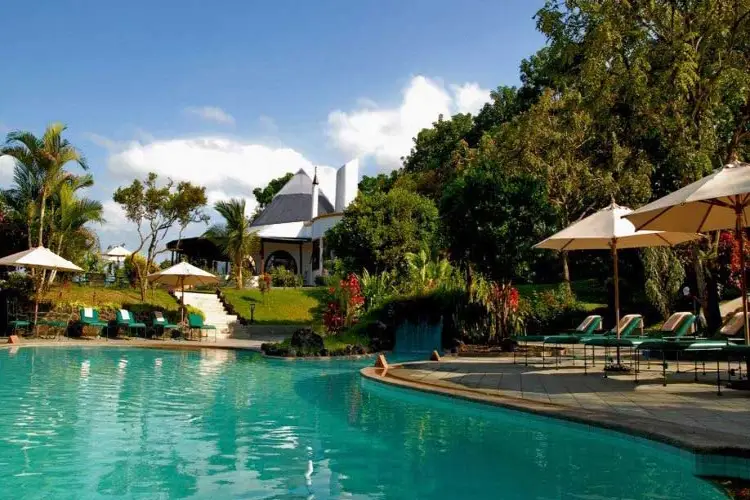
Experience the epitome of comfort and natural beauty in the Galápagos Islands with our selection of special lodges. Nestled amidst the pristine landscapes of this UNESCO World Heritage Site, these exclusive lodges offer a fusion of unparalleled comfort and breathtaking wilderness.
The Galápagos Islands located in the Pacific Ocean at the equator line some 1000 km (620 mi) from mainland Ecuador, a unique ecosystem has been able to develop in isolation with minimal human presence.

Features:

Secluded Paradise: Our amazing lodges are strategically located on private areas or remote corners of inhabited islands, ensuring an exclusive and intimate escape. Five of the Islands are inhabited, but only four of them offer lodge accommodation: Santa Cruz, San Cristobal, Isabela and Floreana.

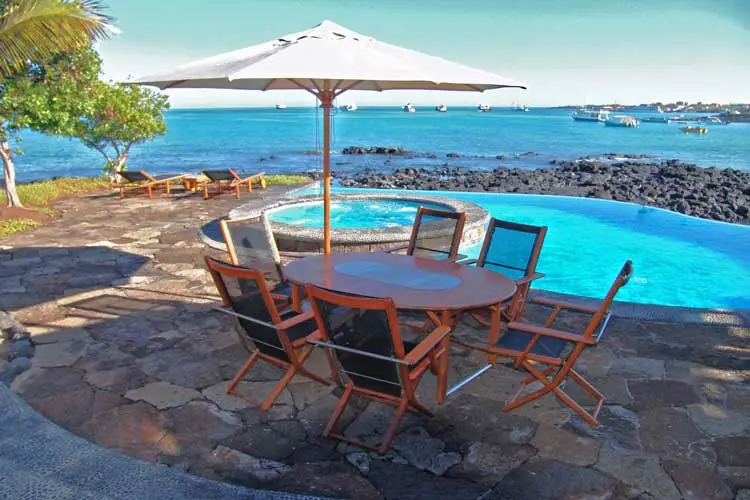
Spectacular Views: Wake up to awe-inspiring vistas of turquoise waters, volcanic landscapes, and unique wildlife right outside your window.

World-Class Amenities: Enjoy lavish amenities, including spacious suites or villas, gourmet dining, spa services, and personalized attention from dedicated staff.

Wildlife Encounters: Immerse yourself in the Galápagos’ incredible biodiversity through guided tours led by naturalist experts, allowing you to witness iconic species up close. Here you can swim with sea lions, float eye-to-eye with a marine turtle, stand next to a blue footed booby feeding its young, watch a giant tortoise in its natural habitat, and try to avoid stepping on iguanas scurrying over the lava.

Water Activities: Snorkeling, scuba diving, kayaking, and yacht excursions are readily available for exploring the underwater wonders of the archipelago.

Conservation Commitment: Many lodges in the Galápagos are deeply committed to environmental preservation, with sustainable practices and educational programs for guests.

Indulge in the ultimate Galápagos experience where luxury meets the untamed beauty of nature. Our lodges provide an exclusive gateway to this natural wonderland, ensuring memories that will last a lifetime.

Please find details for the best value lodges below and feel free to contact us for availabilities in the lodge of your choice.

Lodges in the Galapagos Islands

Galapagos Safari Camp
Galapagos Lodges

Galapagos Safari Camp

Galapagos Safari Camp Galapagos Lodges Classic Safari 5D/4N About Galapagos Safari Camp Nestled in the giant tortoise reserve of Santa Cruz Island, guests at the

Pikaia Lodge
Galapagos Lodges

Pikaia Lodge

Pikaia Lodge Galapagos Lodges 3N/4D 4N/5D 5N/6D 6N/7D 7N/8D About Pikaia Lodge Pikaia Lodge is a new concept in luxury land-based eco-adventure in the Galapagos

Escalesia Lodge
Galapagos Lodges

Scalesia Lodge

Scalesia Lodge Galapagos Lodges Amazing Isabela 3D/2N Amazing Isabela 4D/3N Amazing Isabela 5D/4N About Scalesia Lodge Beautifully designed, Scalesia Lodge recently inagurated on September 2015

Royal Palm Lodge
Galapagos Lodges

Royal Palm

Royal Palm Lodge Galapagos Lodges Galapagos Express 4D/3N Galapagos Explore 5D/4N Galapagos Family 6D/5N About Royal Palm Lodge The Royal Palm is a unique secluded

Here are some frequently asked questions (FAQ) that travels often have before staying at a lodge in the Galapagos Islands:

1. What is the best time to visit the Galápagos Islands for wildlife viewing?

The best time for wildlife viewing in the Galápagos Islands is during the dry and cool season, which typically runs from June to December. During this period, the marine life is particularly active, and you can witness various species, including sea lions, penguins, and marine iguanas, in their natural habitats.

2. Do I need a special permit to visit the Galápagos Islands, and how do I obtain one?

Yes, visitors to the Galápagos Islands need a special permit. This permit is typically included in the price of your flight ticket. To obtain it, you will need to show your identification and pay the Galápagos National Park entrance fee at the airport upon arrival.

3. What is the difference between a lodge on the inhabited islands and one on a private island in the Galápagos?

Lodges on the inhabited islands, like Santa Cruz and San Cristóbal, offer a more convenient base with access to towns, restaurants, and local culture. Lodges on private islands provide a more exclusive experience, often with pristine beaches and direct access to unique wildlife habitats.

4. Are there any specific packing recommendations for a trip to the Galápagos, considering the unique environment and activities?

Pack lightweight, breathable clothing, comfortable walking shoes, sunscreen, a wide-brimmed hat, and a reusable water bottle. Don’t forget your swimsuit, snorkeling gear if you have it, and a waterproof bag for protecting your belongings during water activities.

5. What is the policy for luggage restrictions on flights to the Galápagos Islands?

Luggage restrictions vary by airline, but typically, there are weight and size limits for both checked and carry-on luggage. It’s essential to check with your specific airline for the most up-to-date information.

6. Are vaccinations or health precautions required before traveling to the Galápagos?

No specific vaccinations are required to enter the Galápagos Islands. However, it’s advisable to be up to date on routine vaccinations. Consult your healthcare provider for personalized recommendations.

7. Is it safe to swim and snorkel in the waters around the Galápagos Islands, considering the presence of wildlife like sharks and sea lions?

Yes, it’s generally safe to swim and snorkel in the Galápagos waters. The wildlife is accustomed to human presence and rarely poses a threat. However, it’s essential to follow your guide’s instructions and maintain a respectful distance from animals.

8. Can I arrange guided tours and excursions through the lodge, and what types of activities are typically available?

Yes, lodges in the Galápagos often offer guided tours and excursions. Activities may include snorkeling, hiking, wildlife observation, kayaking, and visits to iconic sites like Charles Darwin Research Station.

9. Are there any restrictions or guidelines for interacting with the wildlife in the Galápagos, such as the famous giant tortoises and blue-footed boobies?

Yes, there are strict guidelines to protect the wildlife. Maintain a minimum distance of at least 2 meters (6 feet) from animals, do not touch them, and avoid disturbing their natural behaviors.

10. What is the policy for responsible and sustainable tourism in the Galápagos, and how can I contribute to conservation efforts during my stay?

The Galápagos National Park Authority promotes sustainable tourism. You can contribute by following park rules, minimizing your environmental impact, and supporting lodges with eco-friendly practices.

11. Do lodges in the Galápagos provide Wi-Fi or cellular service, considering the remote locations?

While some lodges offer Wi-Fi and cellular service, connectivity can be limited in remote areas. Be prepared for intermittent access, and consider it an opportunity to disconnect and enjoy the natural surroundings.

12. What should I do in case of a medical emergency while staying at a lodge in the Galápagos?

Lodges often have protocols for medical emergencies. Contact lodge staff immediately, and they will assist in arranging medical attention, which may involve a transfer to the nearest medical facility.

13. Are there specific dietary options or considerations for meals at the lodge, including accommodations for allergies or dietary restrictions?

Lodges usually accommodate dietary restrictions and allergies. Inform the lodge in advance of your dietary needs, and they will do their best to provide suitable options.

14. How far in advance should I book my lodge accommodation in the Galápagos, especially during peak seasons?

Booking in advance is advisable, especially during peak seasons. Aim to secure your lodge accommodations several months ahead of your planned visit to ensure availability.

15. What is the cancellation policy for lodge reservations, and are there any fees associated with changes or cancellations?

Cancellation policies vary among lodges. Review the specific terms and conditions of your reservation to understand any associated fees and deadlines for changes or cancellations.

Please note that these responses provide general information, and it’s essential to verify details with us for the most accurate and up-to-date information regarding your stay in the Galápagos Islands.

The Enchanted Galapagos Islands

The Galapagos Archipelago is located approximately 1,000 km off the coast of mainland Ecuador.

It consists of 13 major islands, 4 of which are inhabited, and over 200 islets, rocks, or smaller islands.

The Galapagos National Park was established in 1959 and covers 97% of the archipelago’s surface area, with the remaining 3% being the inhabited areas of the 4 populated islands: Santa Cruz, San Cristóbal, Isabela, and Floreana.

The Galapagos Marine Reserve, spanning 138,000 km2, protects the marine ecosystems of the archipelago, allowing only traditional artisanal fishing as an extractive use, in addition to tourism in certain designated visitor sites.

  • Isabela Island: Isabela is the largest island in the Galapagos, formed by six volcanoes merged into one landmass. It offers diverse landscapes including pristine beaches, lava fields, and lush highlands. Wildlife sightings include Galapagos penguins, giant tortoises, marine iguanas, and more. Here you can find lodges like: Chez Manany Galapagos Ecolodge, Scalesia Lodge

  • Santa Cruz Island: Santa Cruz is one of the most populated islands in the Galapagos, hosting the Charles Darwin Research Station where conservation efforts are carried out. It features the highland cloud forest, lava tunnels, and picturesque beaches such as Tortuga Bay. Wildlife highlights include giant tortoises, land iguanas, and various bird species. Here you can find lodges like: Finch Bay Galapagos Lodge, Blu Galapagos Lodge, Galapagos Safari Camp, Pikaia Lodge, Royal Palm

  • San Cristóbal Island: San Cristóbal is one of the first islands visited by Charles Darwin during his voyage on the HMS Beagle. It boasts diverse landscapes ranging from volcanic terrain to pristine beaches. Visitors can explore the Galapaguera de Cerro Colorado to see giant tortoises and visit the Interpretation Center to learn about the islands’ natural history.

  • Fernandina Island: Fernandina is the youngest and most pristine island in the archipelago, characterized by its dramatic volcanic landscapes and unique wildlife. Visitors often witness large colonies of marine iguanas, flightless cormorants, and Galapagos penguins.

  • Floreana Island: Floreana offers a mix of human history and natural beauty, with sites like Post Office Bay where 18th-century whalers left their mail. Visitors can also explore the island’s highlands, snorkel at Devil’s Crown, and observe flamingos in the lagoons.

  • Santiago Island: Santiago features diverse geological formations, including lava flows and volcanic cones. Visitors can hike to Sullivan Bay to witness recent volcanic activity or explore Espumilla Beach and Buccaneer Cove to observe wildlife such as sea lions, marine iguanas, and Galapagos hawks.

  • Baltra Island: Baltra serves as the main gateway to the Galapagos Islands with its airport handling most of the incoming flights. Despite its small size, Baltra is essential for visitors arriving in the archipelago.

  • Genovesa Island: Genovesa, also known as Tower Island, is a haven for birdwatchers due to its large colonies of seabirds including red-footed and Nazca boobies, frigatebirds, and swallow-tailed gulls. Prince Philip’s Steps offer visitors the chance to observe these birds up close.

  • Santa Fe Island: Santa Fe is known for its endemic species such as the Santa Fe land iguana and the Santa Fe rice rat. Visitors can enjoy snorkeling with playful sea lions or hiking along trails to observe the island’s unique flora and fauna.

  • Espanola Island: Espanola is one of the oldest islands in the Galapagos and is renowned for its impressive blowhole, colonies of waved albatrosses, and vibrant marine life. Gardner Bay offers pristine beaches ideal for snorkeling and swimming.

  • Rábida Island: Rábida is famous for its red-sand beaches and unique landscapes. Visitors can observe colonies of sea lions, marine iguanas, and flamingos. Snorkeling in the surrounding waters provides opportunities to encounter colorful reef fish and sea turtles.

  • Bartolomé Island: Bartolomé offers stunning volcanic landscapes, including the iconic Pinnacle Rock. Visitors can climb to the island’s summit for panoramic views of the surrounding scenery or snorkel in clear waters teeming with marine life.

  • North Seymour Island: North Seymour is home to one of the largest populations of blue-footed boobies in the Galapagos, as well as frigatebirds, land iguanas, and sea lions. Visitors can hike along trails to observe the island’s wildlife and rugged terrain.

  • South Plaza Island: South Plaza is known for its colorful flora, including vibrant red sesuvium plants and prickly pear cacti. Visitors can observe land iguanas and seabirds such as swallow-tailed gulls and red-billed tropicbirds against the backdrop of stunning cliffs and coastline.

Start to Plan Your Adventure Today

Entry Requirements


The following information is provided by the Ministries of the Interior and Human Relations for citizens who wish to visit and get to know Ecuador.

Therefore, Responsible travel as a tour operator considers the following guidelines in order to generate a satisfactory experience on your trip through Ecuador. Nevertheless, please note that any requirement can change without prior notice, and it is the responsibility of each traveler to make sure to comply with the current requirements when entering the country.

Visa

The duration to visit the country is 90 days a year; if you are going to extend your visit, it is recommended to pay an extension.

List of countries that need a visa to enter Ecuador:

AfghanistanGuinea BissauRepublic of the Congo
AlbaniaHaitiDemocratic People’s Republic of Korea
Angola KenyaSenegal
BangladeshKyrgyzstanSierra Leone
CameroonIndiaSyria
ChadIraqSri Lanka
Ivory CoastIranSomalia
CubaLibyaSudan
EgyptMaliSouth Sudan
EritreaMauritaniaTajikistan
EthiopiaMyanmarUzbekistan
PhilippinesNigeriaVenezuela
GambiaPakistanVietnam
GhanaNepalYemen
GuineaDemocratic Republic of the Congo 

Applying for a visa

In case of applying for a visa and being able to enter the country. Please contact the following emails: consejeria@cancilleria.gob.ec and citasvisas@cancilleriga.gob.ec.

For more information, there are links to Ecuadorian embassies as well as foreign embassies within the country.

In the case of entering the country by land or river

The Government, through its Ministries, provides that foreign citizens who enter the country through the land or river borders of Colombia and Peru may present their apostilled certificate indicating that they do not have a criminal record; this certificate must have been issued in their country of origin or residence in the last five years.  or in turn request the review of the corresponding information through the Ecuadorian Migration System (SIMIEC).

The following individuals are exempt from filing

  • Holders of a valid Ecuadorean visa
  • Holders of diplomatic passports
  • Children and adolescents under 18
  • Victims of human trafficking.

COVID-19 rules

There is not a COVID certificate needed at the moment, but if you experience symptoms prior to your trip, you can complete a health application and bring it to the airport.

Conditions for passport validity

The passport must be valid for at least half a year. Access is restricted without a valid or reported lost document

 Galapagos Islands

People could visit until 60 days. For enter, you need to present:

Foreign Exchange

When you leave the country, you must declare the foreign exchange if you exceed the aggregate of $1,380.

Personal ID

As a regular law, you must carry your identification. Always keep a copy of your passport, with the pages containing your photo and Ecuadorian entrance stamp.


Output Requirements


Departure of Foreign Citizens

  1. Valid passport
  2. Ticket Flight

Departure of national and foreign minors

Ecuadorian children and adolescents and resident foreigners may leave the national territory under the following conditions:

  • Accompanied by their parents, legal guardians, or whoever exercises parental authority, or with one of their parents with prior notarial or judicial authorization from those who are not traveling with them.
  • Alone or with third parties with the prior authorization of the parents, guardians, or those who exercise parental authority.


lenguage

The native language is Spanish. Some indigenous people speak Spanish, Quechua, and English. The indigenous communities living in the jungle speak their languages and dialects.

At Responsible Travel, we are trained to provide the best experience to the tourist. For this reason, our team of guides is bilingual, as are most of our suppliers (hotels and restaurants).