Encounter with the Cofán and Secoya Communities along the Aguarico River
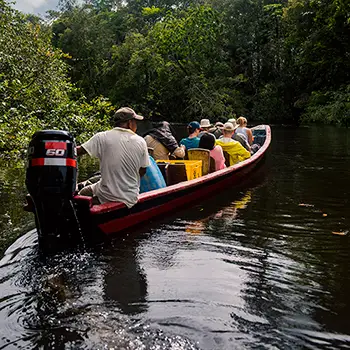
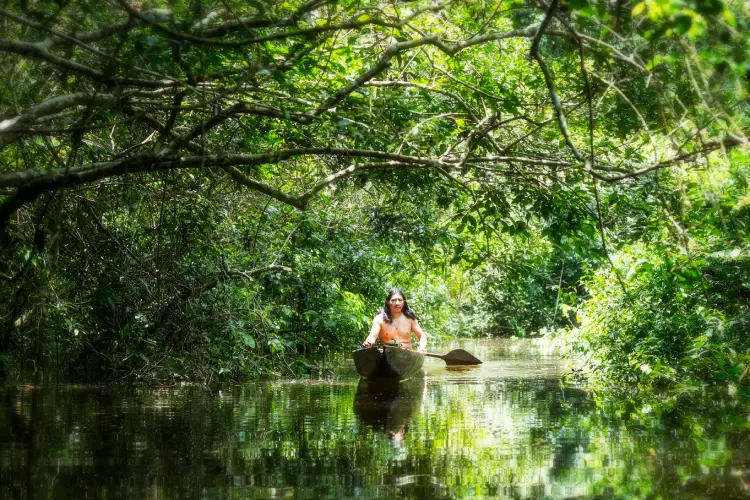
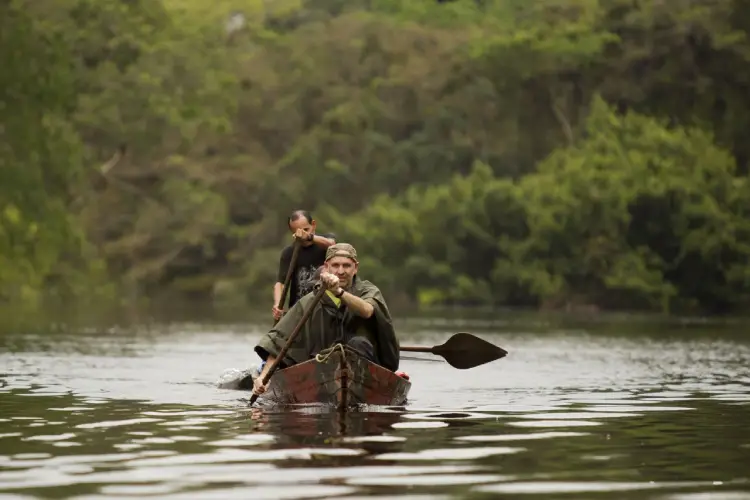
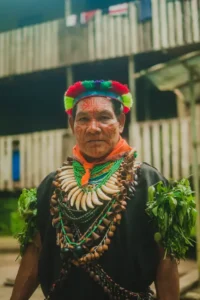 Our tour begins from the city of Coca (flight arrival at 10:10 am) or from Lago Agrio at 8:30 am, driving toward the Aguarico River (Site No. 3), where we will navigate upstream for about 20 minutes to visit Pisuri, a small Cofán community. Here, we will have the opportunity to meet and share time with one of the families living in the territory, learning about their current way of life through a walk around the community and its cassava plantations, while hearing stories about their traditions and why they are also recognized for their canoe-building skills.
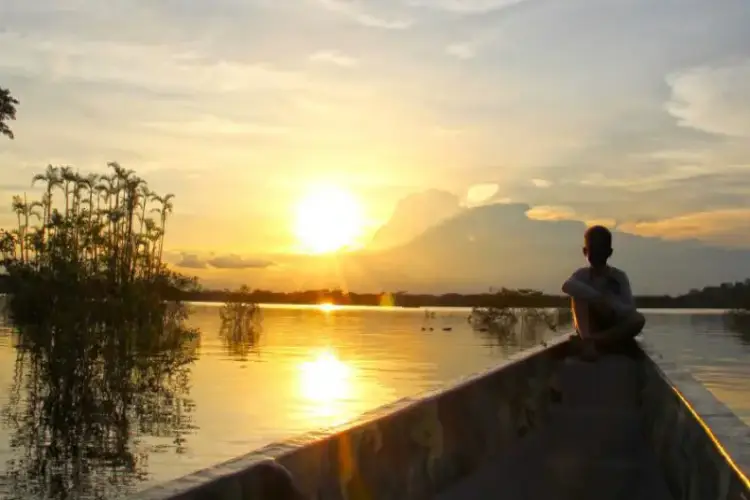
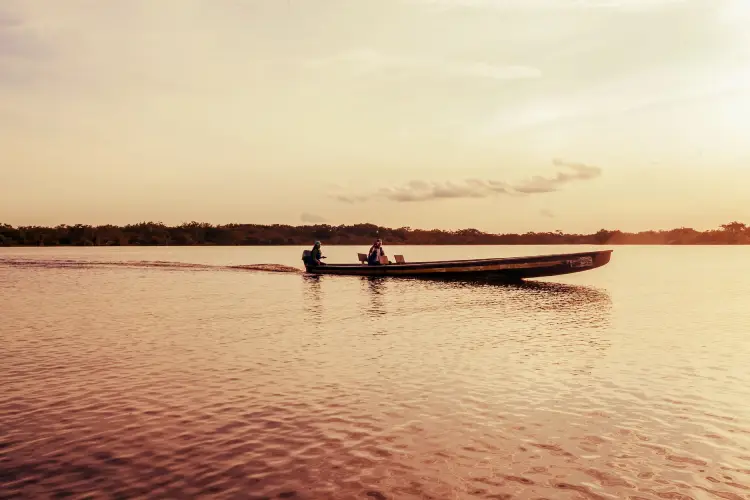
Afterwards, we will return to our private transportation and continue to the town of Tarapoa for lunch. Later, we will travel to the Aguarico River and navigate downstream to Seguaya, a Secoya community. Here, we will meet the Payaguaje family, who will welcome us to set up our camping equipment and spend our first night. After dinner, we will gather with elder members of the Secoya community, who will share their knowledge about their history, customs, traditions, and their native language, “Paicoca.” The origin of this indigenous group is linked to the Aguarico and Napo rivers, and according to their beliefs, they were created by the god Ñañe-Paina. The “Siekopai” or Secoya people were historically known as hunters and gatherers who inhabited the igapó, or blackwater flooded forest, and over time migrated in search of new settlements through cultural exchange with neighboring communities.
Journey Through Shuar and Kichwa Territories
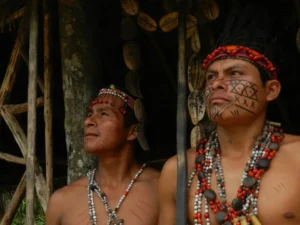 After breakfast, we will say goodbye to the Payaguaje family and continue navigating downstream along the Aguarico River until reaching Teikua, a small Shuar community with only a few members. Here, we will visit the surroundings of the school and the village, offering a great opportunity to learn how this community settled in the area after traveling a long distance from their main territory located in the southern Ecuadorian Amazon.
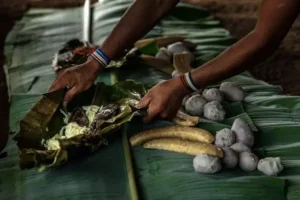
We will then continue along the Aguarico River into Kichwa territory, where we will find their “llactas” or traditional farms along the riverbanks. The Kichwa communities still preserve their customs and native language. We will visit a local farm to observe the daily life of the families and their plantations of cacao, coffee, and tropical fruits. Later, we will share a traditional Kichwa meal called “Maito,” fish wrapped in plantain leaves, while tasting fresh tropical fruits. In the afternoon, we will continue downstream to the confluence of the Cuyabeno and Aguarico rivers, where we will stop to admire the impressive meeting of blackwater and whitewater rivers, an excellent opportunity to spot pink river dolphins. By late afternoon, we will arrive at Balata Camp, managed by the Balata Yacu tourism project, where we will set up our tents. After dinner, we will enjoy a night walk to discover more about the fascinating nocturnal life of the rainforest.
Zábalo Cofán Community
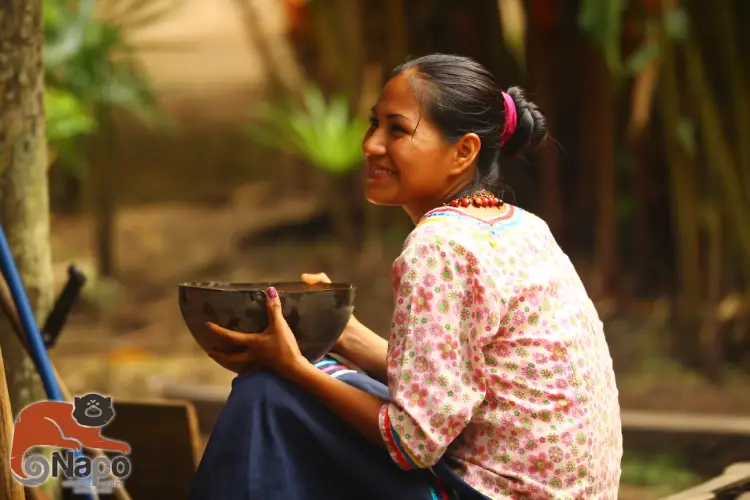
 Early in the morning, we will visit a parakeet clay lick, where colorful parrots and parakeets gather in search of mineral-rich soil. After breakfast, we will navigate downstream along the Aguarico River to reach Zábalo, another Cofán community located approximately one and a half hours from our camp. Here, community members will introduce us to their culture while we admire the beautiful handicrafts made by the women of the community.
The Cofán people speak “A’ingae,” a unique indigenous language that remains alive in most Cofán communities. Interestingly, it is primarily a spoken language rather than a written one. Their relationship with nature is deeply harmonious; they are known as the people of yagé, the sacred medicinal plant, and are recognized as protectors and guardians of the rainforest. There will be free time to purchase local handicrafts and support the community’s economy. After enjoying a box lunch, we will return to our Kichwa camp in the afternoon. Later, we will take a jungle walk with our guide to learn more about the rainforest flora and medicinal plants before dinner.
Shamanic Traditions and Journey Through Siona Territory
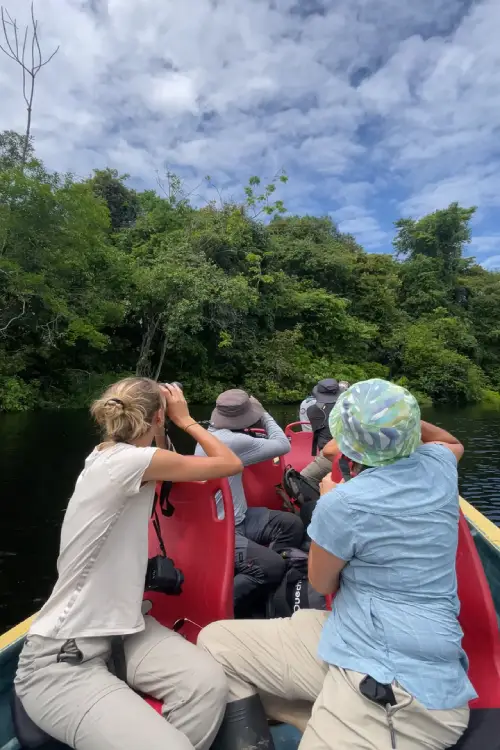
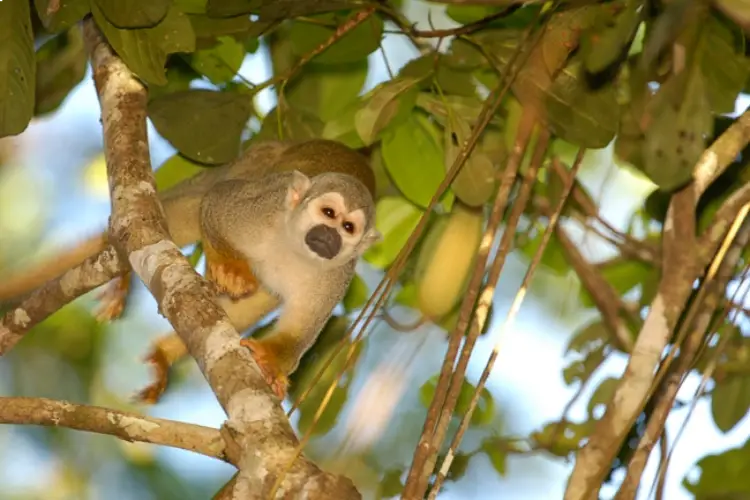
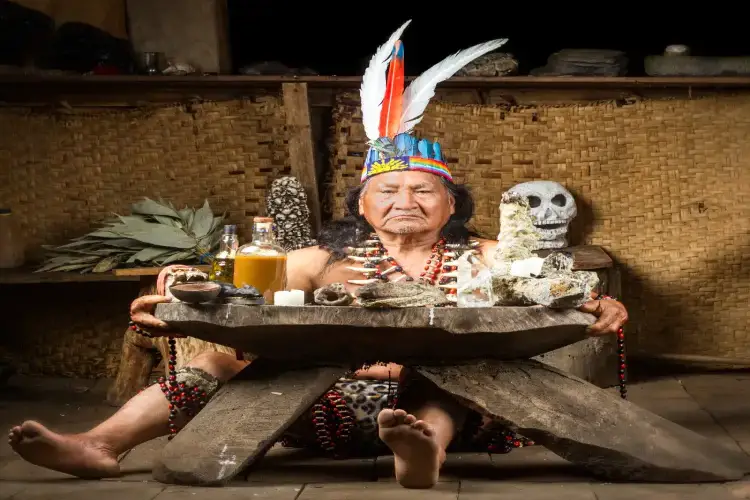
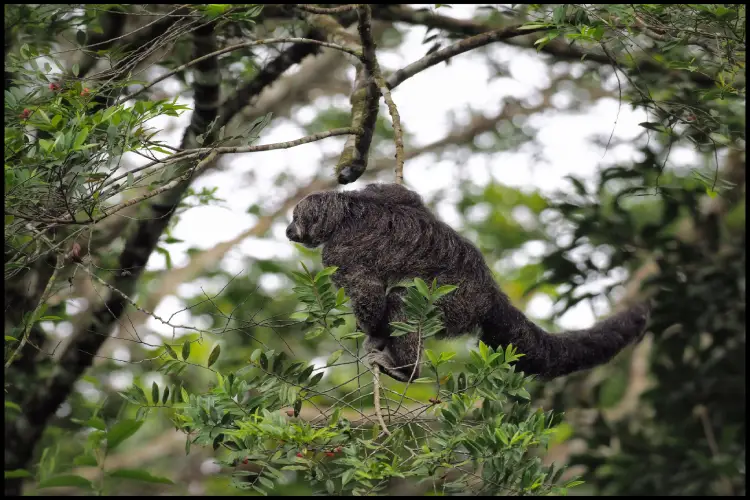
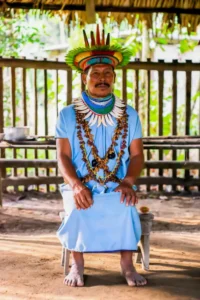 After an early breakfast, we will visit the Kichwa community’s birdwatching tower, built around a giant ceibo tree. Later, we will continue navigating upstream along the Cuyabeno River, observing different species of birds and monkeys along the way. After approximately 2½ hours, we will arrive at the home of Don Delio, located within Siona territory, where we will share stories and knowledge about shamanism in what promises to be a fascinating cultural experience.
Shamans are considered the guardians of ancestral wisdom in the Amazon, acting as intermediaries between the physical and spiritual worlds. Traditionally, each Amazonian tribe had a shaman chosen for their exceptional powers and deep ancestral knowledge, which enabled them to prepare “ayahuasca,” a sacred ceremonial drink used to connect with the spirit world and practice traditional natural medicine within their communities.
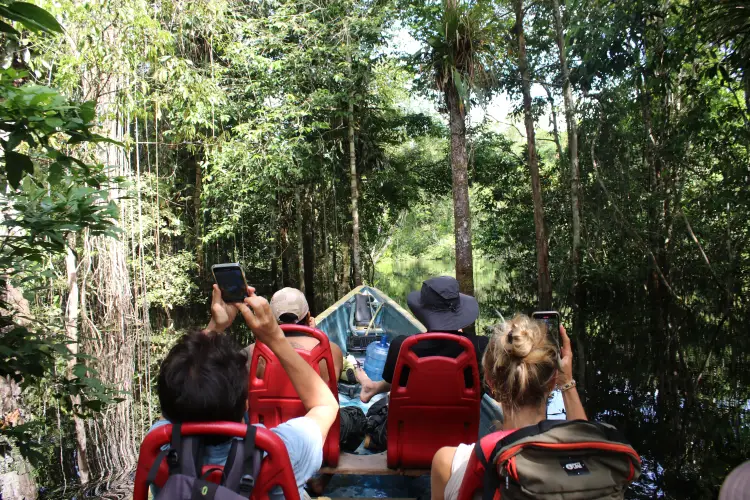
Later, we will continue upstream along the Cuyabeno River until reaching our Lodge. After dinner, we will enjoy a night walk to learn more about the rainforest’s nocturnal life, including insects, frogs, snakes, and the fascinating sounds of the jungle after dark.
Siona Community of Seoqueya
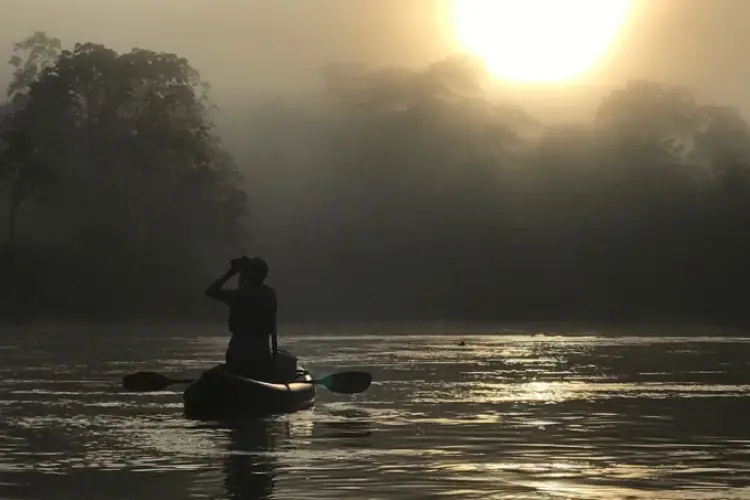
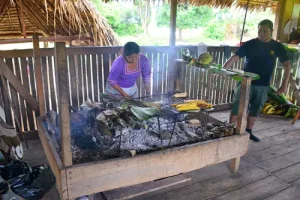 Early in the morning, we will navigate along the river to enjoy the awakening of the rainforest and search for wildlife. After breakfast, we will visit a small Siona community where we will meet a local family who will demonstrate the preparation of casabe, the traditional bread of the region. We will also learn about the customs and traditions of their culture, both past and present. Lunch will be provided during the excursion.
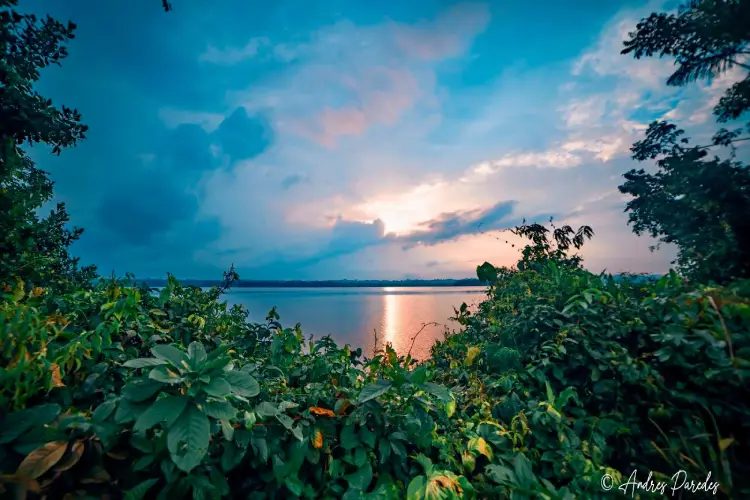
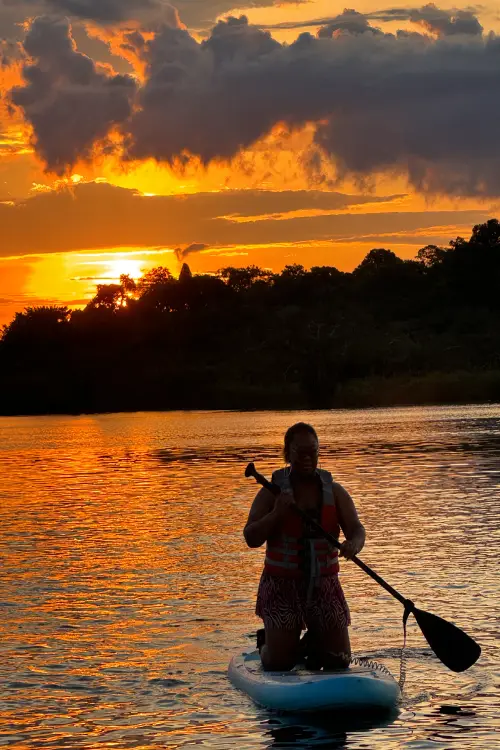
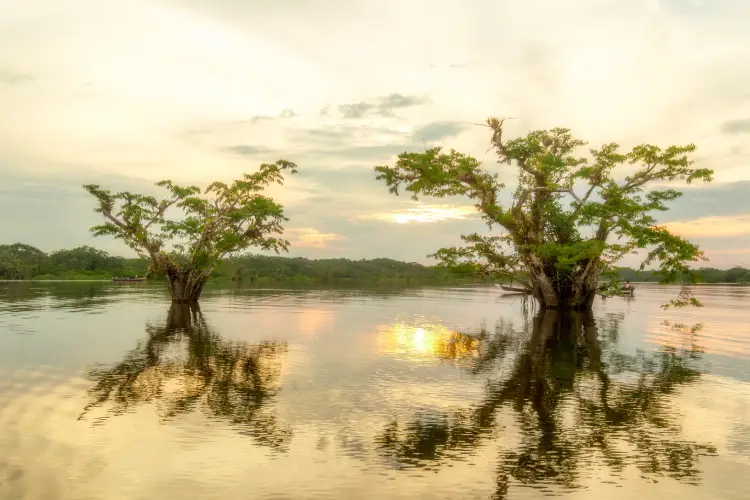
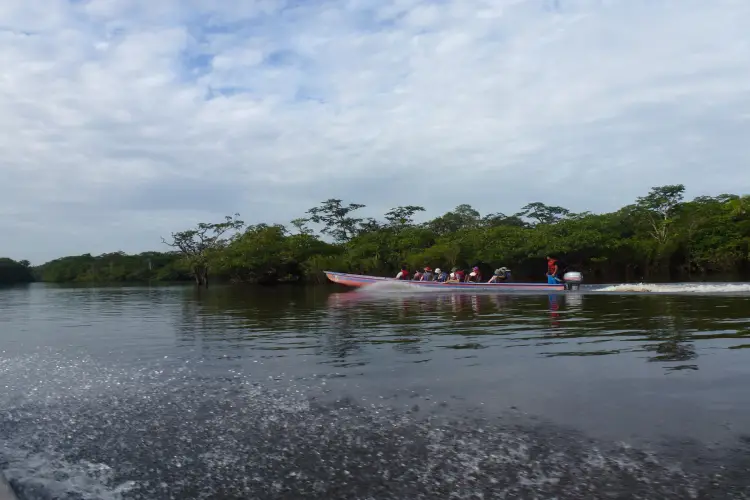
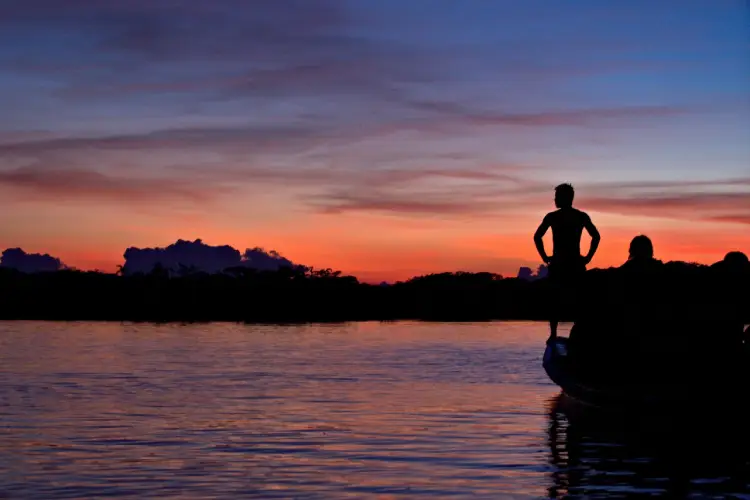
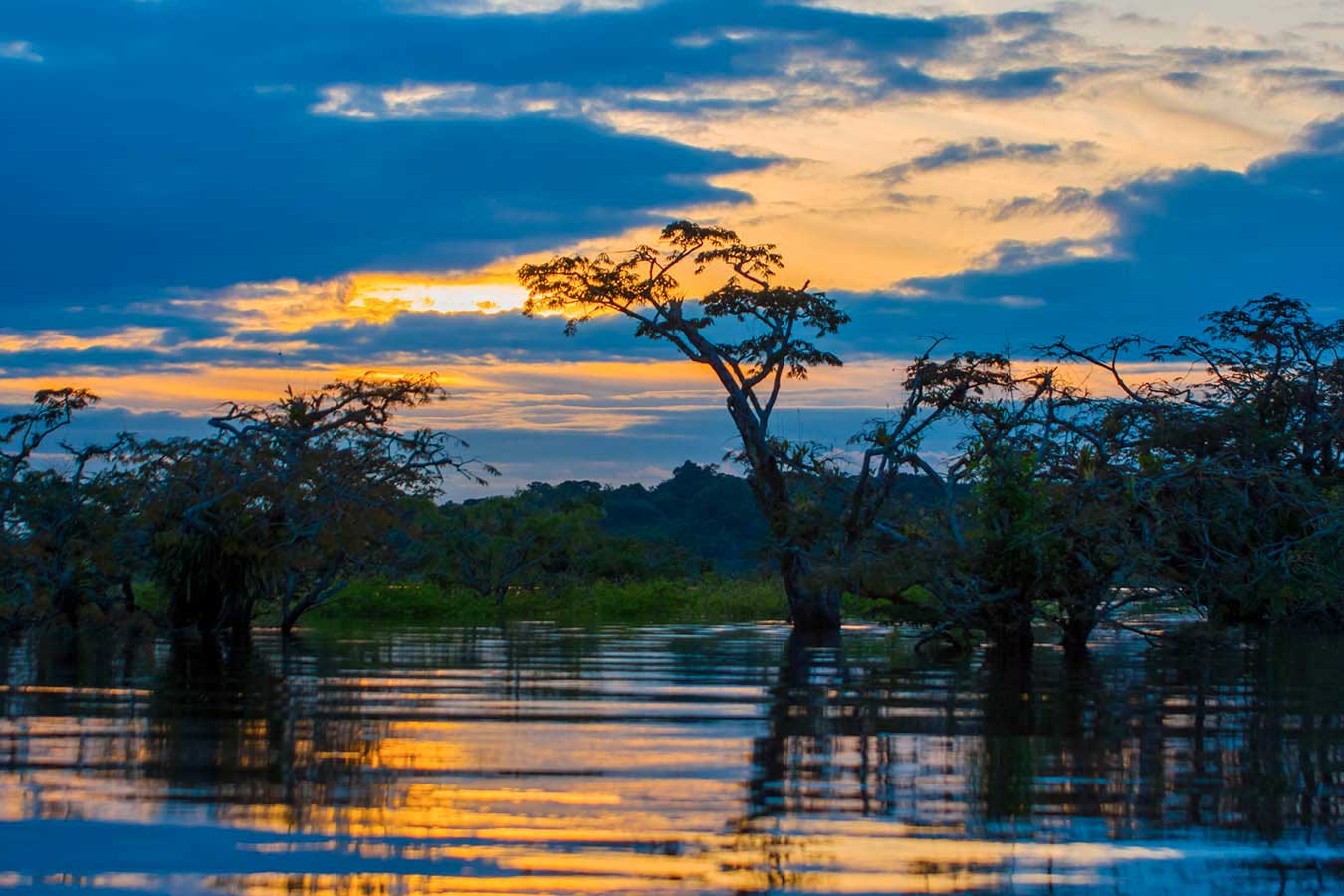
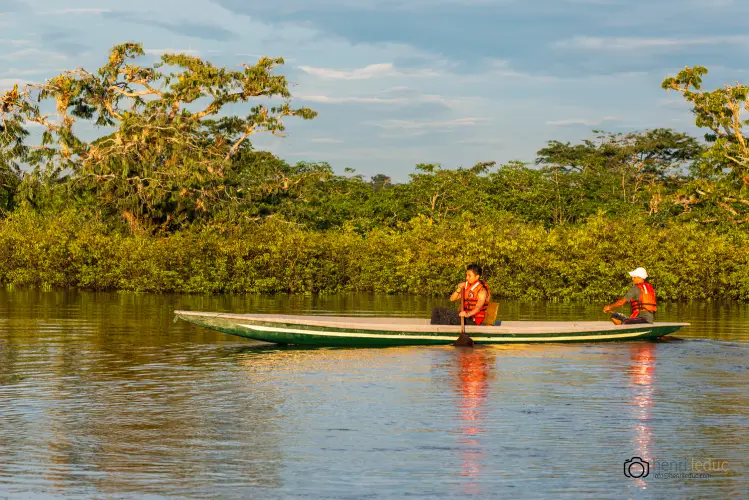
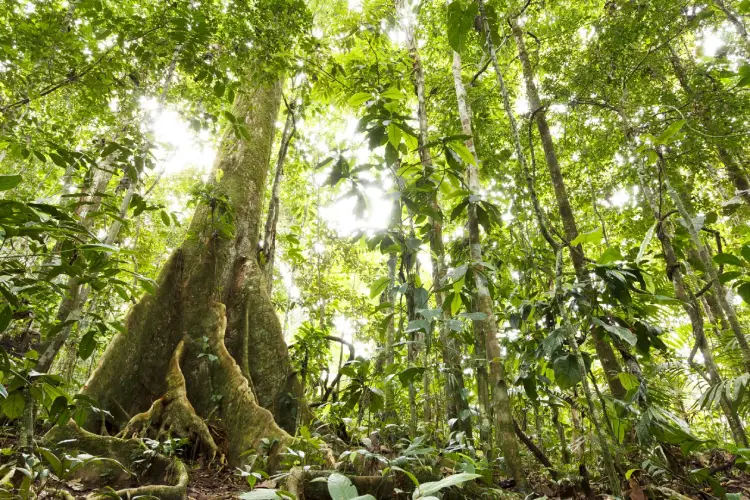
In the afternoon, we will travel upstream by motorized canoe to reach the Great Lagoon. As we explore the lagoon, we will learn about the Igapó ecosystem, a flooded forest dominated by giant macrolobium trees that provide habitat for epiphytes and various bird species such as cormorants. After exploring the lagoon, we will have the opportunity to swim in its calm waters while admiring the spectacular Amazon sunset. Later, we will continue our adventure observing nocturnal wildlife along the river landscape, including bat species and searching for caimans before returning to the lodge for dinner.
Farewell to the Amazon Rainforest
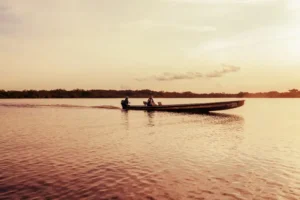 The morning excursion includes a short canoe ride, taking advantage of the early hours of the day to observe wildlife during their morning activities and say goodbye to the rainforest while keeping unforgettable memories and photographs of this spectacular place. After breakfast at the lodge, there will be time to pack and prepare for the return journey departing at 8:30 am.
The trip will take us upstream back toward civilization, arriving at the Cuyabeno Bridge around 10:30 am. For travelers returning by bus, we will coordinate the connection with the tourist bus back to Quito. For those flying, transportation will be provided to Coca, where you will spend the night independently before taking your flight the following morning at 10:00 am.