Ecuadorian Amazon Jungle

Yasuní National Park

Yasuni National Park – A Complete Guide

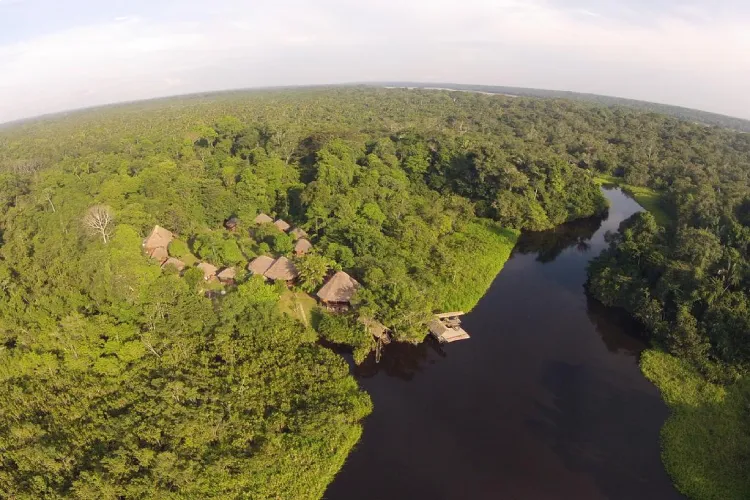
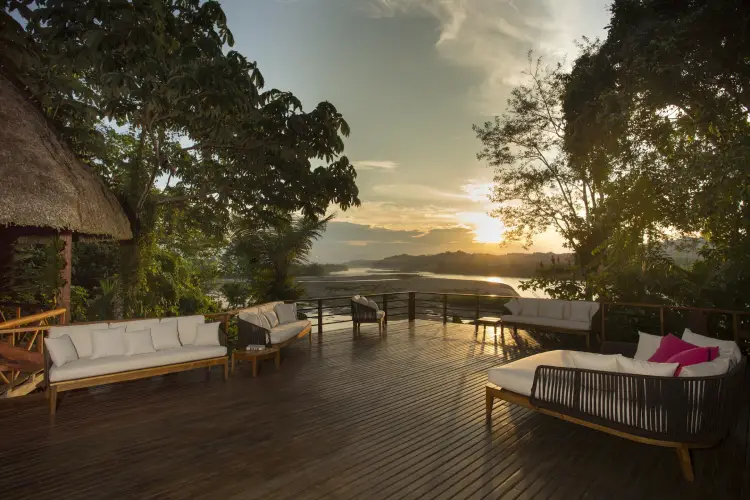
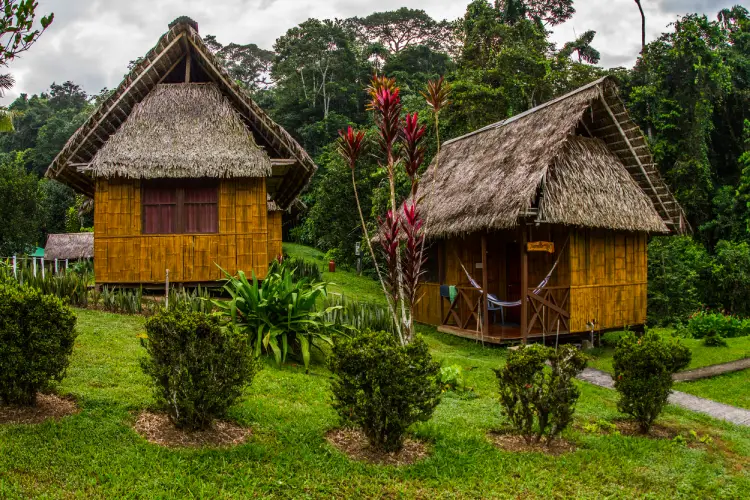
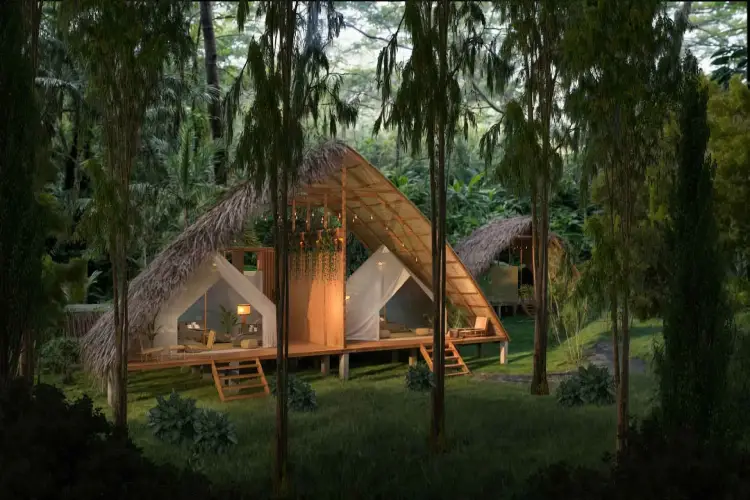
Along the lower Rio Napo are nature reserves, mission towns, and the immense Yasuni National Park. From small, comfortable lodges you can start your exploration of this river country, with the Tiputini, Nashiño, Cononaco, Yasuni, and other tributaries coursing through the park’s enormous expanse. Explore the major habitats of dry land as well as sometimes- and always-flooded land and watch out for the natural habitants of many different species with the help of local guides.

Yasuní National Park is a UNESCO World Heritage Site located in the Amazon rainforest of Ecuador. It is home to an incredible diversity of wildlife, including boa constrictors, alligators, jaguars, parrots, toucans, piranhas, monkeys, and sloths are just a few of the animals that you will find in Yasuni.

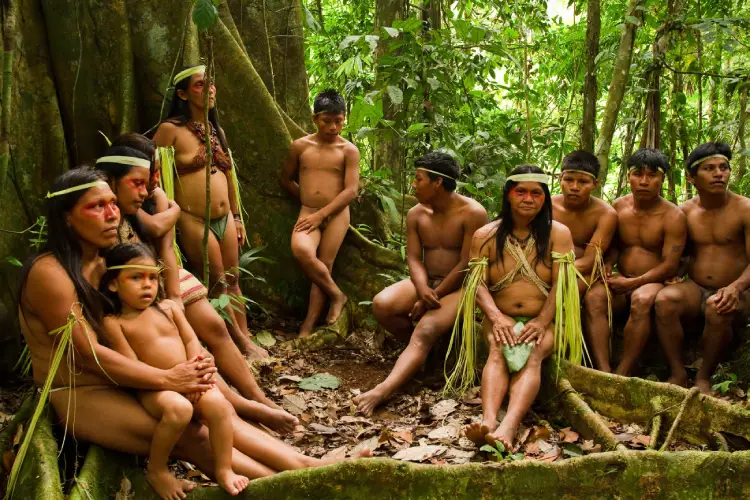
Huaorani tribe in the amazon rainforest, Yasuni National Park, Ecuador

Huaorani tribe in the amazon rainforest, Yasuní National Park, Ecuador

Key points about Yasuni National Park:

  • Biodiversity: Yasuni is considered one of the most biodiverse places on Earth. It boasts an incredible variety of flora and fauna, including many species that are rare or endangered. It’s estimated that Yasuni is home to around 150 amphibian and reptile species, over 600 bird species, and numerous mammal species.

  • Indigenous People: The park is also home to several indigenous communities, including the Waorani, Tagaeri, and Taromenane. These indigenous groups have inhabited the region for thousands of years and continue to rely on its resources for their livelihoods.

  • Tourism: Despite its remote location, Yasuni attracts eco-tourists from around the world who come to explore its pristine rainforest, observe its wildlife, and learn about its indigenous cultures. Guided tours, birdwatching excursions, and jungle treks are popular activities for visitors.

Yasuni National Park stands as a symbol of the importance of preserving the world’s most biodiverse ecosystems and the challenges faced in balancing conservation with economic development.

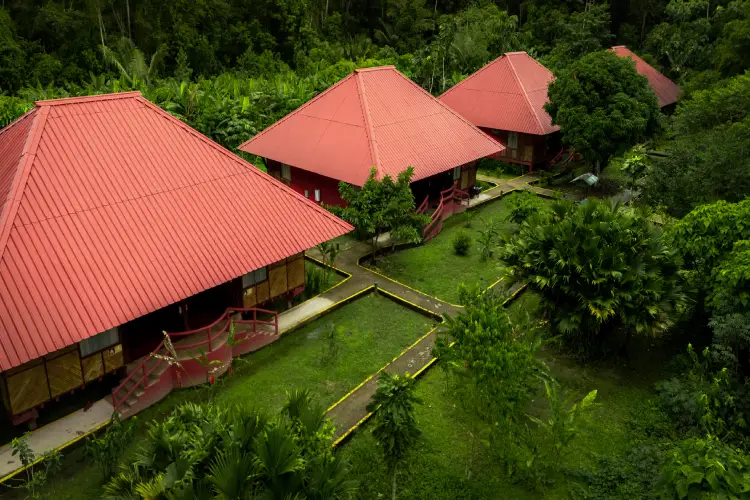
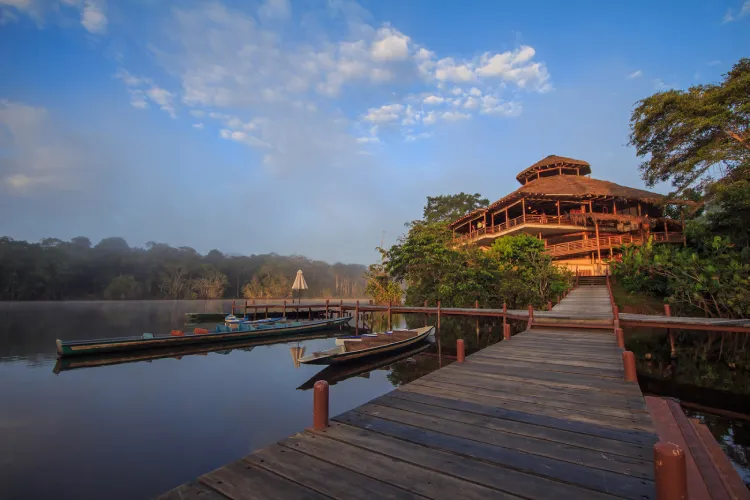
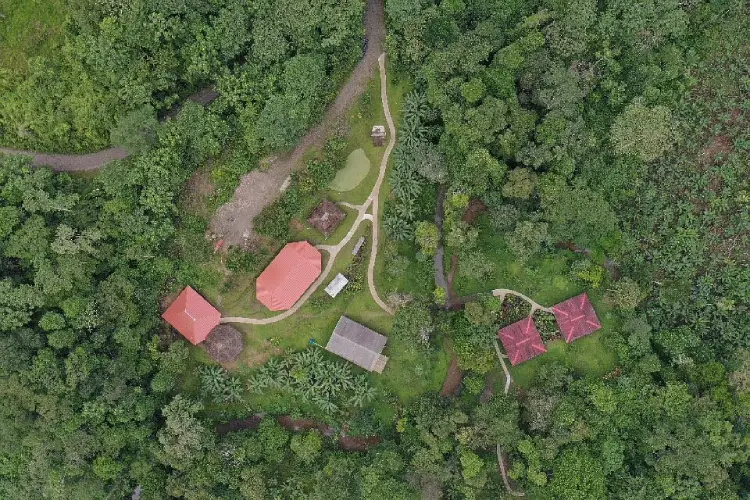
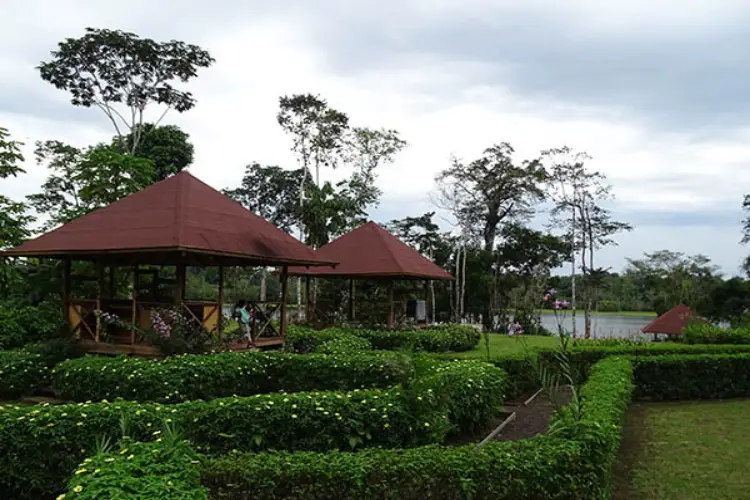
Lodges in the Yasuni National Park

The best things to do in Yasuni National Park

  • Go birdwatching. Yasuní is home to more than 600 species of birds, including the harpy eagle, toucans, and macaws. You can go birdwatching from a boat, from a tower, or on a guided hike.

  • See the wildlife. Yasuní is also home to a wide variety of other animals, including jaguars, monkeys, snakes, and caimans. You can see wildlife from a boat, on a guided hike, or at a wildlife refuge.

  • Learn about the culture of the indigenous people. Yasuní is home to several indigenous groups, including the Huaorani and the Kichwa. You can learn about their culture by visiting a community or by taking a guided tour.

  • Explore the rainforest. Yasuní is a vast and beautiful rainforest. You can explore it by taking a guided hike or by going on a canoe trip.

  • Visit the Collpa de Loro. The Collpa de Loro is a large clay lick where parrots come to feed. It is a great place to see a variety of parrots, including macaws, toucans, and parrotlets.

  • Go fishing. Yasuní is home to a variety of fish, including piranhas, catfish, and tilapia. You can go fishing from a boat or from a shore.

  • Take a night hike. A night hike is a great way to see nocturnal animals, such as caimans, ocelots, and bats.

  • Visit the Yasuní Research Station. The Yasuní Research Station is a research facility that studies the rainforest. You can learn about the research that is being done at the station and see some of the animals that have been studied.


No matter what your interests are, you are sure to find something to do in Yasuní National Park. It is a truly unique and unforgettable place to visit

Frequently asked questions (FAQs) about Yasuni National Park

When is the best time to go to Yasuní?

The best time to go to Yasuní is during the dry season, which is from June to December. During this time, the weather is less humid and there is less rain, making it easier to explore the rainforest.

How long should I stay in Yasuní?

The amount of time you should stay in Yasuní depends on your interests and budget. If you are interested in seeing a variety of wildlife, you should plan to stay for at least three days. If you are also interested in learning about the indigenous culture, you should plan to stay for at least five days.

What kind of activities can I do in Yasuní?

There are a variety of activities that you can do in Yasuní, including:

  • Birdwatching

  • Wildlife viewing

  • Indigenous culture tours

  • Hiking

  • Canoeing

  • Fishing

What is the cost of a trip to Yasuní?

The cost of a trip to Yasuní varies depending on the length of your stay, the type of activities you want to do, and the level of comfort you are looking for. In general, you can expect to pay between $500 and $2,000 per person for a three-day trip.

What is the best way to get to Yasuní?

The best way to get to Yasuní is to fly into the town of Coca, which is located on the edge of the rainforest. From Coca, you can take a boat or a bus to the park entrance.

What should I pack for my trip to Yasuní?

Here are some things you should pack for your trip to Yasuní:

  • Comfortable shoes

  • Long-sleeved shirts and pants

  • Hat

  • Sunglasses

  • Sunscreen

  • Bug spray

  • Water bottle

  • Camera

What should I be aware of when visiting Yasuní?

Here are some things you should be aware of when visiting Yasuní:

  • The rainforest is a humid and hot environment.
  • There are a variety of insects and animals in the rainforest, some of which can be dangerous.
  • It is important to be respectful of the indigenous culture.

Entry Requirements


The following information is provided by the Ministries of the Interior and Human Relations for citizens who wish to visit and get to know Ecuador.

Therefore, Responsible travel as a tour operator considers the following guidelines in order to generate a satisfactory experience on your trip through Ecuador. Nevertheless, please note that any requirement can change without prior notice, and it is the responsibility of each traveler to make sure to comply with the current requirements when entering the country.

Visa

The duration to visit the country is 90 days a year; if you are going to extend your visit, it is recommended to pay an extension.

List of countries that need a visa to enter Ecuador:

AfghanistanGuinea BissauRepublic of the Congo
AlbaniaHaitiDemocratic People’s Republic of Korea
Angola KenyaSenegal
BangladeshKyrgyzstanSierra Leone
CameroonIndiaSyria
ChadIraqSri Lanka
Ivory CoastIranSomalia
CubaLibyaSudan
EgyptMaliSouth Sudan
EritreaMauritaniaTajikistan
EthiopiaMyanmarUzbekistan
PhilippinesNigeriaVenezuela
GambiaPakistanVietnam
GhanaNepalYemen
GuineaDemocratic Republic of the Congo 

Applying for a visa

In case of applying for a visa and being able to enter the country. Please contact the following emails: consejeria@cancilleria.gob.ec and citasvisas@cancilleriga.gob.ec.

For more information, there are links to Ecuadorian embassies as well as foreign embassies within the country.

In the case of entering the country by land or river

The Government, through its Ministries, provides that foreign citizens who enter the country through the land or river borders of Colombia and Peru may present their apostilled certificate indicating that they do not have a criminal record; this certificate must have been issued in their country of origin or residence in the last five years.  or in turn request the review of the corresponding information through the Ecuadorian Migration System (SIMIEC).

The following individuals are exempt from filing

  • Holders of a valid Ecuadorean visa
  • Holders of diplomatic passports
  • Children and adolescents under 18
  • Victims of human trafficking.

COVID-19 rules

There is not a COVID certificate needed at the moment, but if you experience symptoms prior to your trip, you can complete a health application and bring it to the airport.

Conditions for passport validity

The passport must be valid for at least half a year. Access is restricted without a valid or reported lost document

 Galapagos Islands

People could visit until 60 days. For enter, you need to present:

Foreign Exchange

When you leave the country, you must declare the foreign exchange if you exceed the aggregate of $1,380.

Personal ID

As a regular law, you must carry your identification. Always keep a copy of your passport, with the pages containing your photo and Ecuadorian entrance stamp.


Output Requirements


Departure of Foreign Citizens

  1. Valid passport
  2. Ticket Flight

Departure of national and foreign minors

Ecuadorian children and adolescents and resident foreigners may leave the national territory under the following conditions:

  • Accompanied by their parents, legal guardians, or whoever exercises parental authority, or with one of their parents with prior notarial or judicial authorization from those who are not traveling with them.
  • Alone or with third parties with the prior authorization of the parents, guardians, or those who exercise parental authority.


lenguage

The native language is Spanish. Some indigenous people speak Spanish, Quechua, and English. The indigenous communities living in the jungle speak their languages and dialects.

At Responsible Travel, we are trained to provide the best experience to the tourist. For this reason, our team of guides is bilingual, as are most of our suppliers (hotels and restaurants).