Ecuador's Cloud Forest

Discover Ecuador's Top Birding Lodges

A Paradise for Nature Enthusiasts

Birding lodges are accommodations specifically designed to cater to birdwatchers and wildlife enthusiasts. They are strategically located in or near prime birdwatching areas, providing comfortable amenities and often offering guided birding tours.

Location: Birding lodges are typically situated in regions known for their rich avian diversity. These locations can vary widely and may include rainforests, wetlands, mountains, coastlines, and more. Choosing a lodge in a specific habitat will allow you to target particular bird species.

Amenities: Birding lodges offer a range of amenities to make your stay comfortable. While the level of luxury can vary, you can expect basics like comfortable beds, private bathrooms, and dining facilities. Some lodges may also offer more luxurious features such as spa services, swimming pools, and gourmet dining.

Expert Guides: Many birding lodges provide expert guides who are well-versed in the local bird species and their behaviors. These guides lead birdwatching excursions, helping guests spot and identify birds they might otherwise miss.

Birding Infrastructure: Birding lodges often have infrastructure designed specifically for birdwatchers, including observation decks, blinds, and feeding stations. These features provide excellent opportunities for observing and photographing birds.

Educational Programs: Some lodges offer educational programs or workshops on bird identification, bird behavior, and wildlife conservation. These can be especially beneficial for novice birdwatchers or those interested in learning more about the local ecology.

Flexible Schedules: Lodges typically offer flexible schedules to accommodate the early morning and late afternoon birdwatching when many species are most active. You can often choose between half-day or full-day birding excursions.

Catering to Various Skill Levels: Birding lodges are suitable for birdwatchers of all skill levels, from beginners to experienced enthusiasts. Guides can adapt their tours to the expertise of their guests, ensuring a satisfying experience for everyone.

Conservation Initiatives: Many birding lodges are actively involved in conservation efforts. They may support local conservation projects, promote sustainable tourism practices, and operate in an environmentally responsible manner.

Community Involvement: Some birding lodges work closely with local communities, employing local residents and contributing to the local economy. This can lead to a more authentic and immersive experience for guests.

Advance Reservations: Due to their popularity, especially during peak birdwatching seasons, it’s advisable to make reservations at birding lodges well in advance to secure your preferred dates.

Equipment Rental: Some lodges offer equipment rental services, including binoculars and spotting scopes, making it convenient for travelers who may not have their own gear.

Birding Packages: Many birding lodges offer packages that include accommodation, meals, guided tours, and sometimes transportation to and from nearby birding sites. These packages can help streamline your birdwatching trip.

When choosing a birding lodge, consider your target bird species, the location’s accessibility, your budget, and the level of comfort and amenities you desire. Here’s some information about birding lodges that best suits your birdwatching preferences and travel needs.

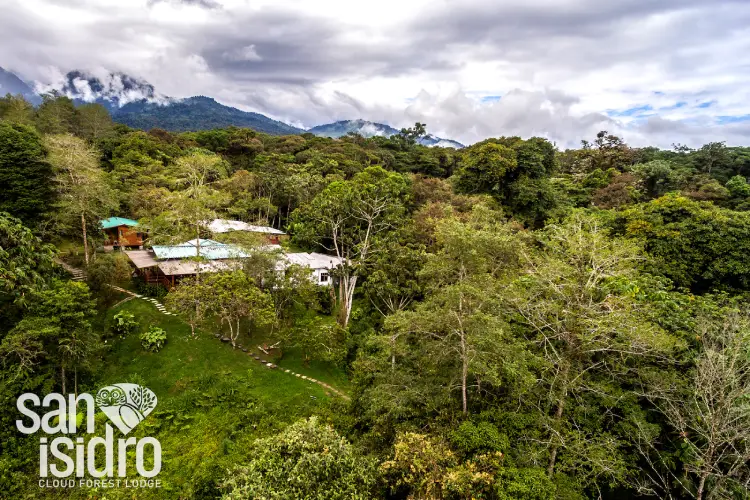
San Isidro Lodge
Birding Lodges

San Isidro Lodge

San Isidro Lodge Birding Lodge Full Birding Tour 5D/4N Full Birding Tour 4D/3N Full Birding Tour 3D/2N General Interest Tour 4D/3N General Interest Tour 3D/2N

Tandayapa Bird Lodge
Birding Lodges

Tandayapa Bird Lodge

Tandayapa Bird Lodge Birding Lodge Birding Tour 5D/4N Birding Tour 4D/3N Birding Tour 3D/2N Birding Tour 2D/1N About Tandayapa Bird Lodge Tandayapa Bird Lodge is

Bellavista Cloud Forest Lodge & Reserve
Birding Lodges

Bellavista Cloud Forest Lodge & Reserve

Bellavista Cloud Forest Lodge Birding Lodge Tour Cock of the Rock 3D/2N Tour Cock of the Rock 2D/1N About Bellavista Cloud Forest Lodge Bellavista offers

Guango Lodge
Birding Lodges

Guango Lodge

Guango Lodge Birding Lodge Full Birding Tour 3D/2N Full Birding Tour 2D/1N General Interest Tour 3D/2N General Interest Tour 2D/1N About Guango Lodge Guango Lodge,

Here are some frequently asked questions (FAQs) about birding in Ecuador:

  1. Why is Ecuador a popular destination for birdwatching?

    • Ecuador is renowned for its incredible biodiversity and diverse ecosystems, making it a birdwatching paradise. It boasts over 1,600 bird species, including many rare and endemic ones.
  2. When is the best time for birdwatching in Ecuador?

    • Birdwatching can be excellent year-round in Ecuador. However, the best time is often during the dry season, which typically runs from June to September and December to January. During this period, many species are active and easier to spot.
  3. Where are the best birdwatching locations in Ecuador?

    • Ecuador has numerous birdwatching hotspots, including the Amazon rainforest, the Galápagos Islands, the Andes Mountains, and the cloud forests of Mindo and Tandayapa. Each region offers unique birding experiences.
  4. What are some of the must-see bird species in Ecuador?

    • Some iconic bird species to look out for include the Andean Condor, Sword-billed Hummingbird, Toucan Barbet, Andean Cock-of-the-Rock, and hundreds of colorful tanagers, parrots, and toucans.
  5. Do I need a guide for birdwatching in Ecuador?

    • While some experienced birdwatchers may navigate Ecuador on their own, hiring a local guide is highly recommended. They possess extensive knowledge of the local bird species and their habits, greatly increasing your chances of spotting rare and elusive birds.
  1. Are there birding tours available in Ecuador?

    • Yes, there are bird watching tour in Ecuador offer by Responsible Travel located to different regions and skill levels. These tours often provide transportation, lodging, and expert guides
  2. What equipment should I bring for birdwatching in Ecuador?

    • Essential equipment includes binoculars, a field guidebook specific to Ecuador, a spotting scope (optional but helpful for distant birds), sturdy hiking boots, lightweight clothing for varying climates, and a camera with a telephoto lens if you want to capture bird photos.
  3. Is it safe to travel for birdwatching in Ecuador?

    • Ecuador is generally considered safe for tourists, but it’s advisable to check the latest travel advisories and follow local guidelines. Some regions may require extra precautions, so consult with your tour operator or guide.
  4. What other wildlife can I see while birdwatching in Ecuador?

    • Besides birds, Ecuador is home to diverse wildlife, including mammals like monkeys, jaguars, and tapirs, as well as reptiles, amphibians, and a wide array of insects and butterflies.
  5. Are there any conservation efforts related to birdwatching in Ecuador?

    • Yes, there are several conservation organizations and initiatives in Ecuador aimed at preserving the country’s rich biodiversity, including its bird species. Supporting these efforts through ecotourism can help protect the environment and the birds.
Remember to respect the environment and the birds you encounter while birdwatching in Ecuador by following ethical birding practices, such as staying on designated trails, keeping a respectful distance from wildlife, and refraining from using playback calls excessively. Enjoy your birding adventure in this beautiful country!

Start to Plan Your Adventure Today !

Entry Requirements


The following information is provided by the Ministries of the Interior and Human Relations for citizens who wish to visit and get to know Ecuador.

Therefore, Responsible travel as a tour operator considers the following guidelines in order to generate a satisfactory experience on your trip through Ecuador. Nevertheless, please note that any requirement can change without prior notice, and it is the responsibility of each traveler to make sure to comply with the current requirements when entering the country.

Visa

The duration to visit the country is 90 days a year; if you are going to extend your visit, it is recommended to pay an extension.

List of countries that need a visa to enter Ecuador:

AfghanistanGuinea BissauRepublic of the Congo
AlbaniaHaitiDemocratic People’s Republic of Korea
Angola KenyaSenegal
BangladeshKyrgyzstanSierra Leone
CameroonIndiaSyria
ChadIraqSri Lanka
Ivory CoastIranSomalia
CubaLibyaSudan
EgyptMaliSouth Sudan
EritreaMauritaniaTajikistan
EthiopiaMyanmarUzbekistan
PhilippinesNigeriaVenezuela
GambiaPakistanVietnam
GhanaNepalYemen
GuineaDemocratic Republic of the Congo 

Applying for a visa

In case of applying for a visa and being able to enter the country. Please contact the following emails: consejeria@cancilleria.gob.ec and citasvisas@cancilleriga.gob.ec.

For more information, there are links to Ecuadorian embassies as well as foreign embassies within the country.

In the case of entering the country by land or river

The Government, through its Ministries, provides that foreign citizens who enter the country through the land or river borders of Colombia and Peru may present their apostilled certificate indicating that they do not have a criminal record; this certificate must have been issued in their country of origin or residence in the last five years.  or in turn request the review of the corresponding information through the Ecuadorian Migration System (SIMIEC).

The following individuals are exempt from filing

  • Holders of a valid Ecuadorean visa
  • Holders of diplomatic passports
  • Children and adolescents under 18
  • Victims of human trafficking.

COVID-19 rules

There is not a COVID certificate needed at the moment, but if you experience symptoms prior to your trip, you can complete a health application and bring it to the airport.

Conditions for passport validity

The passport must be valid for at least half a year. Access is restricted without a valid or reported lost document

 Galapagos Islands

People could visit until 60 days. For enter, you need to present:

Foreign Exchange

When you leave the country, you must declare the foreign exchange if you exceed the aggregate of $1,380.

Personal ID

As a regular law, you must carry your identification. Always keep a copy of your passport, with the pages containing your photo and Ecuadorian entrance stamp.


Output Requirements


Departure of Foreign Citizens

  1. Valid passport
  2. Ticket Flight

Departure of national and foreign minors

Ecuadorian children and adolescents and resident foreigners may leave the national territory under the following conditions:

  • Accompanied by their parents, legal guardians, or whoever exercises parental authority, or with one of their parents with prior notarial or judicial authorization from those who are not traveling with them.
  • Alone or with third parties with the prior authorization of the parents, guardians, or those who exercise parental authority.


lenguage

The native language is Spanish. Some indigenous people speak Spanish, Quechua, and English. The indigenous communities living in the jungle speak their languages and dialects.

At Responsible Travel, we are trained to provide the best experience to the tourist. For this reason, our team of guides is bilingual, as are most of our suppliers (hotels and restaurants).