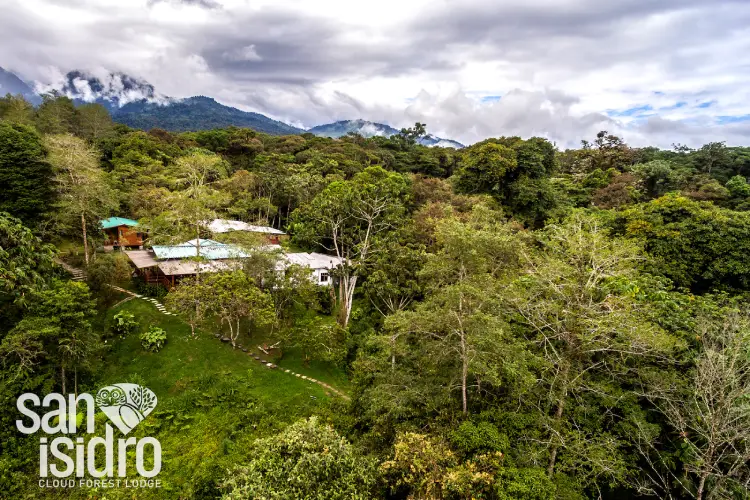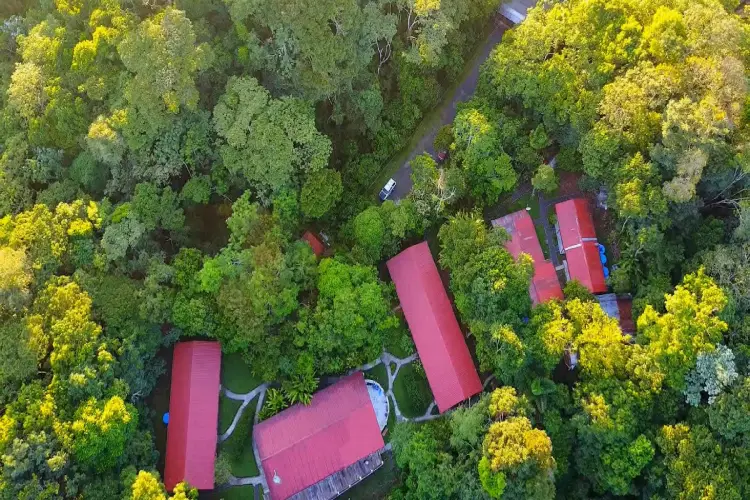


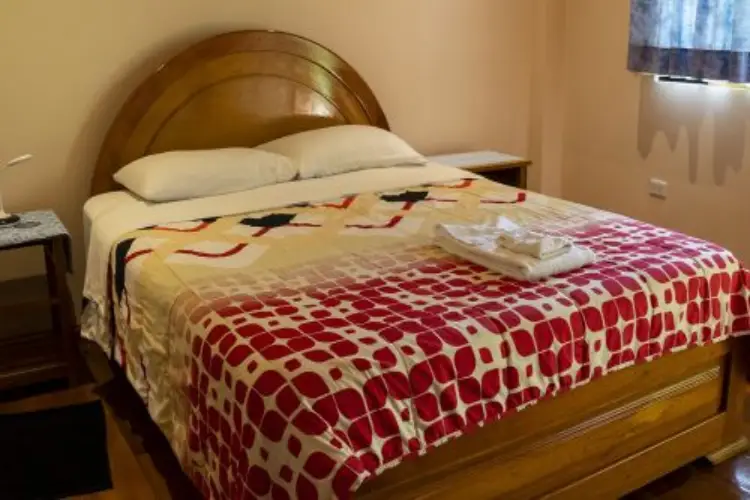

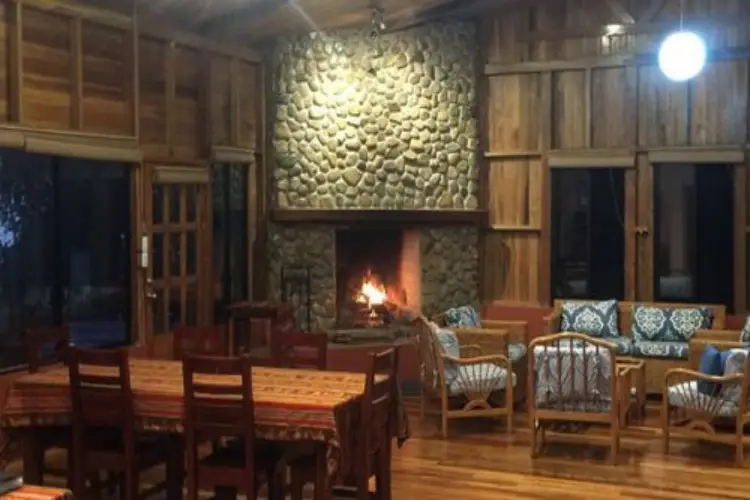
Escape into the lush beauty of Wildsumaco Lodge, where the Andes meet the Amazon in a spectacular setting filled with tropical birds, hummingbirds, forest trails, and breathtaking natural scenery.
Perfect for birdwatchers, photographers, and nature lovers, Wildsumaco offers an intimate rainforest experience surrounded by extraordinary biodiversity and peaceful cloud forest landscapes.
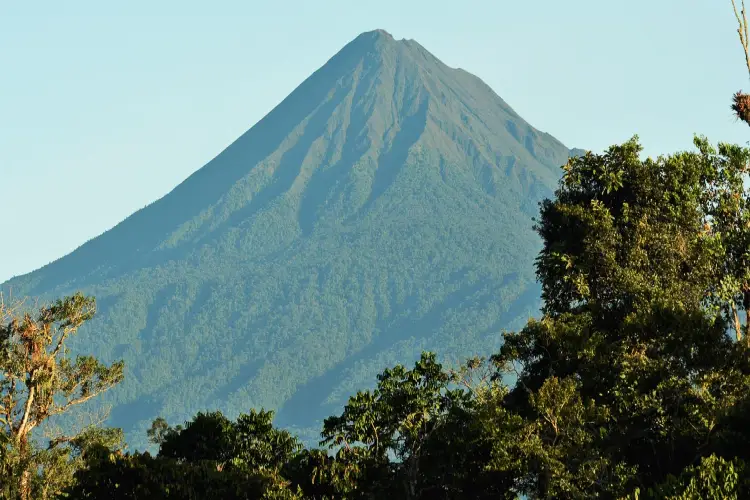
From other parts of our reserve you can look out to the south and east and see Napo Galeras National Park, and let your eyes and imagination wander to the far-off Amazonian lowlands stretching out beyond. Wildsumaco Lodge is located at a comfortable elevation of about 1480m (4900 feet) and our forest reserve ranges from 1200 to about 1600m (3900 to 4900 feet).
Discover, explore, and reconnect with nature in one of Ecuador’s most remarkable wildlife destinations.
Colours of the Sky: Species of Birds in Ecuador
QUITO – PAPALLACTA AREA – GUANGO LODGE
After an early departure from your Quito hotel, we’ll drive east over the Andes’ Papallacta Pass. We’ll stop at a ravine below the pass with chances on Giant Hummingbird, Black-tailed Trainbearer, Tawny-rumped Tyrannulet, Tufted Tit-Tyrant, Yellow-breasted Brush-Finch (called Rufous-naped Brush-Finch in Birds of Ecuador) and Buff-breasted Mountain-Tanager. Once at the pass we’ll look for paramo species like Tawny Antpitta, Ecuadorian Hillstar, Whitechinned Thistletail, Many-striped Canastero and Red-rumped Bush-Tyrant.
At the antennas at 4300m we search for the endemic subspecies of Rufous-bellied Seedsnipe. Below the pass, a patch of polylepis forest holds Giant Conebill, Black-backed Bush-Tanager and sometimes Great Horned Owl. A short hike takes us to a paramo lake containing Silvery Grebe, Andean Ruddy Duck and Andean Coot. Other species like Andean Gull, Black-chested Buzzard-Eagle or Andean Condor might be seen anywhere along this stretch. Overnight at the very comfortable Guango Lodge.
PAPALLACTA
In the morning we’ll bird the road above Termas Papallacta, looking for high elevation species such as Viridian Metaltail, Agile Tit-Tyrant, Paramo Tapaculo, Rufous Antpitta, and Masked, Black-chested, and Scarlet-bellied Mountain Tanagers and Golden-crowned Tanager, some of the most gaudy tanagers in the Andes. Also a slight chance on Crescent-faced Antpitta and Spectacled Bear!
Later we’ll drive back to Guango Lodge and its wonderful hummingbird feeders, that normally hold around 10 species including Sword-billed Hummingbird, Tourmaline Sunangel, Collared Inca and Chestnut-breasted Coronet. Along the trails we look for Gray-breasted Mountain-Toucan, Turquoise Jay, Black-capped and Black-eared Hemispingus, Plaintailed Wren, Plushcap, Northern Mountain-Cacique, Blue-backed and Capped Conebill to name a few. White-capped Dipper and Torrent Duck are often found on the river next to the lodge.
GUANGO LODGE – SAN ISIDRO
We’ll bird the morning at Guango and then drive to Cabanas San Isidro, our home for the next 2 nights. En route we scan the sky for Black-and-chestnut and Solitary Eagle and we should bump into our first Inca Jays and Russet-backed Oropendolas.
Arriving at San Isidro the avifauna changes dramatically and during the afternoon we have a chance to enjoy close views of Masked Trogon, Pale-edged Flycatcher, Black-billed Peppershrike, the colorful Crimson-mantled Woodpecker, White-crested Elaenia, Azara’s Spinetail, Subtropical Cacique and others.
SAN ISIDRO LODGE
An early start trying for the enigmatic Peruvian Antpitta; ¡this is the only place in the world where you can look for it!
Other possibilities include Montane Woodcreeper, Rufous-crowned Tody-Flycatcher, Streaked Tuftedcheek, Whitecapped Parrot, Yellow-billed Cacique, Golden-headed and Crested Quetzals, Handsome Flycathcer as well as several species of Tanagers and Flowerpiercers. At around 7:30 it’s feeding time for habituated White-bellied Antpitta – have your cameras ready! The hummingbird feeders serve among others Fawn-breasted Brilliant, Speckled Hummingbird, Long-tailed Sylph and Bronzy Inca.
GUACAMAYOS RIDGE, LORETO ROAD TO WILDSUMACO LODGE
Early start and we’ll take a box lunch with us when we leave San Isidro. This morning, we bird along the Guacamayos Ridge trail. Beautiful pristine cloud forest with dense undergrowth and bamboo, this area hosts a heap of species like Black-billed Mountain-Toucan, White-capped and Grass-green Tanager, Slate-crowned Antpitta, Rufous Spinetail, Green-and-black Fruiteater, Long-tailed Antbird, several species of Tapaculos including the spectacular Ocellated. Also, a slight chance on the very rare Greater Scythebill.
In the afternoon as we drop down on the eastern side of the Cordillera Guacamayos towards the amazon, the bird composition changes again. We’ll make several stops for Slaty-backed Chat-Tyrant, Black-chested Fruiteater, Goldeneyed Flowerpiercer, Yellow-throated Tanager and Chestnut-bellied Thrush. We turn on to the famed Loreto Road heading towards Wildsumaco, continuing to add species: White-tailed Hillstar, Cliff Flycatcher, Lemon-browed Flycatcher, our first Paradise Tanager, Crested Oropendola, Yellow-browed Sparrow and Black-billed Thrush. Also a slight chance on Orange-breasted Falcon. Late afternoon arrival at the new Wildsumaco Lodge where we shall stay 3 nights.
WILDSUMACO LODGE
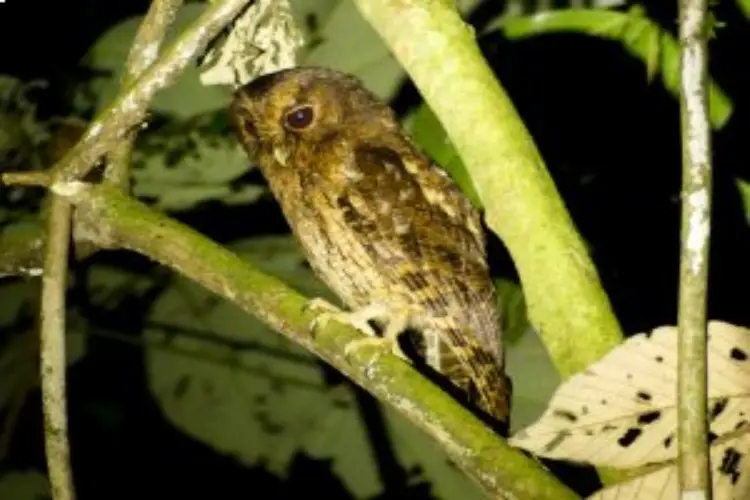
With a bird list of over 500 species it is difficult to start sorting out the specialties! We have 2 full days plus an additional morning to explore the trails and birds of Wildsumaco. The highlights are plenty and we hope to encounters ome of the most sought after species like Coppery-chested Jacamar (the bird on Wildsumaco’s logo!), Yellow-throated Spadebill, Gray-tailed Piha, Military Macaw, Spot-winged Parrotlet, Plain-winged Antwren, White-streaked Antvireo, Foothill Screech-Owl, Crimson-bellied Woodpecker, Foothill Elaenia, Wing-banded Wren, Scarlet-breasted and Fierythroated Fruiteater.
Just birding around the deck can be fantastic and the street light on the driveway attracts Black-billed Treehunter, Lined Antshrike, Dusky Spinetail, Squirrel Cuckoo, Marble-faced Bristle-Tyrant, Slaty-capped and Dusky-capped Flycatcher.
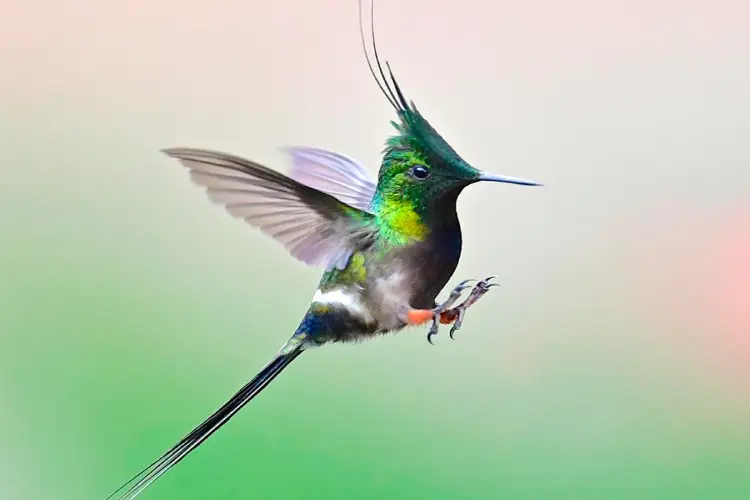
The feeders must be considered some of the absolute best in South America including Napo Sabrewing, Gould’s Jewelfront, Black-throated and Violet-fronted Brilliant, Many-spotted Hummingbird, Golden-tailed Sapphire, seasonally Ecuadorian Piedtail and Gray-chinned Hermit and often one or two rarities. Small-billed hummers like Gorgeted Woodstar and Wire-crested Thorntail feed on the porterweed around the lodge.
WILDSUMACO LODGE
We continue to look for species such as Chestnut-crowned Gnateater, Golden-collared Toucanet, White-tipped Sicklebill, Blackish Rail, Red-billed Tyrannulet, Yellow-breasted Antwren, Rufous-naped Greenlet, Coraya Wren, Foothill Antwren, Rufous-breasted Piculet, Golden-collared Honeycreeper, more species of tanagers including Magpie, White-lined, Silver-beaked, Blue-browed, Orange-eared, Spotted, Yellow-bellied and Golden-eared.
In the evening, we look for Band-bellied and Mottled Owl (occasionally possible on day perches) and Great Poto.
WILDSUMACO LODGE – QUITO
Last morning birding this avian El Dorado before we drive to either Coca (flight back) or Quito.
On the way out we stop at a bamboo patch with chance on Large-headed Flatbill, Golden-winged & Black-and-white Tody-Flycatcher, tripechested Antwren, Yellow Tyrannulet, Spot-backed Antbird, Dusky-billed Parrotlet and more.
Included
Not included
Transfers and excursions with private transportation and a native bird specialist guide.
2 nights accommodation in Papallacta at Guango Lodge, with meals included.
2 nights accommodation in Baeza at San Isidro Lodge, with meals included.
3 nights accommodation in Sumaco at Wildsumaco Lodge, with meals included.
Guided expeditions according to the itinerary.
All meals and excursions as described in the itinerary.
International flights
Alcoholic beverages
Personal expenses
Travel and health insurance
Prices are Per Person – 2026
Wildsumaco Lodge – Highlights
- Exceptional birdwatching – Designed especially for birders, with remarkable opportunities to observe colorful hummingbirds and a wide variety of Andean–Amazonian birdlife.
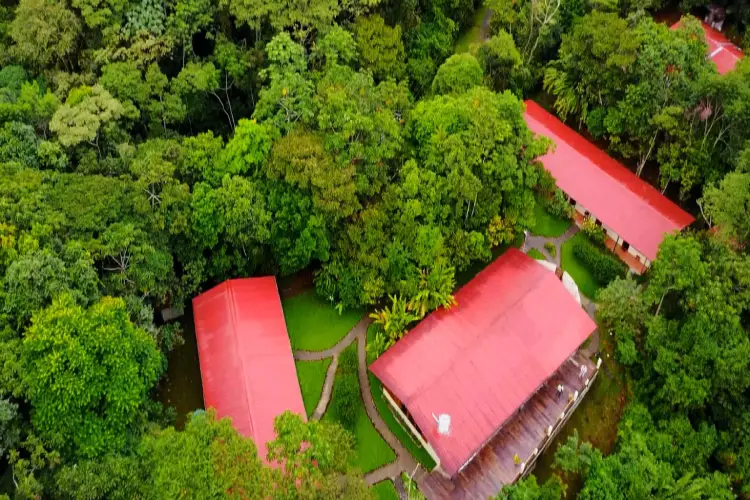
- Spectacular location – Set on a ridge in Ecuador’s Eastern Andean Foothills, surrounded by lush subtropical forest.
- Amazing panoramic views – Enjoy sweeping views across the Río Pucuno Valley, with distant Andean volcanoes visible on clear days.
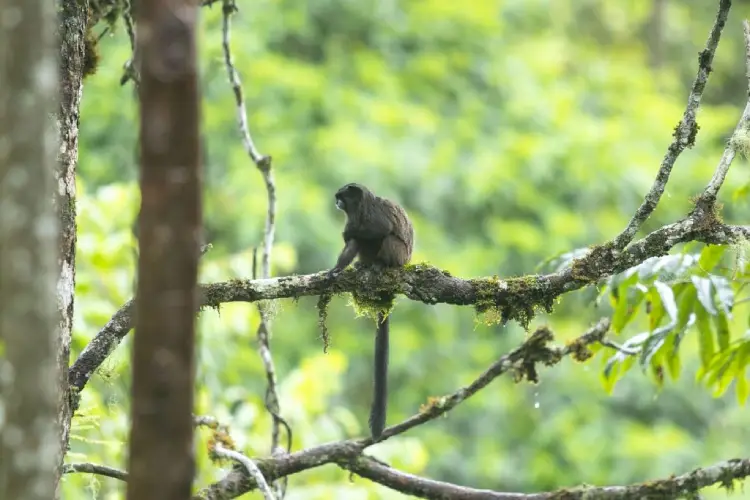
- Wildlife encounters – Discover monkeys, butterflies, frogs, reptiles and other fascinating rainforest wildlife within the reserve.
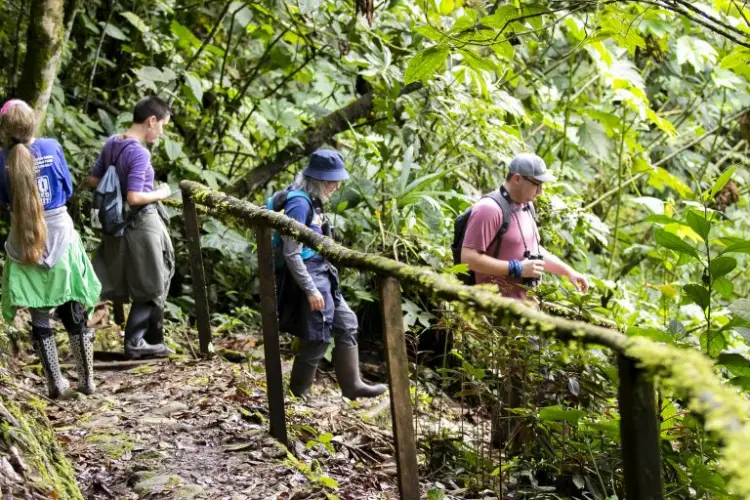
- Nature trails & photography – Explore peaceful forest trails ideal for birding, wildlife photography and nature walks.
- Gateway between Andes & Amazon – Its privileged location offers a wonderful combination of Andean foothill and Amazonian biodiversity.
- Perfect for nature lovers – A tranquil escape for travelers seeking authentic wilderness, incredible scenery and close encounters with Ecuador’s natural world.
Wildsumaco Lodge Gallery
Wildsumaco
A LODGE FOR BIRDERS AND ALL WHO ENJOY NATURE
Accommodation per night
Wildsumaco Lodge
Accommodation-
Double Occupancy $ 191
-
Single Occupancy $ 210
Wildsumaco Lodge
Accommodation-
Double Occupancy $ 183
-
Single Occupancy $ 200
Wildsumaco Lodge
Accommodation-
Double Occupancy $ 174
-
Single Occupancy $ 190
All rates are per night, and include 3 meals per day plus full use of our trails and facilities. Special diets can usually be accommodated if you tell us your needs when making your reservations.
Children staying in the same room with their parents:
– Little ones under 2 years of age, no cost.
– Children aged 2-10 years, ½ the adult rate.
– Eleven years and older, regular adult rates apply.