Ecuadorian Amazon Jungle
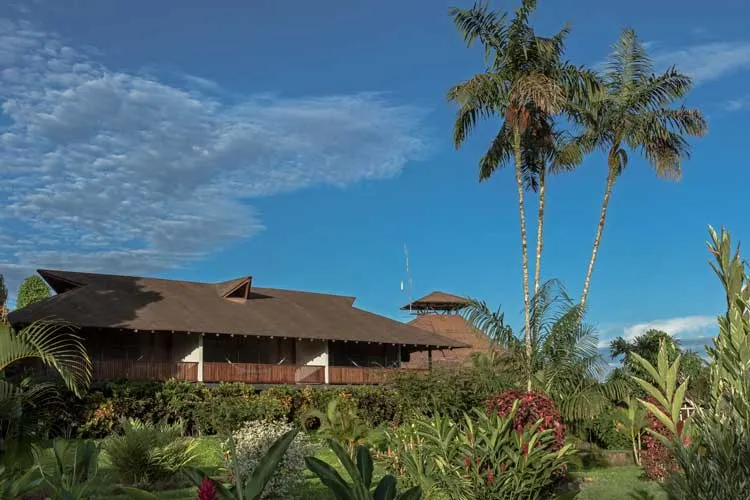
The area along the upper Napo River provides the perfect opportunity to get a first glimpse of the dense rainforest without totally departing from civilization. You can drive to most of the lodges, though sometimes a short canoe ride for the last stretch of the journey is necessary. Most tours include canoe excursions as well as exploratory hikes passing waterfalls and hundreds of birds. In addition, learn about the many medicinal plants of the rainforest and how to use them and listen to the jungle while you relax in a hammock after a long day of exploration.
Visitors to the Upper Napo River near Tena, Ecuador, can engage in a variety of exciting activities that showcase the region’s natural beauty and cultural richness.
Activities
- River Rafting: The Upper Napo River offers thrilling whitewater rafting experiences suitable for beginners and experienced rafters alike. The river’s rapids provide an adrenaline-pumping adventure against a backdrop of lush rainforest scenery.
- Kayaking and Canoeing: Adventurers can explore the tranquil sections of the Upper Napo River by kayaking or canoeing. This allows for a more intimate connection with the surrounding nature and wildlife.
- Jungle Trekking and Hiking: Guided jungle treks and hikes are available for visitors who want to explore the diverse ecosystems of the Amazon rainforest. Experienced guides lead participants through dense foliage, pointing out indigenous plants, animals, and bird species along the way.
- Wildlife Watching: The Upper Napo River region is home to a rich variety of wildlife, including monkeys, birds, reptiles, and amphibians. Visitors can embark on guided wildlife-watching excursions to observe these creatures in their natural habitats.
- Cultural Immersion: Visitors can also immerse themselves in the local indigenous cultures by visiting nearby communities and learning about their traditions, customs, and way of life. Many communities offer cultural demonstrations, craft workshops, and opportunities to taste traditional cuisine.
- Birdwatching: The Upper Napo River area is a paradise for birdwatchers, with hundreds of bird species inhabiting the surrounding rainforest. Guided birdwatching tours provide excellent opportunities to spot colorful toucans, parrots, and other exotic birds.
- Fishing: Fishing enthusiasts can try their hand at catching a variety of freshwater fish species found in the Upper Napo River. Some tour operators offer guided fishing trips where visitors can fish for piranhas, catfish, and other native fish species.
- Photography: The breathtaking landscapes, vibrant wildlife, and rich cultural heritage of the Upper Napo River region provide endless opportunities for photography enthusiasts to capture stunning images.
Overall, the Upper Napo River near Tena offers a wide range of activities for visitors seeking adventure, nature exploration, cultural experiences, and relaxation amidst the beauty of the Amazon rainforest.
Lodges in Tena

Itamandi Lodge
Itamandi EcoLodge Upper Napo River Lodge Tour 3 days / 2 nights Tour 4 days / 3 nights About Itamandi EcoLodge Itamandi EcoLodge offers sustainable travel and ecotourism to one

Hakuna Matata Lodge
Hakuna Matata Lodge Upper Napo River Lodge HAKUNA CLASSIC TOUR HAKUNA EXPLORER TOUR HAKUNA ADVENTURE TOUR About Hakuna Matata Amazon Lodge Welcome to Hakuna Matata Amazon Lodge, a small hidden

Hamadryade Lodge
Hamadryade Lodge, located near Puerto Misahuallí in the Upper Napo River region of Ecuador, offers a blend of luxury and eco-friendly experiences in the heart of the Amazon.

Huasquila Amazon Lodge
Huasquila Amazon Lodge Upper Napo River Lodge Amazon Tour Andes – Amazon Tour About Huasquila Lodge Amazon Lodge Huasquila is a complex of bungalows located in the amazon rainforest of

La Casa del Suizo
La Casa del Suizo Upper Napo River Lodge Tour 3 days / 2 nights Tour 4 days / 3 nights Tour 5 days / 4 nights About La Casa del

Kuyana Lodge
Kuyana Lodge Upper Napo River Lodge Kuyana Sustainability Kuyana Amazon Safari Kuyana Adventure Rafting Kuyana Wellness Kuyana Cultural Experiences About Kuyana Lodge Kuyana Amazon Lodge It is a magnificent boutique
Here are some frequently asked questions (FAQs) about the surrounding areas of the Upper Napo River:
- Where is the Upper Napo River located?
The Upper Napo River is located in the Amazon rainforest region of Ecuador, specifically in the northeastern part of the country. The main towns or cities near the Upper Napo River include Tena, Coca (Puerto Francisco de Orellana), and Archidona. These serve as gateways for visitors exploring the region. - What is the significance of the Upper Napo River?
The Upper Napo River is one of the main tributaries of the Amazon River. It plays a crucial role in the local ecosystem, providing habitat for diverse wildlife and supporting the livelihoods of indigenous communities living along its banks. - What activities can visitors engage in on the Upper Napo River?
Visitors to the Upper Napo River can participate in activities such as river rafting, kayaking, canoeing, jungle trekking, wildlife watching, birdwatching, fishing, cultural immersion experiences, and photography tours. Some notable attractions near the Upper Napo River include the Cuyabeno Wildlife Reserve, Yasuní National Park, Sumaco Biosphere Reserve, and indigenous communities like the Kichwa and Waorani.
- Are there any indigenous communities along the Upper Napo River?
Yes, the Upper Napo River is home to several indigenous communities, including the Kichwa and Waorani people. These communities have rich cultural traditions and often offer visitors opportunities to learn about their way of life, including traditional crafts, dances, and rituals. - Is it safe to visit the Upper Napo River region?
Generally, the Upper Napo River region is considered safe for visitors. However, it’s essential to follow safety guidelines provided by experienced guides, especially when engaging in outdoor activities and navigating the river.
- What is the best time to visit the Upper Napo River?
The best time to visit the Upper Napo River depends on personal preferences and the activities you wish to engage in. However, the dry season (June to September) generally offers more stable weather conditions and lower water levels, making it ideal for activities like jungle trekking and wildlife watching.
The climate in the surrounding areas of the Upper Napo River is typically tropical, with warm temperatures and high humidity throughout the year.
- Is lodging available in the surrounding areas of the Upper Napo River?
Yes, there are various lodging options available, including eco-lodges, jungle lodges, and guesthouses, offering a range of accommodations from rustic to more luxurious experiences.
You can find lodges like: Selina Lodge (Puerto Napo) – Itamandi Lodge (La punta de Ahuano) – Hakuna Matata (Archidona) – Shandia Lodge (Tálag) – Hamadryade Lodge(Puerto Misahuallí) – Huasquila Amazon Lodge (Cotundo) – La Casa del Suizo (Ahuano)
- How do I access the Upper Napo River?
Visitors typically access the Upper Napo River by flying from Quito to cities like Tena or Coca and then traveling by road or boat to reach the river and surrounding areas. Many tour operators offer packages that include transportation, accommodation, and guided activities.
- What kind of wildlife can be found along the Upper Napo River?
The Upper Napo River region is teeming with diverse wildlife, including monkeys, birds, reptiles, amphibians, fish, and insects. Visitors may have the opportunity to spot species such as toucans, parrots, caimans, anacondas, and pink river dolphins.Principio del formulario
Traveling in the surrounding areas of the Upper Napo River means witnessing a large variety of animals of interest.
Birds
Toucans: Species like the Chestnut-eared Aracari and the Channel-billed Toucan are commonly spotted in the rainforest canopy.
Parrots and Macaws: Vibrant species such as the Scarlet Macaw, Blue-and-yellow Macaw, and Mealy Parrot are often seen flying in flocks or feeding on fruits.
Hummingbirds: The Amazon rainforest is home to numerous hummingbird species, including the Sparkling Violetear and the Long-tailed Sylph, which visit flowers for nectar.
Herons and Egrets: Along the riverbanks and oxbow lakes, you may observe various herons and egrets, such as the Cocoi Heron and the Great Egret, hunting for fish and other aquatic prey.
Kingfishers: Species like the Ringed Kingfisher and the Amazon Kingfisher are commonly seen perched on branches overhanging the water, diving to catch fish.
Birds of Prey: Raptors such as the Harpy Eagle, Crested Eagle, and Black Hawk-Eagle inhabit the dense forest canopy, hunting for small mammals and birds.
Antbirds and Woodcreepers: These forest-dwelling birds, including the Black-faced Antbird and the Long-billed Woodcreeper, are often heard foraging in the undergrowth.
Manakins: Species like the Wire-tailed Manakin and the Blue-crowned Manakin perform elaborate courtship displays in the forest understory.
Tanagers and Honeycreepers: Colorful species like the Paradise Tanager and the Green Honeycreeper add splashes of brilliance to the forest canopy.
Trogons: Elegant birds like the Violaceous Trogon and the Collared Trogon perch quietly in the mid-story, waiting to catch insects or small fruits.
Fauna
Mammals: The rainforest surrounding the Upper Napo River is home to a variety of mammals, including:
- Primates: Species such as Howler Monkeys, Capuchin Monkeys, Spider Monkeys, and Squirrel Monkeys are commonly found swinging through the forest canopy.
- Large Cats: Jaguars and Ocelots, though elusive, roam the dense vegetation.
- Giant Anteaters: These unique creatures can be spotted foraging for ants and termites in the forest floor.
- Sloths: Both Two-toed and Three-toed Sloths can often be seen hanging from tree branches, moving slowly through the foliage.
- Peccaries: Collared Peccaries, also known as javelinas, are frequently encountered foraging in small groups.
- Rodents: Various rodent species, including Agoutis and Pacas, are part of the forest floor’s ecosystem.
Reptiles and Amphibians: The Amazon rainforest is home to a diverse array of reptiles and amphibians, including:
- Anacondas: These massive snakes are the world’s largest by weight and are often found near waterways.
- Caimans: Spectacled Caimans and Black Caimans inhabit the rivers and oxbow lakes.
- Tree Frogs: Colorful species of tree frogs, including the iconic Red-eyed Tree Frog, can be heard calling during the night.
- Poison Dart Frogs: Several species of poison dart frogs, known for their bright colors and toxic skin secretions, inhabit the forest understory.
- Boa Constrictors: These non-venomous snakes are skilled hunters, preying on birds and small mammals.
Fish: The waters of the Upper Napo River and its tributaries are home to a variety of fish species, including piranhas, catfish, electric eels, and various cichlids.
Insects and Arachnids: The rainforest is teeming with insect life, including butterflies, beetles, ants, spiders, and mantises, many of which play crucial roles in pollination, decomposition, and maintaining ecological balance.
Flora
Tropical Rainforest Trees: The Amazon rainforest is characterized by towering trees that form the forest canopy. Species such as the Kapok tree, Brazil nut tree, mahogany, and cedar are prominent in the region.
Epiphytes and Orchids: Epiphytic plants, including bromeliads, orchids, and ferns, thrive in the humid climate of the Amazon rainforest. Orchids, in particular, are incredibly diverse, with thousands of species found in the region.
Giant Ficus Trees: Ficus trees, also known as fig trees, are common in the Amazon rainforest. Some species, such as the strangler fig, begin life as epiphytes, eventually enveloping and strangling host trees as they grow.
Palm Trees: Various species of palm trees, including the iconic oil palm and the rattan palm, are scattered throughout the rainforest, providing habitat and food for wildlife.
Medicinal Plants: The Amazon rainforest is home to a wealth of medicinal plants used by indigenous communities for centuries. Plants like the ayahuasca vine, cat’s claw, and dragon’s blood tree are just a few examples of the region’s medicinal flora.
Giant Water Lilies: The Amazon basin is home to the giant water lily, or Victoria amazonica, which produces enormous leaves that can span several feet in diameter. These impressive aquatic plants are often found in oxbow lakes and slow-moving waterways.
Carnivorous Plants: Several species of carnivorous plants, such as pitcher plants and sundews, can be found in the Amazon rainforest. These plants supplement their nutrient intake by trapping and digesting insects.
Vines and Lianas: Vines and lianas are prevalent in the understory of the rainforest, climbing up trees and intertwining with the vegetation. These plants play important roles in canopy structure and provide food and shelter for various animals.
Fruit-Bearing Trees and Plants: The rainforest is home to a plethora of fruit-bearing trees and plants, including acai palms, cacao trees, and papaya plants, which provide sustenance for a wide range of wildlife.
Bamboo: Bamboo is a fast-growing grass species that forms dense thickets in parts of the Amazon rainforest. It is used by indigenous communities for construction, crafts, and food.