Ecuador's Cloud Forest

Discover Ecuador's Top Birding Lodges

A Paradise for Nature Enthusiasts

Los lodges para observación de aves son alojamientos específicamente diseñados para atender a observadores de aves y entusiastas de la vida silvestre. Se ubican estratégicamente en o cerca de áreas de observación de aves de primera categoría, proporcionando comodidades confortables y, a menudo, ofreciendo tours de observación de aves guiados.

Ubicación Los lodges para observación de aves generalmente se encuentran en regiones conocidas por su rica diversidad aviar. Estas ubicaciones pueden variar ampliamente e incluir selvas tropicales, humedales, montañas, costas y más. Elegir un lodge en un hábitat específico te permitirá enfocarte en especies de aves particulares.

Facilidades Los lodges para observación de aves ofrecen una variedad de comodidades para hacer que tu estancia sea confortable. Si bien el nivel de lujo puede variar, puedes esperar comodidades básicas como camas cómodas, baños privados y instalaciones de comedor. Algunos lodges también pueden ofrecer características más lujosas como servicios de spa, piscinas y comidas gourmet.

Guías Expertos: Muchos lodges para observación de aves proporcionan guías expertos que tienen un profundo conocimiento de las especies de aves locales y sus comportamientos. Estos guías lideran excursiones de observación de aves, ayudando a los huéspedes a identificar y avistar aves que de otro modo podrían pasar por alto.

Infraestructura para Observación de Aves Los lodges para observación de aves a menudo cuentan con infraestructura diseñada específicamente para observadores de aves, que incluye plataformas de observación, escondites y estaciones de alimentación. Estas características ofrecen excelentes oportunidades para la observación y la fotografía de aves.

Programas Educativos: Algunos lodges ofrecen programas educativos o talleres sobre la identificación de aves, el comportamiento de las aves y la conservación de la vida silvestre. Esto puede ser especialmente beneficioso para observadores de aves principiantes o aquellos interesados en aprender más sobre la ecología local.

Horarios flexibles: Los lodges generalmente ofrecen horarios flexibles para adaptarse a la observación temprano en la mañana y al final de la tarde, cuando muchas especies están más activas. A menudo, puedes elegir entre excursiones de observación de aves de medio día o día completo.

Adecuación para Diferentes Niveles de Habilidad: Los lodges para observación de aves son adecuados para observadores de aves de todos los niveles de habilidad, desde principiantes hasta entusiastas experimentados. Los guías pueden adaptar sus recorridos según la experiencia de sus huéspedes, asegurando una experiencia satisfactoria para todos.

Iniciativas de Conservación: Muchos lodges para observación de aves están activamente involucrados en esfuerzos de conservación. Pueden apoyar proyectos de conservación locales, promover prácticas de turismo sostenible y operar de manera ambientalmente responsable.

Involucramiento con la Comunidad: Algunos lodges para observación de aves trabajan estrechamente con las comunidades locales, empleando a residentes locales y contribuyendo a la economía local. Esto puede llevar a una experiencia más auténtica y envolvente para los huéspedes.

Reservas Anticipadas: Debido a su popularidad, especialmente durante las temporadas pico de observación de aves, es recomendable hacer reservas en los lodges para observación de aves con suficiente antelación para asegurar tus fechas preferidas.

Alquiler de Equipos: Algunos lodges ofrecen servicios de alquiler de equipos, como binoculares y telescopios terrestres, lo que facilita la vida a los viajeros que pueden no tener su propio equipo.

Paquetes de Observación de Aves: Muchos lodges para observación de aves ofrecen paquetes que incluyen alojamiento, comidas, recorridos guiados y, a veces, transporte hacia y desde áreas de observación de aves cercanas. Estos paquetes pueden simplificar tu viaje de observación de aves.

Cuando elijas un lodge para observación de aves, considera las especies de aves que deseas observar, la accesibilidad de la ubicación, tu presupuesto y el nivel de comodidad y servicios que deseas. Investiga y lee reseñas para encontrar el lodge que mejor se adapte a tus preferencias de observación de aves y necesidades de viaje.

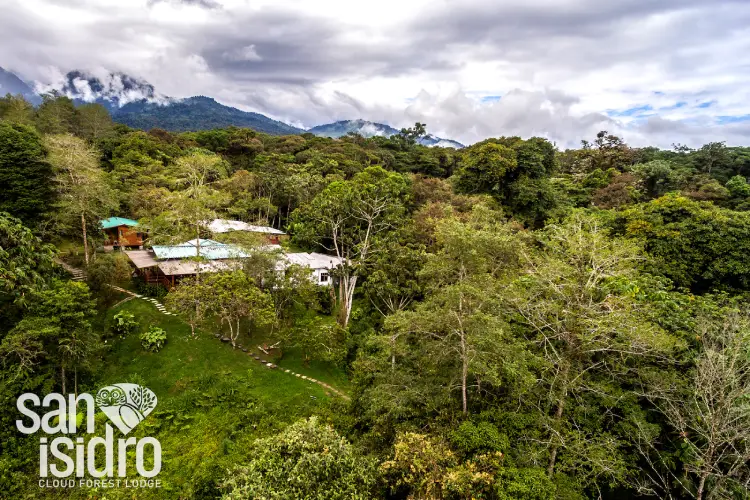
San Isidro Lodge
Lodges de Aves

San Isidro Lodge

San Isidro Lodge Birding Lodge Full Birding Tour 5D/4N Full Birding Tour 4D/3N Full Birding Tour 3D/2N General Interest Tour 4D/3N General Interest Tour 3D/2N

Tandayapa Bird Lodge
Lodges de Aves

Tandayapa Bird Lodge

Tandayapa Bird Lodge Birding Lodge Birding Tour 5D/4N Birding Tour 4D/3N Birding Tour 3D/2N Birding Tour 2D/1N About Tandayapa Bird Lodge Tandayapa Bird Lodge is

Bellavista Cloud Forest Lodge & Reserve
Lodges de Aves

Bellavista Cloud Forest Lodge & Reserve

Bellavista Cloud Forest Lodge Birding Lodge Tour Cock of the Rock 3D/2N Tour Cock of the Rock 2D/1N About Bellavista Cloud Forest Lodge Bellavista offers

Guango Lodge
Lodges de Aves

Guango Lodge

Guango Lodge Birding Lodge Full Birding Tour 3D/2N Full Birding Tour 2D/1N General Interest Tour 3D/2N General Interest Tour 2D/1N About Guango Lodge Guango Lodge,

Aquí tienes algunas preguntas frecuentes (FAQs) sobre la observación de aves en Ecuador:

  1. ¿Por qué Ecuador es un destino popular para la observación de aves?

    • Ecuador es conocido por su increíble biodiversidad y sus diversos ecosistemas, lo que lo convierte en un paraíso para la observación de aves. Cuenta con más de 1,600 especies de aves, incluyendo muchas raras y endémicas.
  2. When is the best time for birdwatching in Ecuador?

    • Birdwatching can be excellent year-round in Ecuador. However, the best time is often during the dry season, which typically runs from June to September and December to January. During this period, many species are active and easier to spot.
  3. Where are the best birdwatching locations in Ecuador?

    • Ecuador has numerous birdwatching hotspots, including the Amazon rainforest, the Galápagos Islands, the Andes Mountains, and the cloud forests of Mindo and Tandayapa. Each region offers unique birding experiences.
  4. What are some of the must-see bird species in Ecuador?

    • Some iconic bird species to look out for include the Andean Condor, Sword-billed Hummingbird, Toucan Barbet, Andean Cock-of-the-Rock, and hundreds of colorful tanagers, parrots, and toucans.
  5. Do I need a guide for birdwatching in Ecuador?

    • While some experienced birdwatchers may navigate Ecuador on their own, hiring a local guide is highly recommended. They possess extensive knowledge of the local bird species and their habits, greatly increasing your chances of spotting rare and elusive birds.
  1. Are there birding tours available in Ecuador?

    • Yes, there are bird watching tour in Ecuador offer by Responsible Travel located to different regions and skill levels. These tours often provide transportation, lodging, and expert guides
  2. What equipment should I bring for birdwatching in Ecuador?

    • Essential equipment includes binoculars, a field guidebook specific to Ecuador, a spotting scope (optional but helpful for distant birds), sturdy hiking boots, lightweight clothing for varying climates, and a camera with a telephoto lens if you want to capture bird photos.
  3. Is it safe to travel for birdwatching in Ecuador?

    • Ecuador is generally considered safe for tourists, but it’s advisable to check the latest travel advisories and follow local guidelines. Some regions may require extra precautions, so consult with your tour operator or guide.
  4. What other wildlife can I see while birdwatching in Ecuador?

    • Besides birds, Ecuador is home to diverse wildlife, including mammals like monkeys, jaguars, and tapirs, as well as reptiles, amphibians, and a wide array of insects and butterflies.
  5. Are there any conservation efforts related to birdwatching in Ecuador?

    • Yes, there are several conservation organizations and initiatives in Ecuador aimed at preserving the country’s rich biodiversity, including its bird species. Supporting these efforts through ecotourism can help protect the environment and the birds.
Remember to respect the environment and the birds you encounter while birdwatching in Ecuador by following ethical birding practices, such as staying on designated trails, keeping a respectful distance from wildlife, and refraining from using playback calls excessively. Enjoy your birding adventure in this beautiful country!

Start to Plan Your Adventure Today !

Lodges Ecuador

Requisitos de ingreso


The following information is provided by the Ministries of the Interior and Human Relations for citizens who wish to visit and get to know Ecuador.

Therefore, Responsible travel as a tour operator considers the following guidelines in order to generate a satisfactory experience on your trip through Ecuador. Nevertheless, please note that any requirement can change without prior notice, and it is the responsibility of each traveler to make sure to comply with the current requirements when entering the country.

Visa

The duration to visit the country is 90 days a year; if you are going to extend your visit, it is recommended to pay an extension.

List of countries that need a visa to enter Ecuador:

AfghanistanGuinea BissauRepublic of the Congo
AlbaniaHaitiDemocratic People’s Republic of Korea
Angola KenyaSenegal
BangladeshKyrgyzstanSierra Leone
CameroonIndiaSyria
ChadIraqSri Lanka
Ivory CoastIranSomalia
CubaLibyaSudan
EgyptMaliSouth Sudan
EritreaMauritaniaTajikistan
EthiopiaMyanmarUzbekistan
PhilippinesNigeriaVenezuela
GambiaPakistanVietnam
GhanaNepalYemen
GuineaDemocratic Republic of the Congo 

Applying for a visa

In case of applying for a visa and being able to enter the country. Please contact the following emails: consejeria@cancilleria.gob.ec and citasvisas@cancilleriga.gob.ec.

For more information, there are links to Ecuadorian embassies as well as foreign embassies within the country.

In the case of entering the country by land or river

The Government, through its Ministries, provides that foreign citizens who enter the country through the land or river borders of Colombia and Peru may present their apostilled certificate indicating that they do not have a criminal record; this certificate must have been issued in their country of origin or residence in the last five years.  or in turn request the review of the corresponding information through the Ecuadorian Migration System (SIMIEC).

The following individuals are exempt from filing

  • Holders of a valid Ecuadorean visa
  • Holders of diplomatic passports
  • Children and adolescents under 18
  • Victims of human trafficking.

COVID-19 rules

There is not a COVID certificate needed at the moment, but if you experience symptoms prior to your trip, you can complete a health application and bring it to the airport.

Conditions for passport validity

The passport must be valid for at least half a year. Access is restricted without a valid or reported lost document

 Galapagos Islands

People could visit until 60 days. For enter, you need to present:

Foreign Exchange

When you leave the country, you must declare the foreign exchange if you exceed the aggregate of $1,380.

Personal ID

As a regular law, you must carry your identification. Always keep a copy of your passport, with the pages containing your photo and Ecuadorian entrance stamp.


Requisitos de salida


Departure of Foreign Citizens

  1. Valid passport
  2. Ticket Flight

Departure of national and foreign minors

Ecuadorian children and adolescents and resident foreigners may leave the national territory under the following conditions:

  • Accompanied by their parents, legal guardians, or whoever exercises parental authority, or with one of their parents with prior notarial or judicial authorization from those who are not traveling with them.
  • Alone or with third parties with the prior authorization of the parents, guardians, or those who exercise parental authority.


lenguage

The native language is Spanish. Some indigenous people speak Spanish, Quechua, and English. The indigenous communities living in the jungle speak their languages and dialects.

At Responsible Travel, we are trained to provide the best experience to the tourist. For this reason, our team of guides is bilingual, as are most of our suppliers (hotels and restaurants).