Ecuadorian Amazon Jungle

Reserva de Vida
Silvestre Cuyabeno

Immerse Yourself in Nature:
Eco-Friendly Lodges in Cuyabeno Reserve

La Reserva de Vida Silvestre Cuyabeno es un parque nacional con gran biodiversidad ubicado en la región amazónica de Ecuador. Se extiende por más de 600.000 hectáreas de selva tropical prístina, que comprende ríos, lagunas y vegetación tropical. La reserva alberga una variedad excepcional de vida silvestre, incluidos delfines rosados, anacondas, caimanes, monos, tapires y jaguares, entre otros. La exuberante flora incluye árboles imponentes, orquídeas exóticas y una variedad de plantas medicinales y comestibles.
Aquí, verá una red de afluentes que se originan en el río Aguarico y el río Cuyabeno en La Reserva de Producción de Fauna Cuyabeno , donde desfiles de vida silvestre siguen a los ríos a medida que desembocan en las 14 lagunas y formando el humedal más extenso de la Amazonía ecuatoriana.. Tenga cuidado con los armadillos gigantes, los delfines de agua dulce, los tapires, los monos, las tortugas terrestres y los loros. La flora esplendorosa varía desde frutas con colores vibrantes y flores llamativas hasta enormes hojas y frondas verdes. El Cuyabeno es territorio de varias comunidades indígenas, como: los Siona, Secoya y Shuar, entre otras, esto también hace a la Reserva Cuyabeno rica en actividades culturales.
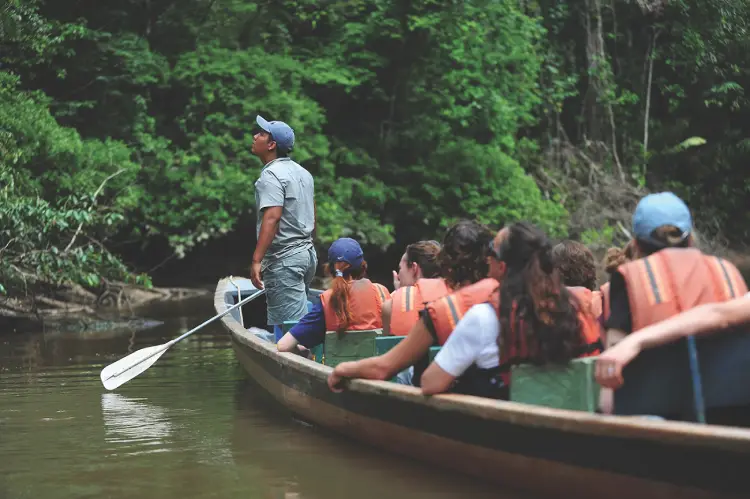
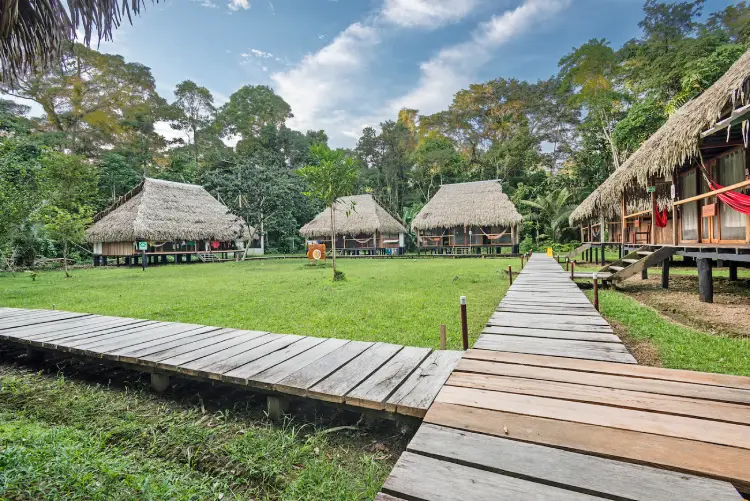
Visitors can experience the beauty of the reserve by participating in guided jungle treks, birdwatching tours, canoe rides through the rivers and lagoons, and visits to indigenous communities to learn about their culture and traditions. Various eco-lodges offer accommodation within the reserve, providing visitors with an opportunity to immerse themselves in the heart of the Amazon and appreciate its rich biodiversity. It is crucial for visitors to adhere to the local regulations and respect the wildlife while exploring the reserve.


In Cuyabeno, visitors can engage in various activities, including:

  1. Jungle Trekking: Explore the lush rainforest through guided jungle treks, allowing you to witness the diverse flora and fauna up close.

  2. Canoe Excursions: Take guided canoe trips along the rivers and lagoons, providing opportunities for wildlife sightings and birdwatching.

  3. Wildlife Spotting: Observe the rich biodiversity, including pink dolphins, monkeys, caimans, anacondas, and an array of bird species, making it an excellent destination for wildlife enthusiasts.

  4. Avistamiento de Aves The reserve is a paradise for birdwatchers, offering a chance to spot numerous bird species in their natural habitat.

  5. • Visitas Culturales: Conoce a las comunidades indígenas y aprende sobre sus costumbres y tradiciones. Explore indigenous communities, learn about their traditions, and engage in cultural activities to gain a deeper understanding of the local way of life.

  6. Night Tours: Participate in guided night tours to witness the unique nocturnal wildlife and experience the jungle in a different light.

  7. Swimming and Relaxing: Enjoy a refreshing swim in the rivers or lagoons and bask in the serene ambiance of the Amazon rainforest.

These activities provide visitors with an immersive and unforgettable experience, allowing them to appreciate the natural beauty and biodiversity of the Cuyabeno Wildlife Reserve.

Lodges in Cuyabeno

Dracaena Wildlife Lodge
Lodges en Cuyabeno

Nicky Wildlife Lodge

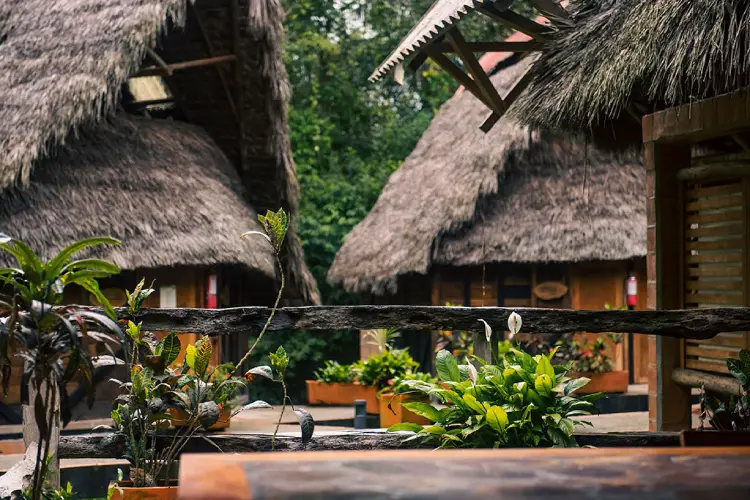
Nicky Wildlife Lodge, situated deep within the Cuyabeno Wildlife Reserve, offers a unique and immersive Amazon experience with an emphasis on sustainable tourism and cultural exchange…..
Leer más
Lodges en Cuyabeno

Jamu Lodge

Jamu is an eco lodge located in the rainforest, Jamu meaning Armadillo in the indigenous Siona language, is located along the Cuyabeno River, 15 minutes downstream from the wonderful Laguna Grande and immersed in the

Leer más
Tapir Lodge
Lodges en Cuyabeno

Tapir Lodge

Located in the pristine Amazonian Rainforest of Ecuador within the Cuyabeno Reserve, Tapir Lodge is a distinct and one of a kind experience in the world. With its unique and comfortable accommodations, Tapir caters to

Leer más
Cuyabeno Lodge
Lodges en Cuyabeno

Cuyabeno Lodge

The Cuyabeno Lodge is designed to host rainforest travellers in harmony with the surrounding environment and is attuned to the needs of the modern visitor. It works together with a Siona community whose members provide

Leer más
Bamboo Ecolodge
Lodges en Cuyabeno

Bamboo Ecolodge

We only accommodate up to 25 guests at the same time, like this we can insure excellent personal services for our guests. All our tours are guided by knowledgeable and licensed bilingual (English, Spanish) naturalist

Leer más
Lodges en Cuyabeno

Waita Lodge

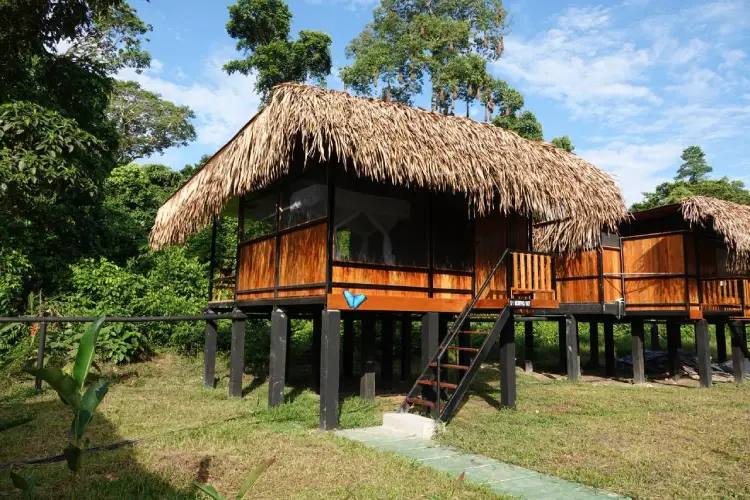
Waita Lodge is a welcoming rainforest retreat inside Ecuador’s Cuyabeno Wildlife Reserve, designed for travelers from the USA and Europe who want an authentic Amazon experience with comfort, safety, and expert guiding. Surrounded by blackwater
Leer más
Lodges en Cuyabeno

Tucan Lodge

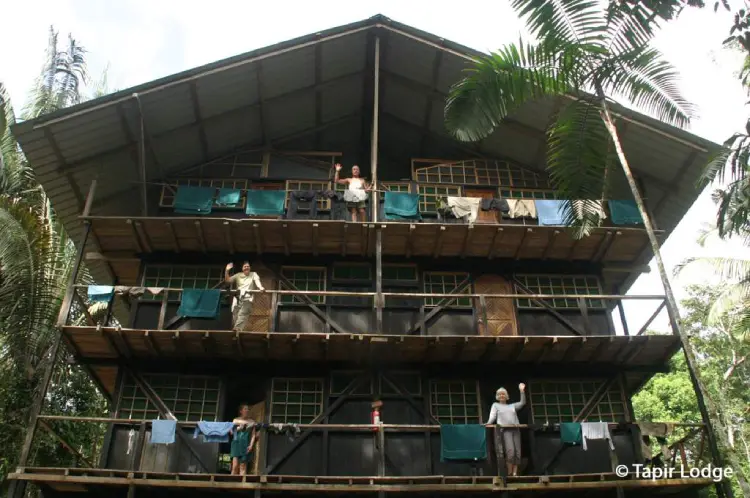
Discover Tucán Lodge in Ecuador’s Cuyabeno Wildlife Reserve, an Amazon rainforest lodge offering wildlife tours, canoe excursions, jungle walks, and authentic cultural experiences.

Leer más

Here are some frequently asked questions (FAQs) about Cuyabeno Wildlife Reserve

  1. What kind of wildlife can we expect to see in Cuyabeno?

    Cuyabeno is home to a diverse array of wildlife including pink dolphins, monkeys, caimans, anacondas, various bird species, and more.

  2. Is it safe to swim in the rivers and lagoons of Cuyabeno?

     Swimming in designated areas is generally considered safe, but it’s important to follow the guidance of your guides and respect the local guidelines.

  3. What is the best time of the year to visit Cuyabeno for wildlife spotting?

    The best time for wildlife sightings is during the dry season, from June to September, when animals are more active and visible.

  4. How can we get to Cuyabeno from major cities or towns in Ecuador?

    Access to Cuyabeno is primarily through organized tours that typically include transportation from Quito or Lago Agrio to the reserve.

  5. What are some recommended activities for families with children in Cuyabeno?

    Family-friendly activities include guided nature walks, canoe rides, and opportunities to learn about the local flora and fauna.

6. Are there any restrictions on photography or filming in the Cuyabeno Reserve?

Generally, photography and filming are allowed, but it’s advised to ask for permission before taking pictures of indigenous communities or specific cultural activities.

7. What are some of the typical dishes we can try while staying in Cuyabeno?

 You can try local dishes such as fish cooked in banana leaves, yuca-based dishes, and a variety of fresh tropical fruits.

8. How can we contribute to the conservation efforts in Cuyabeno during our visit?

You can contribute by following the ecotourism guidelines, supporting local sustainable initiatives, and being respectful of the environment and local culture.

9. What should we pack for our trip to Cuyabeno in terms of clothing and equipment?

 It’s recommended to pack light, quick-dry clothing, insect repellent, sturdy walking shoes, and a waterproof jacket, among other essentials.

10. Can we purchase souvenirs or locally made crafts in Cuyabeno?

 Yes, you can find handcrafted souvenirs, jewelry, and traditional artworks made by local indigenous communities, providing you with an opportunity to support the local economy and culture.

How to get from Quito to Cuyabeno Wildlife Reserve 2024

Transport Quito – Cuyabeno – Quito

Opción 1 En autobús

Su autobús turístico saldrá de Quito a las 23h00pm el día antes de que comience su tour a lo largo de los Andes hasta la cuenca del Amazonas, llegando al Puente Cuyabeno (Entrada al Parque Nacional) aproximadamente a las 09h00am, lo que le dará algo de tiempo libre (por ejemplo, para tomar un desayuno opcional) antes de que comience su tour (generalmente entre las 10:00 am y las 11:00 am).

Luego de finalizar el tour en el puente Cuyabeno (usualmente entre las 10h00 y 11h00) se toma el bus turístico de regreso a Quito (estarás de regreso en Quito aproximadamente a las 21h00)

Opción 2: En avión y autobús

Su avión saldrá del aeropuerto de Quito a las 9:30 a m, sobrevolando los volcanes nevados de los Andes y llegando al Coca alrededor de las 10:00 a m, donde le esperará su transporte. Su tour por la selva comienza con el traslado al Puente Cuyabeno (entrada al Parque Nacional). Desde aquí, tomará su canoa por el tranquilo río Cuyabeno hasta su lodge.

Luego de finalizar el tour en el puente Cuyabeno, tomarás el bus turístico de regreso a Quito (aproximadamente 10 horas; estarás de regreso en Quito aproximadamente a las 21h00)


Opción 3  En avión

Su avión saldrá de Quito a las 9:30 a m y llegará al encantador pueblo amazónico de El Coca aproximadamente a las 10:00 a m, donde lo esperará su transporte. Su tour comienza con el traslado al Puente Cuyabeno (entrada al Parque Nacional). Desde aquí, disfrutará de un relajante paseo en canoa por el río Cuyabeno hasta su lodge.

Tras finalizar el tour en el puente Cuyabeno, un taxi lo llevará de regreso al Coca, donde pasará la noche. A la mañana siguiente, tomará un taxi (aprox. US$ 3) al aeropuerto y tomará el avión a las 10:30 a m de regreso a Quito (estará de regreso al aeropuerto de Quito aproximadamente a las 11:00 a m).

Click on the points of the map for a detailed information about the lodges in the Cuyabeno Reserve.

Birds in the Cuyabeno Wildlife Reserve

  1. Hoatzin (Opisthocomus hoazin)
  2. Blue-and-yellow macaw (Ara ararauna)
  3. Amazon kingfisher (Chloroceryle amazona)
  4. Ringed kingfisher (Megaceryle torquata)
  5. Harpy eagle (Harpia harpyja)
  6. Chestnut-fronted macaw (Ara severa)
  7. Great egret (Ardea alba)
  8. Black-collared hawk (Busarellus nigricollis)
  9. Plum-throated cotinga (Cotinga maynana)
  10. Rufescent tiger-heron (Tigrisoma lineatum)
  11. Capped heron (Pilherodius pileatus)
  12. Pale-vented pigeon (Patagioenas cayennensis)
  13. White-banded swallow (Atticora fasciata)
  14. White-necked puffbird (Notharchus macrorhynchos)
  15. Black-tailed trogon (Trogon melanurus)
  16. Yellow-rumped cacique (Cacicus cela)
  17. Amazonian motmot (Momotus momota)
  18. Green ibis (Mesembrinibis cayennensis)
  19. Violaceous trogon (Trogon violaceus)
  20. Great potoo (Nyctibius grandis)

Fauna in the Cuyabeno Wildlife Reserve

Mammals:

  1. Pink river dolphin (Inia geoffrensis)
  2. Giant otter (Pteronura brasiliensis)
  3. Tapir (Tapirus terrestris)
  4. Jaguar (Panthera onca)
  5. Amazonian manatee (Trichechus inunguis)
  6. Brazilian porcupine (Coendou prehensilis)
  7. Red howler monkey (Alouatta seniculus)
  8. Squirrel monkey (Saimiri sciureus)
  9. White-bellied spider monkey (Ateles belzebuth)
  10. Capybara (Hydrochoerus hydrochaeris)

Reptiles and Amphibians:

  1. Anaconda (Eunectes murinus)
  2. Caiman (Caiman crocodilus)
  3. Green iguana (Iguana iguana)
  4. Poison dart frog (Dendrobatidae family)
  5. Spectacled caiman (Caiman crocodilus)
  6. Various species of snakes, frogs, and lizards

Insects and Arachnids:

  1. Various species of butterflies
  2. Leaf-cutter ants
  3. Tarantulas
  4. Beetles
  5. Grasshoppers

Flora in the Cuyabeno Wildlife Reserve

  1. Ceiba (Ceiba pentandra)
  2. Kapok tree (Ceiba pentandra)
  3. Rubber tree (Hevea brasiliensis)
  4. Mahogany (Swietenia macrophylla)
  5. Brazil nut tree (Bertholletia excelsa)
  6. Cocoa tree (Theobroma cacao)
  7. Various species of orchids (Orchidaceae family)
  8. Heliconias (Heliconia spp.)
  9. Various species of palms (Arecaceae family)
  10. Bromeliads (Bromeliaceae family)
  11. Giant water lilies (Victoria amazonica)
  12. Bamboo (Bambusoideae family)
  13. Various species of medicinal plants and herbs
  14. Various species of ferns
  15. Epiphytes and mosses

Requisitos de ingreso


The following information is provided by the Ministries of the Interior and Human Relations for citizens who wish to visit and get to know Ecuador.

Therefore, Responsible travel as a tour operator considers the following guidelines in order to generate a satisfactory experience on your trip through Ecuador. Nevertheless, please note that any requirement can change without prior notice, and it is the responsibility of each traveler to make sure to comply with the current requirements when entering the country.

Visa

The duration to visit the country is 90 days a year; if you are going to extend your visit, it is recommended to pay an extension.

List of countries that need a visa to enter Ecuador:

AfghanistanGuinea BissauRepublic of the Congo
AlbaniaHaitiDemocratic People’s Republic of Korea
Angola KenyaSenegal
BangladeshKyrgyzstanSierra Leone
CameroonIndiaSyria
ChadIraqSri Lanka
Ivory CoastIranSomalia
CubaLibyaSudan
EgyptMaliSouth Sudan
EritreaMauritaniaTajikistan
EthiopiaMyanmarUzbekistan
PhilippinesNigeriaVenezuela
GambiaPakistanVietnam
GhanaNepalYemen
GuineaDemocratic Republic of the Congo 

Applying for a visa

In case of applying for a visa and being able to enter the country. Please contact the following emails: consejeria@cancilleria.gob.ec and citasvisas@cancilleriga.gob.ec.

For more information, there are links to Ecuadorian embassies as well as foreign embassies within the country.

In the case of entering the country by land or river

The Government, through its Ministries, provides that foreign citizens who enter the country through the land or river borders of Colombia and Peru may present their apostilled certificate indicating that they do not have a criminal record; this certificate must have been issued in their country of origin or residence in the last five years.  or in turn request the review of the corresponding information through the Ecuadorian Migration System (SIMIEC).

The following individuals are exempt from filing

  • Holders of a valid Ecuadorean visa
  • Holders of diplomatic passports
  • Children and adolescents under 18
  • Victims of human trafficking.

COVID-19 rules

There is not a COVID certificate needed at the moment, but if you experience symptoms prior to your trip, you can complete a health application and bring it to the airport.

Conditions for passport validity

The passport must be valid for at least half a year. Access is restricted without a valid or reported lost document

 Galapagos Islands

People could visit until 60 days. For enter, you need to present:

Foreign Exchange

When you leave the country, you must declare the foreign exchange if you exceed the aggregate of $1,380.

Personal ID

As a regular law, you must carry your identification. Always keep a copy of your passport, with the pages containing your photo and Ecuadorian entrance stamp.


Requisitos de salida


Departure of Foreign Citizens

  1. Valid passport
  2. Ticket Flight

Departure of national and foreign minors

Ecuadorian children and adolescents and resident foreigners may leave the national territory under the following conditions:

  • Accompanied by their parents, legal guardians, or whoever exercises parental authority, or with one of their parents with prior notarial or judicial authorization from those who are not traveling with them.
  • Alone or with third parties with the prior authorization of the parents, guardians, or those who exercise parental authority.


lenguage

The native language is Spanish. Some indigenous people speak Spanish, Quechua, and English. The indigenous communities living in the jungle speak their languages and dialects.

At Responsible Travel, we are trained to provide the best experience to the tourist. For this reason, our team of guides is bilingual, as are most of our suppliers (hotels and restaurants).