Ecuadorian Amazon Jungle

Unforgettable Adventures
in the Amazonia with Rainforest Cruises

Los cruceros por la selva amazónica ecuatoriana ofrecen una oportunidad única de explorar una de las regiones más biodiversas y prístinas de la cuenca del Amazonas.
Los cruceros por la selva amazónica ecuatoriana suelen realizarse en el Parque Nacional Yasuní y la Reserva de Vida Silvestre Cuyabeno, ambos ubicados en la cuenca amazónica ecuatoriana. Estos cruceros ofrecen una forma lujosa y cómoda de experimentar las maravillas naturales de la Amazonía y, al mismo tiempo, minimizar el impacto en el medio ambiente.

Highlights:

Wildlife Viewing: The Amazon rainforest is home to a wide variety of wildlife, including jaguars, sloths, monkeys, and numerous bird species. Cruises often include guided excursions to spot these animals in their natural habitat.

River Exploration: You’ll navigate through the intricate network of Amazonian waterways, providing opportunities for birdwatching and witnessing river dolphins.

Indigenous Culture: Many cruises offer interactions with local indigenous communities, allowing you to learn about their traditional way of life, crafts, and customs.

Jungle Hikes: Guided jungle walks led by naturalists and experienced guides introduce you to the unique flora and fauna of the rainforest.

Canopy Tower: Some cruises include a visit to a canopy tower, which provides a bird’s eye view of the rainforest, allowing for breathtaking vistas and potential wildlife sightings.

Night Excursions: Nighttime excursions offer the chance to see nocturnal creatures such as owls, caimans, and night monkeys.

Alojamiento
Cruise vessels in the Ecuadorian Amazon are designed for comfort and often include air-conditioned cabins, private bathrooms, and panoramic views of the jungle. While they offer modern amenities, they are also designed to blend harmoniously with the natural surroundings.

Best Time to Go:
The Amazon experiences a rainy season from December to April and a drier season from May to November. The choice of when to go depends on your preference for weather and wildlife viewing. During the wet season, water levels rise, making it easier to explore smaller tributaries, while the dry season offers better hiking opportunities.

Before booking, it’s advisable to research our two cruises offered andtheir itineraries to find one that aligns with your interests and values. These cruises offer an immersive and educational experience in one of the world’s most diverse and ecologically important regions.

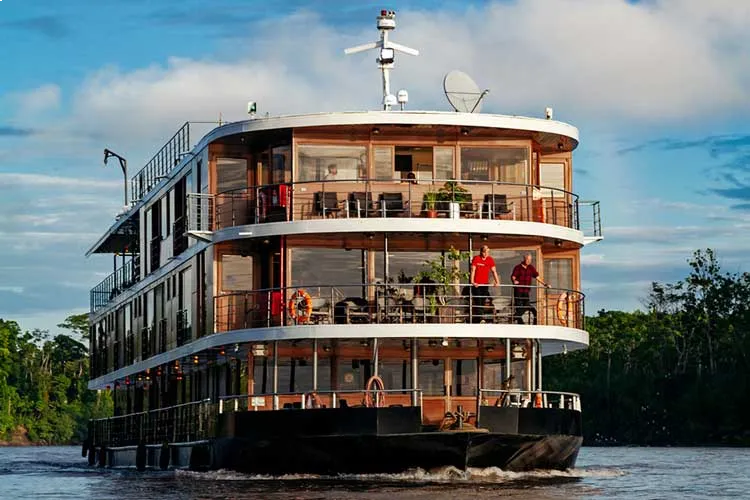
Manatee Explorer
Cruceros Selva

Manatee Amazon Explorer Cruise

Manatee Amazon Explorer Amazon River Cruises Tour 4 days / 3 nights Tour 5 days / 4 nights Tour 8 days / 7 nights About

Anakonda Amazon Cruise
Cruceros Selva

Crucero Amazónico Anakonda

Anakonda Amazon Cruise Amazon River Cruises Tour 4 days / 3 nights Tour 5 days / 4 nights Tour 8 days / 7 nights About

Here are some frequently asked questions (FAQs) about cruises in the Ecuadorian Amazon Rainforest

1. What is the best time to go on an Amazon Rainforest cruise in Ecuador?

  • The best time to go on an Amazon Rainforest cruise in Ecuador depends on your preferences. The dry season, from May to November, offers better hiking opportunities and is ideal for those who prefer less rainfall. The wet season, from December to April, brings higher water levels, making it easier to explore smaller tributaries and witness more active wildlife.


2. How long do Amazon Rainforest cruises typically last?

  • Amazon Rainforest cruises in Ecuador can vary in length, but they usually range from 4 to 8 days. The duration of your cruise may depend on the specific itinerary and activities offered by the cruise operator.


3. What activities are typically included in an Amazon Rainforest cruise?

  • Amazon Rainforest cruises often include activities such as wildlife viewing (birds, monkeys, dolphins), jungle hikes, visits to indigenous communities, canoe excursions, night safaris, and canopy tower experiences. Some cruises also offer fishing and kayaking.


4. Do I need any special vaccinations or health precautions for an Amazon Rainforest cruise in Ecuador?

  • It’s advisable to consult with a travel health professional before your trip to determine if any vaccinations or health precautions are necessary. Common recommendations include vaccinations for yellow fever and malaria prophylaxis. Additionally, it’s essential to take precautions against mosquito bites and stay hydrated during your trip.


5. What kind of wildlife can I expect to see during an Amazon Rainforest cruise?

  • The Ecuadorian Amazon Rainforest is teeming with wildlife. You may encounter a variety of animals, including monkeys (howler monkeys, capuchins), sloths, jaguars (rarely seen), river dolphins, caimans, a wide range of bird species (parrots, toucans, herons), and many more. The diversity is one of the highlights of these cruises.

6. Are Amazon Rainforest cruises in Ecuador suitable for families with children?

  • Many Amazon Rainforest cruises are family-friendly and offer activities suitable for children. However, it’s essential to check with the cruise operator about age restrictions and the suitability of the itinerary for your family.


7. How do I choose the right Amazon Rainforest cruise for me?

  • To choose the right cruise, consider factors like your budget, the length of the cruise, the specific activities you’re interested in, the level of comfort you desire, and the cruise operator’s commitment to sustainable and responsible tourism practices. Reading reviews and getting recommendations can also help in making your decision.


8. Is it safe to swim in the Amazon River during a cruise?

  • Swimming in the Amazon River is generally not recommended due to the presence of potentially dangerous wildlife, including piranhas and caimans. However, some cruises may offer safe swimming opportunities in designated areas or tributaries with the guidance of experienced guides.


9. What should I pack for an Amazon Rainforest cruise?

  • Packing essentials include lightweight, breathable clothing, comfortable walking shoes, rain gear, insect repellent, sunscreen, a hat, binoculars, a camera, and any necessary medications. Be sure to check with your cruise operator for any specific recommendations.


10. Do I need a visa to visit Ecuador for an Amazon Rainforest cruise? – Visa requirements for Ecuador vary depending on your nationality. Many tourists, including citizens of many Western countries, can enter Ecuador for tourism purposes without a visa for up to 90 days. However, it’s essential to check the specific visa requirements for your country before traveling.

Remember to double-check the most up-to-date information with Resposible Travel specialist and relevant authorities before embarking on your Amazon Rainforest adventure in Ecuador.

Requisitos de ingreso


The following information is provided by the Ministries of the Interior and Human Relations for citizens who wish to visit and get to know Ecuador.

Therefore, Responsible travel as a tour operator considers the following guidelines in order to generate a satisfactory experience on your trip through Ecuador. Nevertheless, please note that any requirement can change without prior notice, and it is the responsibility of each traveler to make sure to comply with the current requirements when entering the country.

Visa

The duration to visit the country is 90 days a year; if you are going to extend your visit, it is recommended to pay an extension.

List of countries that need a visa to enter Ecuador:

AfghanistanGuinea BissauRepublic of the Congo
AlbaniaHaitiDemocratic People’s Republic of Korea
Angola KenyaSenegal
BangladeshKyrgyzstanSierra Leone
CameroonIndiaSyria
ChadIraqSri Lanka
Ivory CoastIranSomalia
CubaLibyaSudan
EgyptMaliSouth Sudan
EritreaMauritaniaTajikistan
EthiopiaMyanmarUzbekistan
PhilippinesNigeriaVenezuela
GambiaPakistanVietnam
GhanaNepalYemen
GuineaDemocratic Republic of the Congo 

Applying for a visa

In case of applying for a visa and being able to enter the country. Please contact the following emails: consejeria@cancilleria.gob.ec and citasvisas@cancilleriga.gob.ec.

For more information, there are links to Ecuadorian embassies as well as foreign embassies within the country.

In the case of entering the country by land or river

The Government, through its Ministries, provides that foreign citizens who enter the country through the land or river borders of Colombia and Peru may present their apostilled certificate indicating that they do not have a criminal record; this certificate must have been issued in their country of origin or residence in the last five years.  or in turn request the review of the corresponding information through the Ecuadorian Migration System (SIMIEC).

The following individuals are exempt from filing

  • Holders of a valid Ecuadorean visa
  • Holders of diplomatic passports
  • Children and adolescents under 18
  • Victims of human trafficking.

COVID-19 rules

There is not a COVID certificate needed at the moment, but if you experience symptoms prior to your trip, you can complete a health application and bring it to the airport.

Conditions for passport validity

The passport must be valid for at least half a year. Access is restricted without a valid or reported lost document

 Galapagos Islands

People could visit until 60 days. For enter, you need to present:

Foreign Exchange

When you leave the country, you must declare the foreign exchange if you exceed the aggregate of $1,380.

Personal ID

As a regular law, you must carry your identification. Always keep a copy of your passport, with the pages containing your photo and Ecuadorian entrance stamp.


Requisitos de salida


Departure of Foreign Citizens

  1. Valid passport
  2. Ticket Flight

Departure of national and foreign minors

Ecuadorian children and adolescents and resident foreigners may leave the national territory under the following conditions:

  • Accompanied by their parents, legal guardians, or whoever exercises parental authority, or with one of their parents with prior notarial or judicial authorization from those who are not traveling with them.
  • Alone or with third parties with the prior authorization of the parents, guardians, or those who exercise parental authority.


lenguage

The native language is Spanish. Some indigenous people speak Spanish, Quechua, and English. The indigenous communities living in the jungle speak their languages and dialects.

At Responsible Travel, we are trained to provide the best experience to the tourist. For this reason, our team of guides is bilingual, as are most of our suppliers (hotels and restaurants).