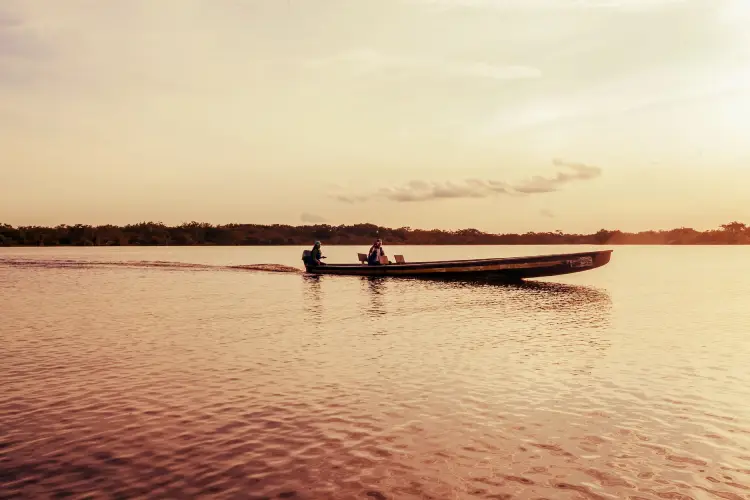
Arrival in the Amazon and Introduction to Cuyabeno Wildlife Reserve
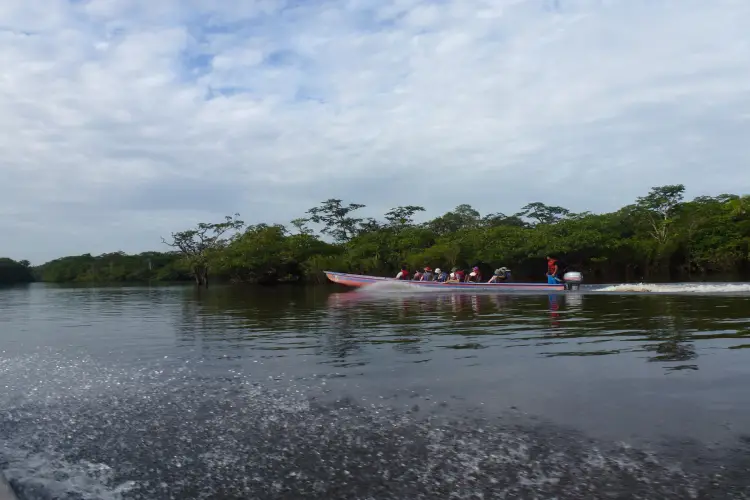
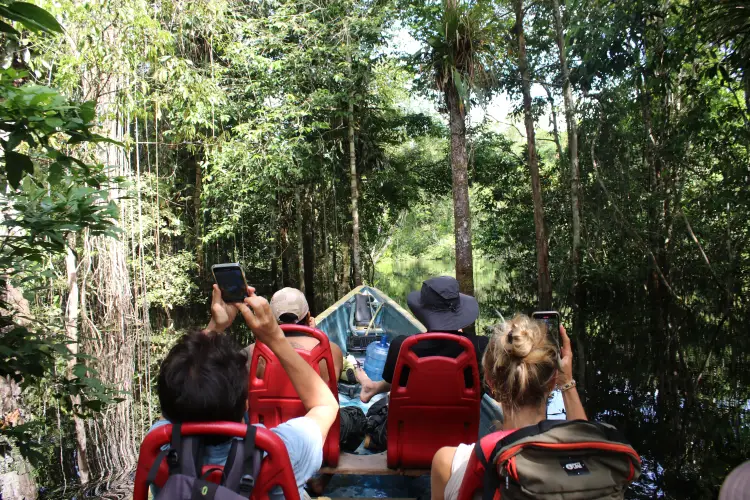
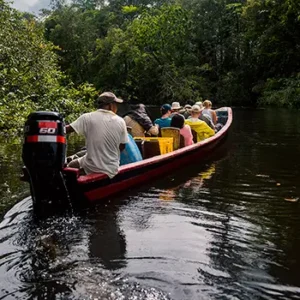 Arrival in the city of Coca (Francisco de Orellana), where the flight arrives at 10:10 am. Upon arrival, you will be picked up and transferred toward the eastern lowlands to the Aguarico River (approximately 2 hours by road). Lunch will be provided along the way. From the Aguarico River, we will navigate downstream for approximately 3½ hours until reaching the mouth of the Cuyabeno River, were, with some luck, pink freshwater dolphins can be observed.
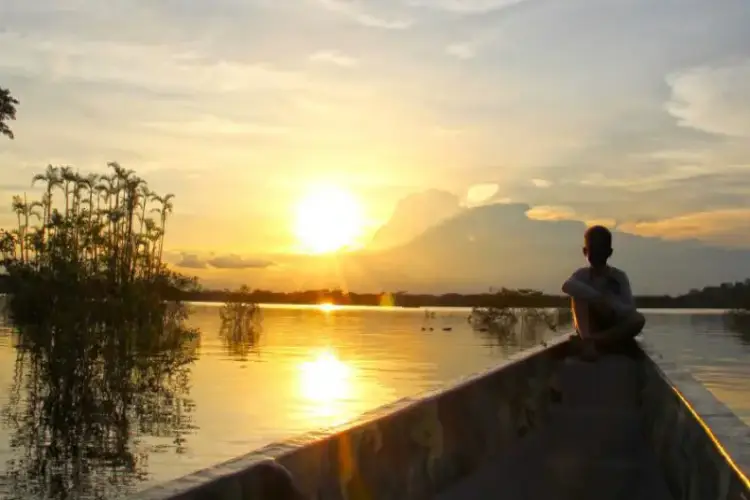
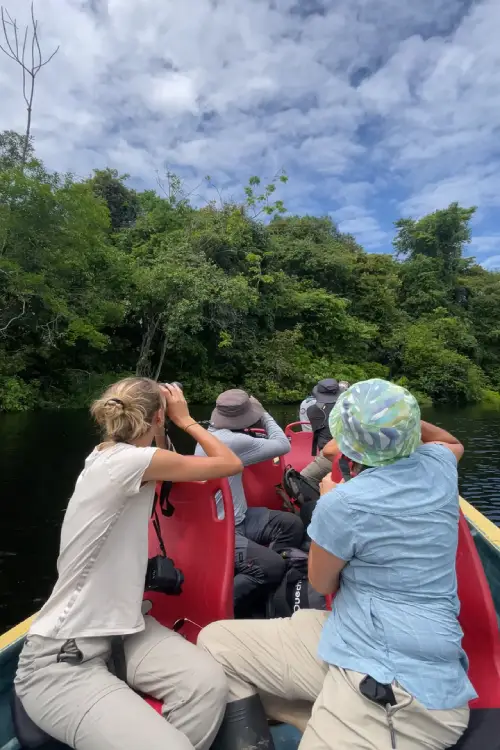
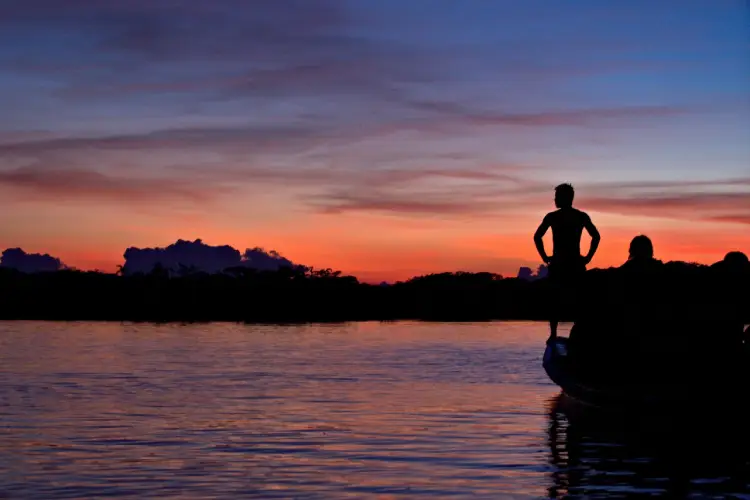
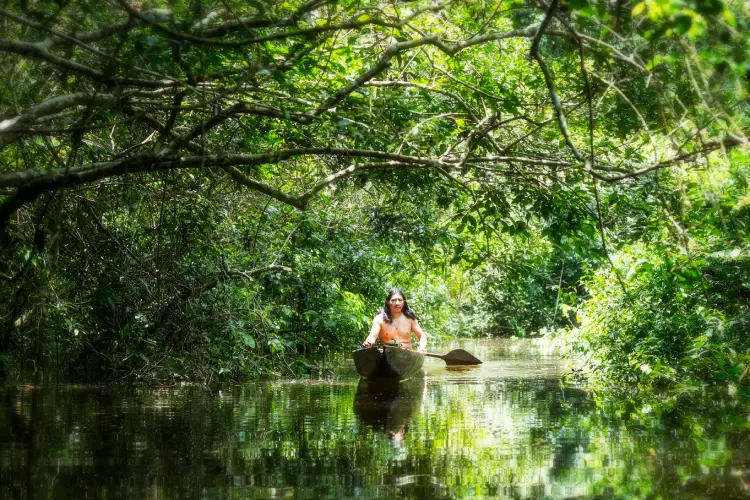
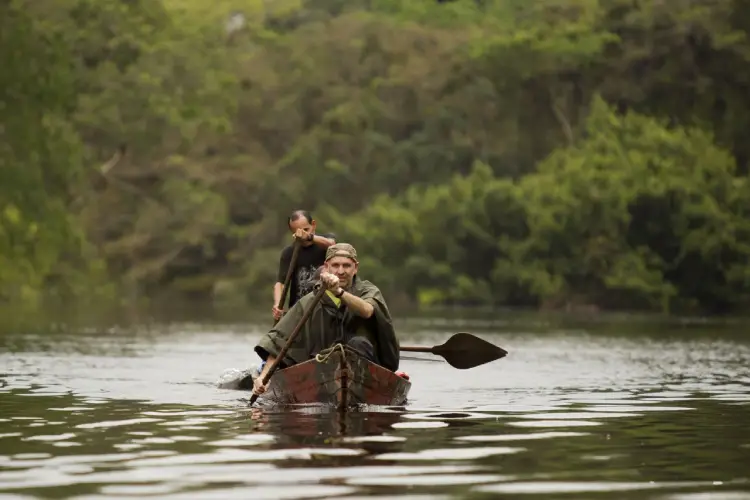
Upon arrival at our first base camp, operated by a Kichwa community tourism project, we will enjoy a canoe excursion to observe birds and monkeys before visiting the Kichwa observation tower at sunset. Later, we will take a night walk to discover insects, frogs, and the fascinating nocturnal sounds of the rainforest. Dinner will be served at camp, followed by an introductory talk about the tropical rainforest and specifically the Cuyabeno Wildlife Reserve, while sharing experiences with the guide and local community members.
Exploring the Rainforest and Zancudococha Lagoon
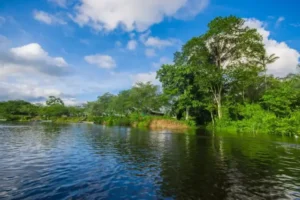
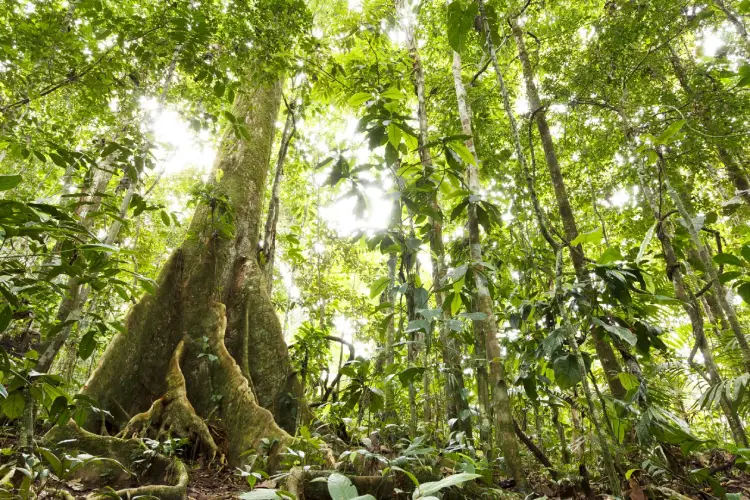
After breakfast, we will enjoy a jungle walk deep into the rainforest to learn about the ecosystems of the tropical rainforest and discover different plants used by local communities as natural medicine (approximately 2 hours). Afterwards, we will return to camp and continue navigating downstream along the Aguarico River. A box lunch will be provided during the journey.
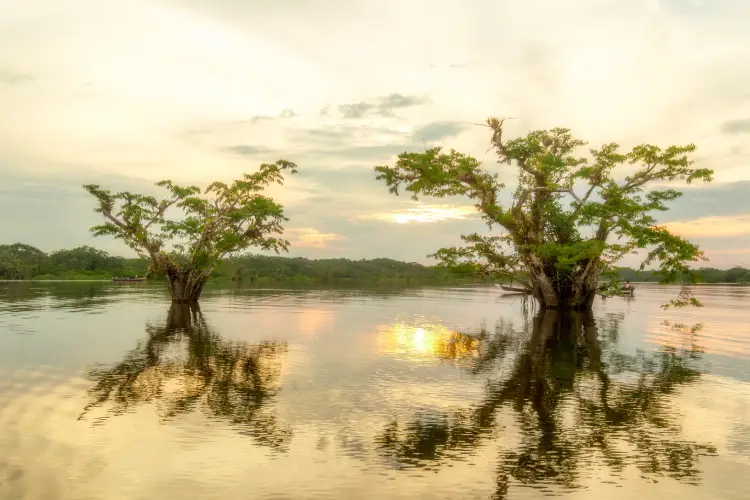
After approximately 3½ hours of navigation, we will arrive at Zancudococha Lagoon, one of the largest lagoons in the Ecuadorian Amazon, where we will set up our second camp. In the evening, we will enjoy a night walk to discover the fascinating nocturnal life of the rainforest, followed by dinner and an interpretive talk about the experiences and wildlife encountered throughout the day.
Exploring Zancudococha and Lagartococha Wetlands
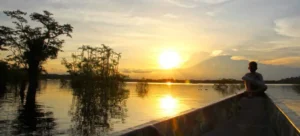 After breakfast, we will navigate through the lagoon to explore its rich biodiversity and, with some luck, observe Amazonian fish species such as paiche and piranhas. The area is also excellent for birdwatching, where species such as hoatzins, anis, parrots, cormorants, and herons can often be seen. After lunch, we will continue our journey navigating along the Aguarico River for approximately two hours until reaching Lagartococha River, a blackwater river that also marks the natural border with Peru.
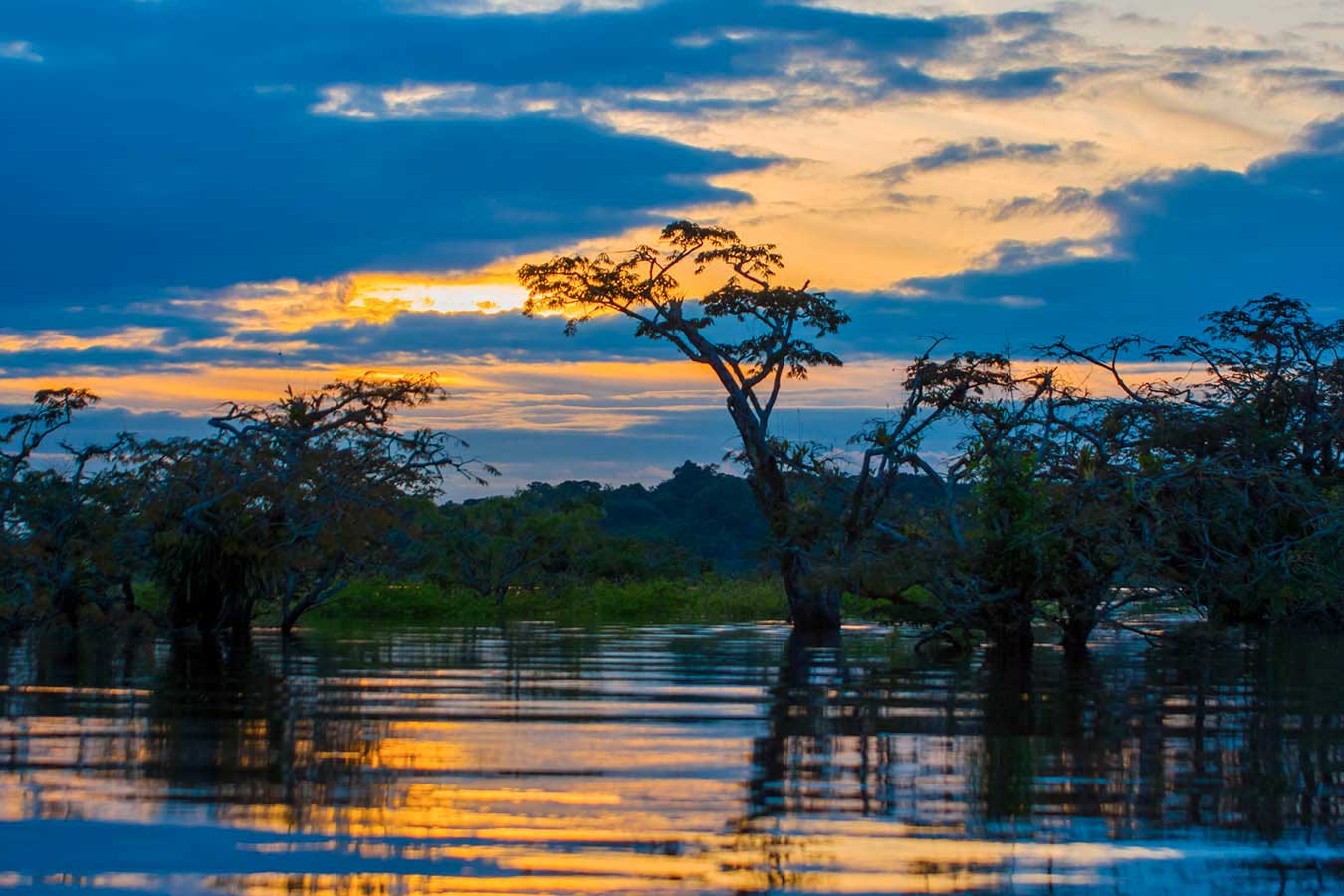
During the excursion, we will observe one of the most important rainforest ecosystems: the wetlands, formed by a network of interconnected large and small lagoons surrounded by várzea and igapó vegetation, where moriche palm forests dominate the landscape. Upon arrival at our next camp in the afternoon, dinner will be served before heading out on a night excursion to search for caimans along the riverbanks.
Wildlife Exploration and Visit to a Remote Secoya Community
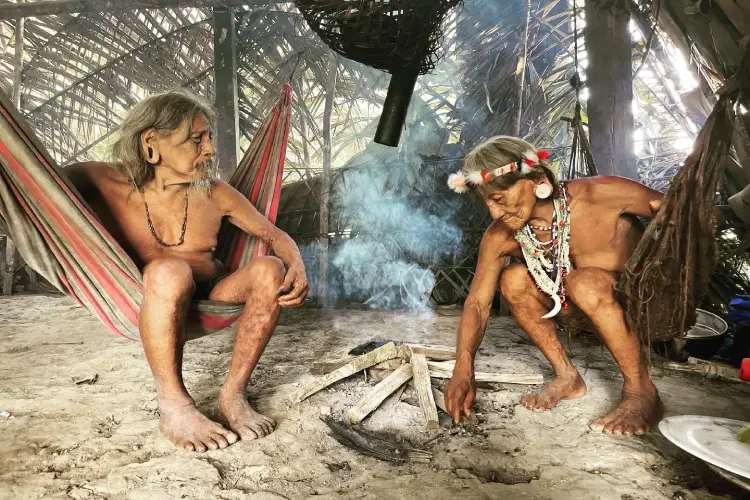
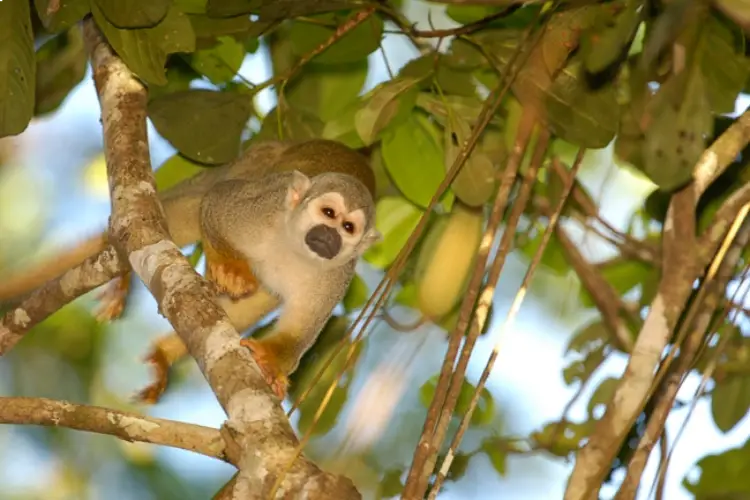
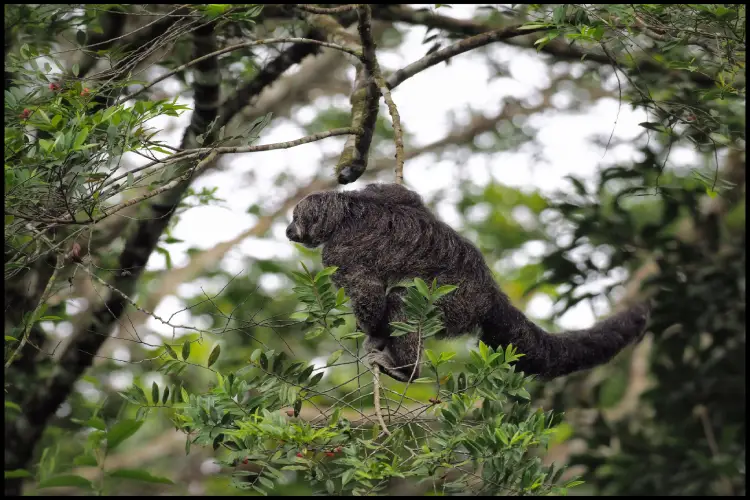
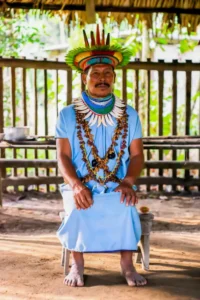 Early in the morning, we will enjoy a birdwatching activity to observe the rainforest awakening with the sounds and colors of Amazonian birdlife. After breakfast, we will spend the full day navigating upstream along the Lagartococha River, surrounded by extraordinary flora and fauna. Along the way, it is possible to observe wildlife such as howler monkeys, saki monkeys, and squirrel monkeys. After approximately two hours of navigation, we will arrive at one of the most remote Secoya communities, where we will share their way of life and learn about the preparation of casabe, the traditional cassava bread that is an important part of their culture.
In the afternoon, we will return to camp. If water levels are favorable, there will be time to swim in Delfincocha Lagoon, where, as its name suggests, pink river dolphins can often be spotted. After dinner, we will enjoy a talk about the ecosystems of Lagartococha and share experiences and stories with the camp guardian, gaining deeper insight into life in this remote region of the Amazon.
Journey to Yasuní National Park and Pink Dolphin Conservation
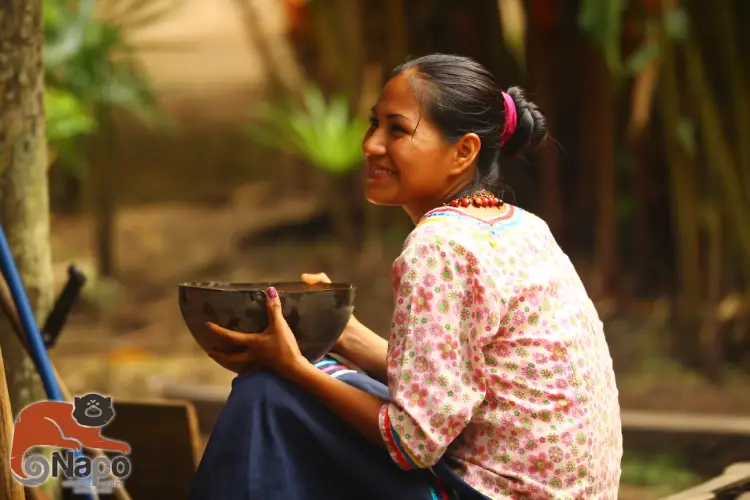
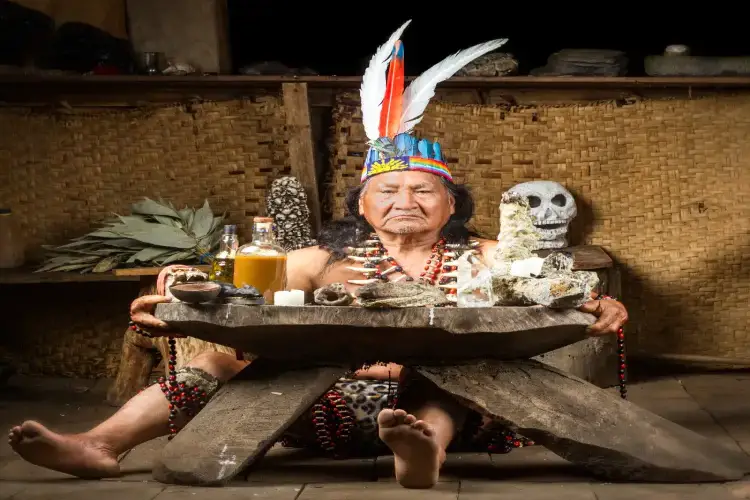
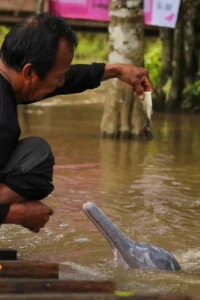 After breakfast, we will begin navigating downstream along the Lagartococha River and later the Aguarico River for approximately two hours until reaching Martinica, a Kichwa community where we will visit a pink river dolphin conservation project. Some of these fascinating creatures have become accustomed to living near the community, where they find a safer environment. During the visit, we will also have the opportunity to learn more about Kichwa traditions, handicrafts, and local customs while interacting with members of the community. A box lunch will be provided during the excursion.
In the afternoon, we will continue navigating until reaching the mighty Napo River, one of the main tributaries of the Amazon River. From there, we will travel upstream toward the entrance of Yasuní National Park before arriving at our next camping site. Dinner will be served in the evening, followed by an interpretive talk about the area and its remarkable rainforest ecosystems.
Exploring the Yasuní River and Jatuncocha Lagoon
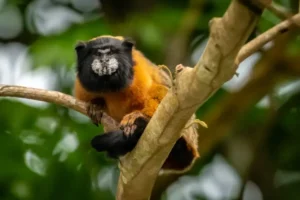 After breakfast, we will navigate along the Yasuní River, exploring the rainforest and its remarkable biodiversity until reaching Jatuncocha Lagoon, where there will be time to swim and enjoy the peaceful surroundings of the Amazon. A box lunch will be provided during the excursion before returning to camp in the afternoon.
Later in the evening, we will enjoy a night walk through the rainforest to discover the fascinating nocturnal wildlife and sounds of the jungle. Dinner will be served back at camp.
Farewell to the Amazon Rainforest
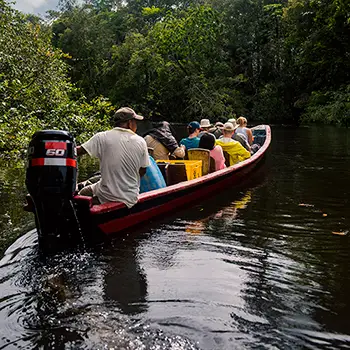
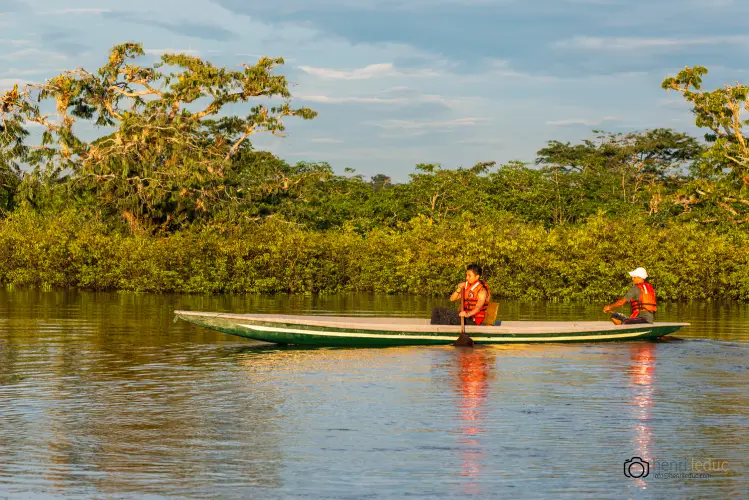
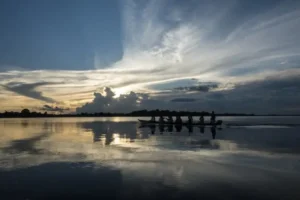 After breakfast, we will enjoy a short excursion to capture the last memories of this remote corner of the Amazon rainforest. Later, we will travel by canoe to Nuevo Rocafuerte, located along the mighty Napo River. Lunch will be provided before departing at 12:00 pm by speedboat for the return journey to Coca, with an estimated arrival around 4:30 pm.
Upon arrival, a transfer will be arranged from the port to the hotel in Coca. In the evening, we will gather for a farewell dinner to celebrate the unforgettable experiences shared throughout the expedition.
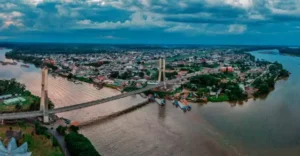 Return to Quito
After breakfast, we will enjoy a short walk along the waterfront promenade before transferring to the airport to take the return flight to Quito.