Tapir Lodge - 5 days / 4 nights
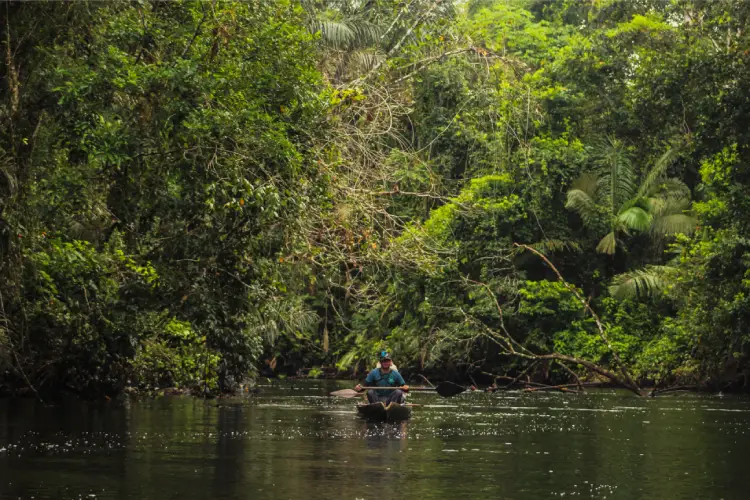
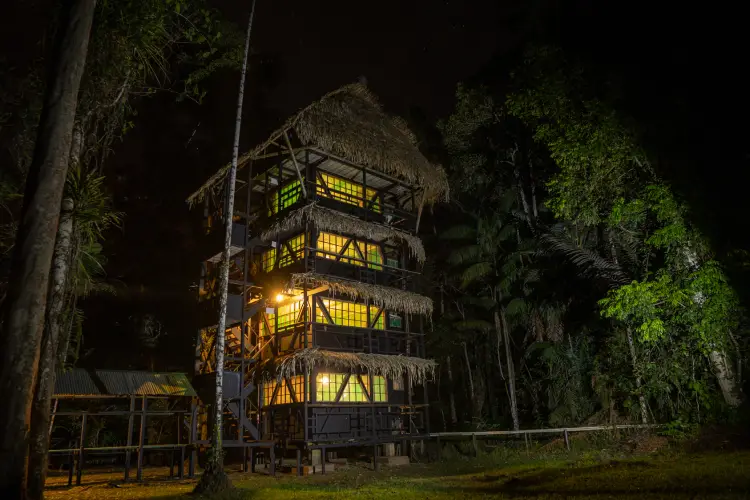
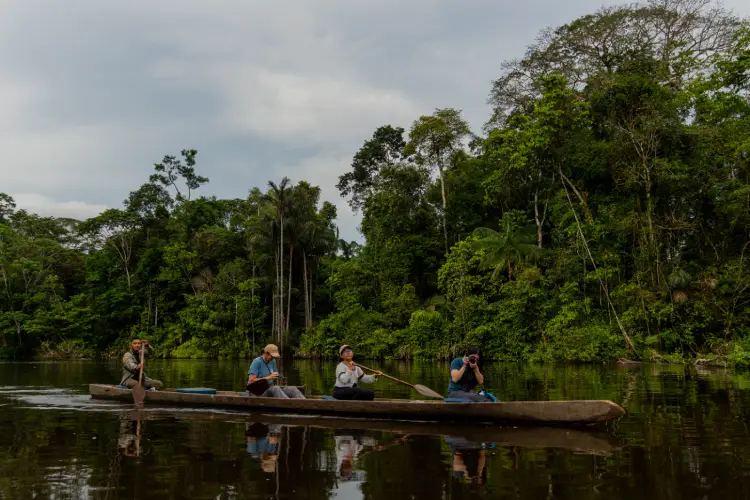
Tapir Lodge is located in the heart of the Cuyabeno Wildlife Reserve, one of the most biodiverse ecosystems in the Ecuadorian Amazon. Surrounded by blackwater rivers, lagoons, and primary rainforest, the lodge offers an authentic ecotourism experience rooted in conservation, scientific interpretation, and respect for ancestral knowledge.
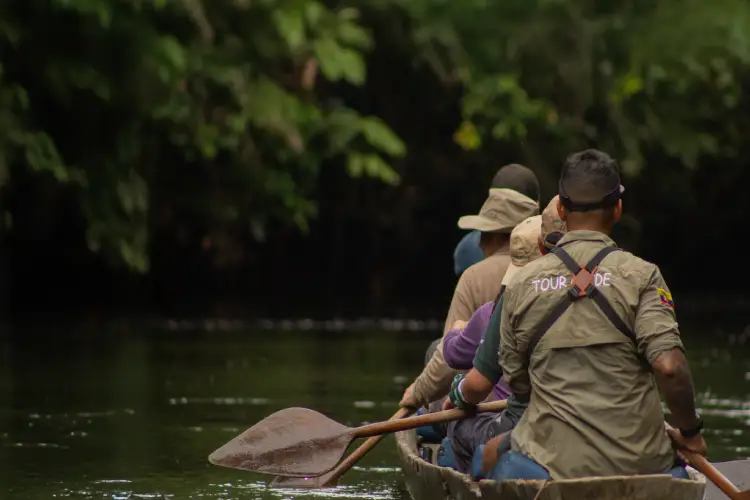
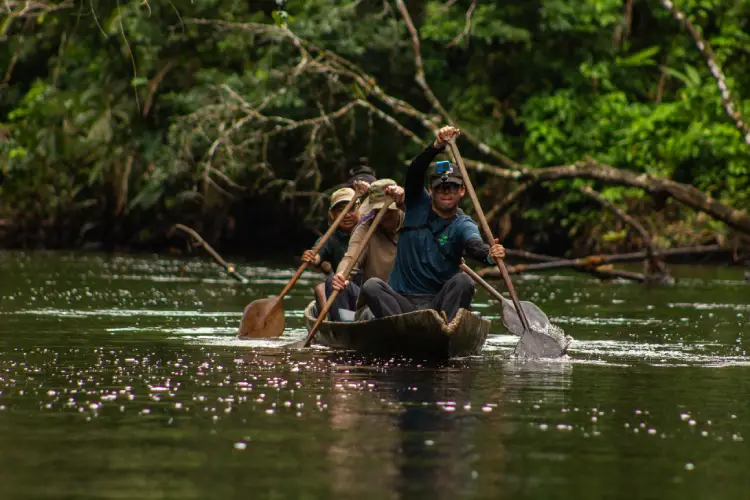
The Killas Experience revives the use of Killas, traditional dugout canoes carved from a single tree trunk and historically used by Amazonian Indigenous communities as their primary means of navigation. Exploring Cuyabeno aboard these vessels allows for a deep connection with the natural environment, river cycles, and Indigenous worldview. The program combines traditional navigation, wildlife observation, interpretive forest walks, and cultural encounters, offering a mindful, quiet, and meaningful way to discover the Amazon.
Itinerary
- Day 1
- Day 2
- Day 3
- Day 4
- Day 5
Day 1. First Encounter with the Amazon Rainforest
After a scenic 30-minute flight over the Eastern Andean Cordillera to Puerto Francisco de Orellana (El Coca), our expedition continues with a private overland transfer of approximately 3.5 hours.
Our adventure begins upon arrival at El Puente del Cuyabeno at around 2:00 pm, where there is a brief stop for a box lunch and final logistical preparations before entering the reserve by motorized canoe. Equipped with rain ponchos, life vests, and protected luggage, the expedition continues downstream along the narrow Cuyabeno River, a blackwater system rich in biodiversity.
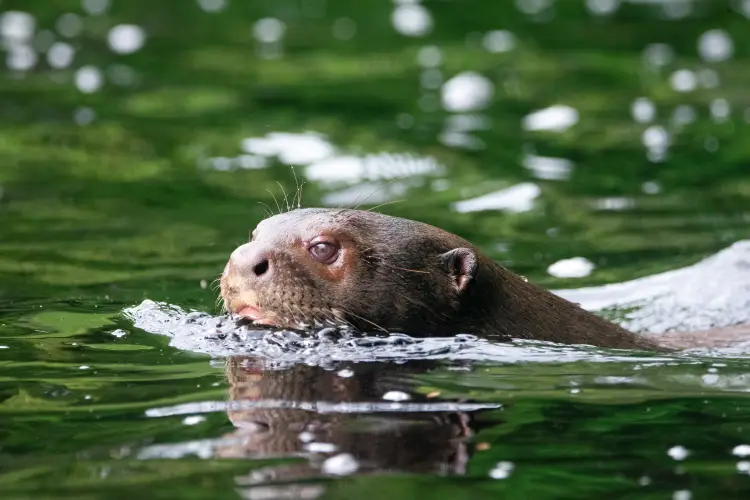
During the 2–3-hour navigation, guests have the opportunity to observe riparian forests, aquatic ecosystems, and a wide variety of flora and fauna, including birds, primates, reptiles, and aquatic species.
Upon arrival at the lodge, guests settle into their accommodations before dinner. In the evening, a comprehensive orientation is provided by the naturalist guide, introducing the ecological significance of the Cuyabeno Wildlife Reserve, the lodge’s conservation approach, and the scientific and interpretive activities planned for the following days.
-/L/D
Day 2. Morning Hike & Killas Navigation at Laguna Grande until Sunset
The day begins with a guided morning hike through primary rainforest, when temperatures are cooler and wildlife activity is high. Accompanied by our guide, we explore terra firme forest trails while learning about rainforest ecology, medicinal plants, animal tracks, and the complex interactions between flora and fauna. This walk offers excellent opportunities to observe birds, insects, amphibians, and primates, while gaining a deeper scientific and cultural understanding of the Amazon ecosystem.
In the afternoon, we shift to a more tranquil and immersive experience as we navigate Laguna Grande aboard Killas, traditional dugout canoes carved from a single tree trunk. Gliding silently across the blackwater lagoon allows for close observation of the flooded igapó forest, aquatic plants, and wildlife along the shoreline. As the day draws to a close, we pause to enjoy a spectacular Amazon sunset, when changing light, sounds, and animal behavior mark the transition from day to night—an unforgettable moment that highlights the serenity and natural rhythms of the rainforest.
B/L/D
Day 3. Birdwatching, Siona Community & Shaman Experience
Begin the morning with an early birdwatching excursion along the calm waters of the Cuyabeno River, paddling in traditional Killas canoes. This serene, silent navigation allows guests to observe a wide variety of Amazonian bird species, hear the calls of primates, and appreciate the peaceful beauty of the river and surrounding rainforest.
Return to the lodge for breakfast before heading to a Siona community, where guests engage in local traditions. Participate in the preparation of cassave bread (yuca), a staple of the Amazonian diet, while learning about sustainable practices and daily life along the river. This hands-on experience offers a meaningful connection to the indigenous culture and its relationship with the surrounding ecosystem.
In the afternoon, take a guided walk along the Ceibos Trail, exploring the forest beneath towering Ceibo trees. Observe the rich diversity of flora and fauna, from colorful birds and insects to amphibians and small mammals, while the guide explains the ecological processes that sustain this vibrant rainforest.
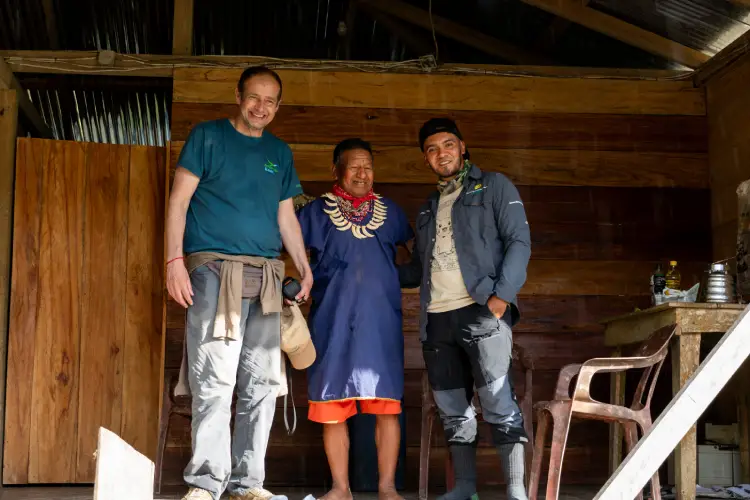
The day concludes with a visit to a local shaman, who shares knowledge of medicinal plants and ancestral healing practices. Guests gain insight into traditional Amazonian medicine and may have the opportunity to participate in a brief, optional healing demonstration, completing a full day of cultural immersion, ecological discovery, and rainforest exploration.
B/L/D
Day 4. Lagoons Day
This day is dedicated to exploring the lagoons of the Cuyabeno Reserve aboard Killas, traditional dugout canoes carved from a single tree trunk and historically used by Amazonian communities as their primary means of navigation. The experience begins with a quiet and unhurried journey through natural waterways, allowing for respectful wildlife observation and a deep connection with the surrounding environment.
Throughout the excursion, we visit several blackwater lagoons, including Laguna Grande, bordered by flooded igapó forest. These ecosystems provide excellent opportunities to observe aquatic birds, primates, reptiles, and a wide variety of plant species specially adapted to seasonal flooding. Traveling without motors enhances the sensory experience—the sounds of the forest, the movement of water, and the rhythm of nature—creating a peaceful and immersive encounter. The day may conclude with a sunset over the lagoon, an ideal moment to observe shifts in light, animal activity, and the tranquil beauty of the Amazon, bringing the day to a meaningful close rooted in ancestral navigation and rainforest ecology.
B/L/D
Day 5. Farewell to the Amazon – Return to Coca
Enjoy breakfast at 7:30 a.m. before preparing for your departure from Tapir Lodge, typically around 9:30 a.m.
On this final day, we will board a motorized canoe and navigate upriver, enjoying one last view of the landscapes and biodiversity of the Reserva de Producción Faunística Cuyabeno, until reaching the Cuyabeno Bridge.
Arrival at the bridge is scheduled for approximately 10:30 – 11:00 am, where you will connect with your transportation to Quito.
B/-/-
*Important Info: Itineraries are subject to change due to many different elements such as weather, park authorities and regulations, airline operations out of our control, guide experience, and safety concerns.
- INCLUDES
- NOT INCLUDED
- Motorized canoe transportation IN/OUT from El Puente de Cuyabeno to the Lodge and from the Lodge to El Puente de Cuyabeno.
- Guided tours with bilingual (English and Spanish) certified naturalist guides during all excursions.
- Accommodation in double room with private bathroom and hot water Shower
- Canoe rides
- 3 meals a day (by arrival and departure days, only box Lunch)
- Purified water, coffee, tea
- Daily excursion program
- Naturalist multilingual speaking guides (English, Spanish, German)
- Rubber boots, raincoats, lifesaver.
- WIFI in social areas.
- International flights
- Transfer to the meeting point in Quito
- Extra meals and extra drinks before and after the trip
- Excursions and activities not specified in the program
- Soft and alcoholic Drinks.
- Travel and health insurance. Tips. Extras
- Additional alcoholic beverages.
- Visit to the community & shaman USD 20 per person.
- Binoculars
- Transfer from Quito / to Quito Tourist bus.
- Flight Quito – Coca – Quito
- Alcoholic and bottled beverages.
- Tips, and personal expenses
- Transfer from Coca to – Cuyabeno Bridge
- 1 night accommodation in Coca at Gran Hotel del Lago with breakfast.
- Transfer to Coca Airport.
Prices are Per Person – 2026
Location:
Cuyabeno Wildlife Reserve
Start Days:
Mondays
Accommodation
- Tapir Lodge
- Standard
- Double Room (Matrimonial Bed or 2 Twin Beds)
Minimum 2 people
Single supplement +40%
Killas Experience
Tapir Lodge
4 days – 3 nights
Tapir Lodge
4 days – 3 nights
The Killas Experience with Tapir Lodge is an authentic Amazon adventure in the Cuyabeno Wildlife Reserve, ideal for travelers looking to connect with nature, culture, and the peaceful rhythm of the rainforest. During this 4-day / 3-night tour, guests explore
Killas Experience
Tapir Lodge
5 days – 4 nights
Tapir Lodge
5 days – 4 nights
During this 5-day / 4-night program, guests explore rivers, lagoons, and primary forest while navigating in traditional hand-crafted canoes known as Killas, once used by Indigenous communities of the Amazon. This experience combines quiet canoe navigation, wildlife observation, interpretive rainforest
Killas Experience
Waita Lodge
4 days – 3 nights
Waita Lodge
4 days – 3 nights
Designed for travelers seeking a deeper connection with nature, this 4-day / 3-night adventure takes you through winding rivers, hidden lagoons, and enchanting flooded forests aboard traditional dugout canoes known as Killas.
Gliding silently across the water, guests can experience the
Killas Experience
Waita Lodge
5 days – 4 nights
Waita Lodge
5 days – 4 nights
The Killas Experience with Waita Lodge is a deeper Amazon journey into the Cofán area of the Cuyabeno Wildlife Reserve, designed for travelers who want to explore the rainforest in a quiet, authentic, and respectful way. During this 5-day /