Blog

Lodges Ecuador

Discover the Fascinating Monkey Species in the Ecuadorian Amazon

The Ecuadorian Amazon is a vibrant ecosystem teeming with diverse wildlife. Among its most intriguing inhabitants are the monkeys. This article provides an in-depth examination of the different monkey species in the Ecuadorian Amazon, including their lifestyles, activities, and the importance of conservation efforts. Read on to uncover everything you need to know about these captivating primates.

Monkeys are a vital part of the Ecuadorian Amazon’s biodiversity. This article explores the various species, their habitats, behaviors, and the significance of conservation programs. Additionally, it highlights why visiting the Ecuadorian Amazon to see these monkeys is an unforgettable experience.

Where Are Monkeys Located in the Ecuadorian Amazon?

Monkeys can be found throughout the Ecuadorian Amazon, particularly in:

National Parks

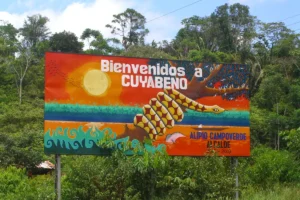
Areas like Yasuni National Park and Cuyabeno Wildlife Reserve are hotspots for monkey sightings. These protected areas offer rich biodiversity and excellent opportunities for wildlife viewing.

Protected Reserves

Various reserves offer guided tours and conservation programs, providing ample opportunities to observe monkeys. These include private reserves and community-managed areas dedicated to preserving wildlife.

Capuchin Monkey

Which Types of Monkeys Exist in the Ecuadorian Amazon?


Spider Monkeys

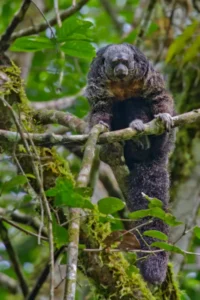
Spider monkeys are renowned for their long limbs and prehensile tails, which they employ to navigate the treetops with dexterity and elegance. The diet of these animals is primarily composed of fruits, although they also consume leaves, flowers, and insects. Notable species include the Ateles paniscus, commonly known as the black spider monkey, and the Ateles geoffroyi, commonly known as the brown spider monkey.

Howler Monkeys

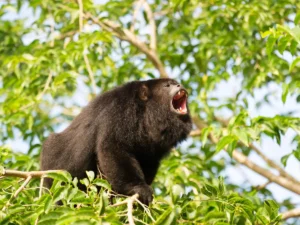
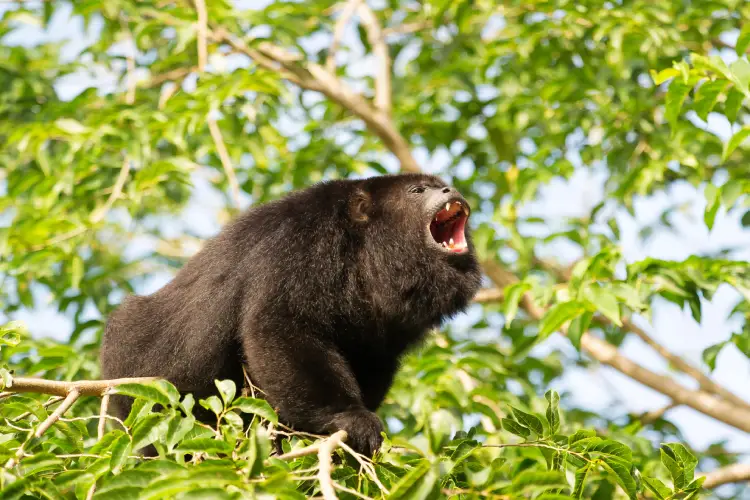
Howler monkeys, renowned for their booming calls, can be heard from considerable distances, indicating the demarcation of their territories and the maintenance of communication with their group.

Their diet is primarily composed of leaves, fruits, and flowers. The Ecuadorian Amazon is the habitat of two species of howler monkeys: the red howler and the black howler.

Squirrel Monkeys

These small, agile monkeys are known for traveling in large, dynamic groups, displaying complex social behaviors.

Their diet consists primarily of fruit and insects.

The Ecuadorian Amazon is home to two species of squirrel monkeys: the common squirrel monkey and the black-capped squirrel monkey.

Capuchin Monkeys

Capuchin monkeys are highly intelligent and resourceful, frequently employing tool use to obtain food.

Their diet is diverse, including fruits, nuts, insects, and small vertebrates.

Two of the most common species are the white-fronted capuchin and the brown capuchin.

Tamarins and Marmosets

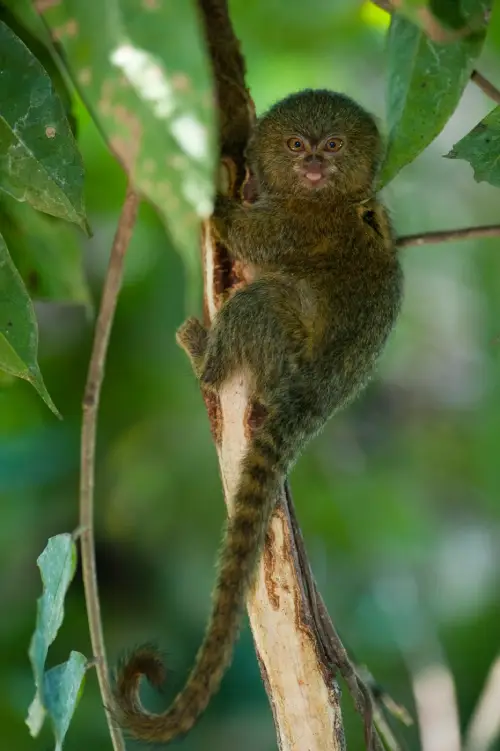
The tiny, colorful monkeys are known for their social behavior and vocal communication, which is often observed in tight-knit family groups.

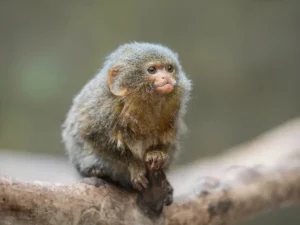
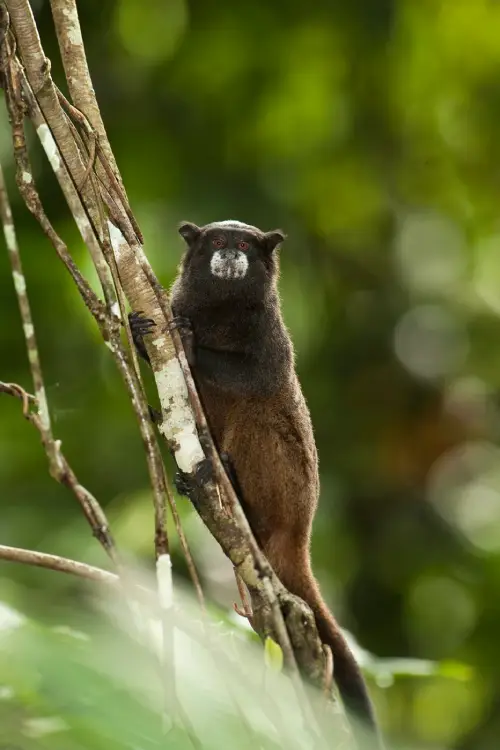
The diet of these monkeys includes fruits, insects, and tree sap. Notable species include the pygmy marmoset and the emperor tamarin

Conservationist Programs in the Ecuadorian Amazon

Conservation programs in the Ecuadorian Amazon are essential for protecting monkey populations and maintaining the region’s biodiversity. These programs address major threats such as deforestation, hunting, and habitat fragmentation. Here’s a closer look at some of the key initiatives:

Protected Areas

The establishment and maintenance of national parks and reserves is of crucial importance for the provision of safe habitats for monkeys. Protected areas such as Yasuni National Park and Cuyabeno Wildlife Reserve offer vast, undisturbed environments where monkeys can flourish. Furthermore, these parks serve as research and monitoring sites, facilitating the tracking of monkey populations and the study of their behaviours.

Anti-Poaching Efforts
The practice of poaching represents a significant threat to the populations of monkeys. In order to prevent illegal hunting, conservation programs implement stringent laws and patrols. Anti-poaching units are trained to identify and apprehend poachers, while community awareness campaigns help to reduce demand for monkey-related products. These measures are of the utmost importance for the continued survival of endangered species.

Reforestation Projects

The destruction of forests has a profound impact on the habitats of primates. Reforestation projects are designed to reverse the damage caused to areas by the planting of native trees and other vegetation. These projects not only provide food and shelter for primates but also help to mitigate climate change by capturing carbon dioxide. Reforestation initiatives are often conducted in collaboration with local communities, creating employment opportunities and promoting environmental stewardship.

Education and Awareness

Conservation efforts concentrate on instructing the general public about the significance of safeguarding primates and promoting sustainable practices. Education programs are directed towards educational institutions, communities, and tourists, increasing awareness about the ecological roles of monkeys and the dangers they face. By fostering a sense of ownership and responsibility, these programs encourage local communities to participate actively in conservation efforts.

Community Involvement
It is of vital importance to engage local communities in conservation efforts if the long-term success of such endeavors is to be ensured. Programs that engage indigenous and local populations facilitate the development of sustainable practices and economic alternatives to activities such as logging and hunting. Community-led conservation initiatives, such as ecotourism and sustainable agriculture, offer a dual benefit of generating income while preserving natural resources.

Research and Monitoring

Ongoing research and monitoring are essential for the accurate tracking of monkey populations and the elucidation of their behaviors and needs. Conservation programs facilitate the implementation of scientific studies that yield data on the health, reproduction, and habitat use of monkeys. This data is utilized to inform the formulation of conservation strategies and to facilitate their adaptation as necessary to address emerging threats.

Technological Advances

The use of technology, such as drones, GPS tracking, and camera traps, has revolutionized conservation efforts. These tools allow researchers to monitor monkey populations more effectively and gather data from hard-to-reach areas. Technological advances also enhance anti-poaching efforts by providing real-time surveillance and tracking of illegal activities.

International Collaboration

Collaboration with international organizations and overnments is a common feature of conservation efforts in the Ecuadorian Amazon. Such partnerships facilitate the provision of financial resources, technical expertise, and logistical support for the implementation of large-scale conservation projects. Furthermore, international collaboration facilitates the identification and resolution of cross-border threats, while also facilitating the dissemination of best practices.

Success Stories
Notable successes have been achieved in the field of conservation, with certain monkey species demonstrating population recoveries as a result of the implementation of effective protection measures. These success stories serve as models for future conservation efforts and demonstrate the importance of sustained commitment and community involvement.

Challenges and Future Directions

Despite the successes that have been achieved, conservation programs continue to face a number of ongoing challenges, including limitations in available funding, political instability, and the impact of climate change. Future directions include the expansion of protected areas, the enhancement of community engagement, and the utilization of new technologies to enhance conservation efforts. Continued research and adaptive management are essential for addressing the challenges currently facing monkey populations in the Ecuadorian Amazon and ensuring their long-term survival.

The conservation programs in the Ecuadorian Amazon are multifaceted and necessitate the collaboration of local communities, governments, and international organizations. By addressing the threats to monkey species and promoting sustainable practices, these programs play a crucial role in the protection of these species and the preservation of the region’s rich biodiversity.

Importance of Conservationist Programs

Biodiversity Maintenance

Monkeys play a crucial role in maintaining the ecological balance of the rainforest by dispersing seeds and controlling insect populations. Their presence helps ensure the health and diversity of the ecosystem.

Threat Mitigation

Conservation programs address threats such as deforestation, hunting, and habitat fragmentation, which pose significant risks to monkey populations. Initiatives include:

  • Protected Areas: Establishing and maintaining national parks and reserves.
  • Anti-Poaching Efforts: Implementing laws and patrols to prevent hunting.
  • Reforestation Projects: Planting trees to restore damaged habitats.

Education and Awareness

Conservation efforts help educate the public about the importance of protecting these primates and promote sustainable practices. Programs often involve local communities to create a sense of ownership and responsibility.

Why Travel to the Ecuadorian Amazon to See Monkeys?

Unique Wildlife Viewing

The Ecuadorian Amazon offers a unique opportunity to see these fascinating creatures in their natural habitat. Guided tours and eco-lodges provide access to prime viewing spots.

Support for Ecotourism

Visiting the Amazon supports local communities and conservation efforts, ensuring the protection of this vital ecosystem. Ecotourism provides an economic alternative to activities like logging and mining.

Adventure and Exploration

Experience the beauty and diversity of one of the world’s most biodiverse regions. The Amazon offers an unforgettable adventure with opportunities for hiking, canoeing, and wildlife photography.

The monkeys of the Ecuadorian Amazon are an integral part of the region's rich biodiversity. By learning about their species, lifestyles, and the importance of conservation, you can appreciate the vital role these primates play in the ecosystem. Whether you're a wildlife enthusiast or a curious traveler, the Ecuadorian Amazon offers an unforgettable adventure into the world of these fascinating creatures. Visit, explore, and contribute to the preservation of this incredible natural heritage.

Entry Requirements


The following information is provided by the Ministries of the Interior and Human Relations for citizens who wish to visit and get to know Ecuador.

Therefore, Responsible travel as a tour operator considers the following guidelines in order to generate a satisfactory experience on your trip through Ecuador. Nevertheless, please note that any requirement can change without prior notice, and it is the responsibility of each traveler to make sure to comply with the current requirements when entering the country.

Visa

The duration to visit the country is 90 days a year; if you are going to extend your visit, it is recommended to pay an extension.

List of countries that need a visa to enter Ecuador:

AfghanistanGuinea BissauRepublic of the Congo
AlbaniaHaitiDemocratic People’s Republic of Korea
Angola KenyaSenegal
BangladeshKyrgyzstanSierra Leone
CameroonIndiaSyria
ChadIraqSri Lanka
Ivory CoastIranSomalia
CubaLibyaSudan
EgyptMaliSouth Sudan
EritreaMauritaniaTajikistan
EthiopiaMyanmarUzbekistan
PhilippinesNigeriaVenezuela
GambiaPakistanVietnam
GhanaNepalYemen
GuineaDemocratic Republic of the Congo 

Applying for a visa

In case of applying for a visa and being able to enter the country. Please contact the following emails: consejeria@cancilleria.gob.ec and citasvisas@cancilleriga.gob.ec.

For more information, there are links to Ecuadorian embassies as well as foreign embassies within the country.

In the case of entering the country by land or river

The Government, through its Ministries, provides that foreign citizens who enter the country through the land or river borders of Colombia and Peru may present their apostilled certificate indicating that they do not have a criminal record; this certificate must have been issued in their country of origin or residence in the last five years.  or in turn request the review of the corresponding information through the Ecuadorian Migration System (SIMIEC).

The following individuals are exempt from filing

  • Holders of a valid Ecuadorean visa
  • Holders of diplomatic passports
  • Children and adolescents under 18
  • Victims of human trafficking.

COVID-19 rules

There is not a COVID certificate needed at the moment, but if you experience symptoms prior to your trip, you can complete a health application and bring it to the airport.

Conditions for passport validity

The passport must be valid for at least half a year. Access is restricted without a valid or reported lost document

 Galapagos Islands

People could visit until 60 days. For enter, you need to present:

Foreign Exchange

When you leave the country, you must declare the foreign exchange if you exceed the aggregate of $1,380.

Personal ID

As a regular law, you must carry your identification. Always keep a copy of your passport, with the pages containing your photo and Ecuadorian entrance stamp.


Output Requirements


Departure of Foreign Citizens

  1. Valid passport
  2. Ticket Flight

Departure of national and foreign minors

Ecuadorian children and adolescents and resident foreigners may leave the national territory under the following conditions:

  • Accompanied by their parents, legal guardians, or whoever exercises parental authority, or with one of their parents with prior notarial or judicial authorization from those who are not traveling with them.
  • Alone or with third parties with the prior authorization of the parents, guardians, or those who exercise parental authority.


lenguage

The native language is Spanish. Some indigenous people speak Spanish, Quechua, and English. The indigenous communities living in the jungle speak their languages and dialects.

At Responsible Travel, we are trained to provide the best experience to the tourist. For this reason, our team of guides is bilingual, as are most of our suppliers (hotels and restaurants).