Exploring the Amazon in Ecuador: Cuyabeno Fauna Reserve
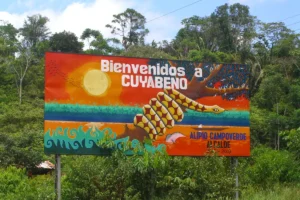
Would you want to learn about one of the most interesting and biodiverse places in the Amazon of Ecuador? Discover the Cuyabeno Wildlife Reserve in this article, a wonderful location where wildlife and nature coexist in perfect harmony. Join us on this trip and explore the best of the Amazon in Ecuador!
A Natural Treasure
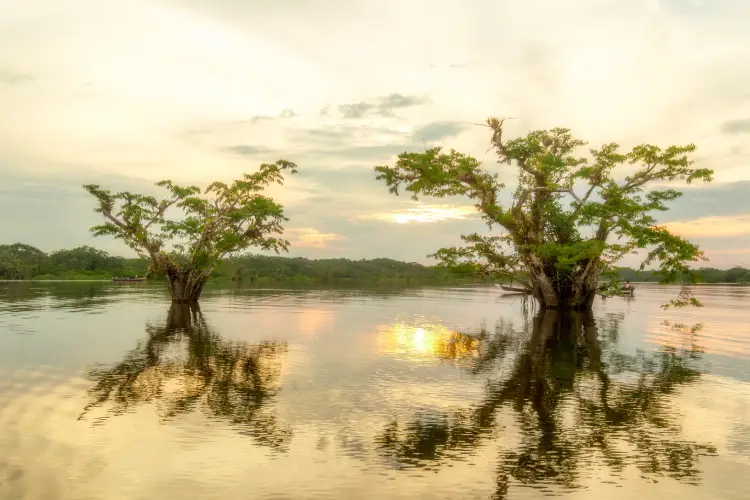
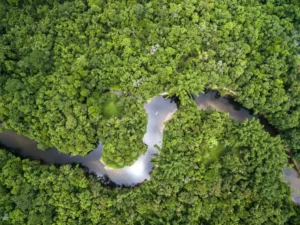
The Ecuadorian Amazon is an enormous area that is part of the Amazon region, known as the world’s “green lung.” This area is known for its deep tropical rainforest, big rivers, and incredible biodiversity. The Cuyabeno Wildlife Reserve is one of Ecuador’s most important protected areas. Located in the province of Sucumbíos, this reserve extends over 600,000 hectares of rainforest and wetlands, providing a safe haven for a wide variety of species.
Incredible Biodiversity
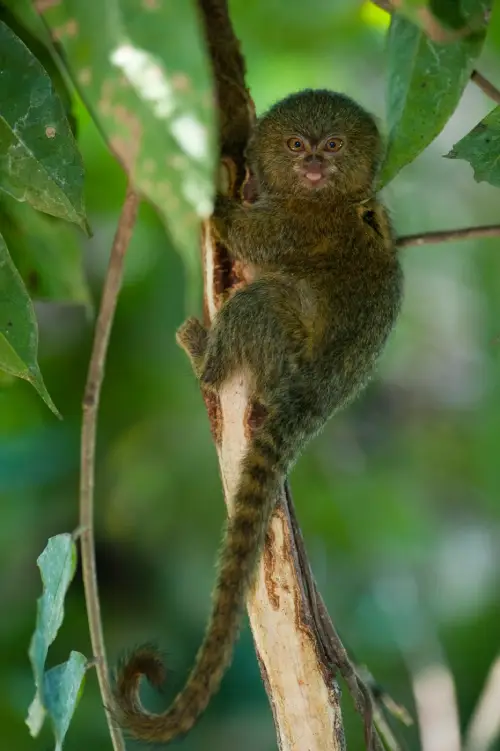
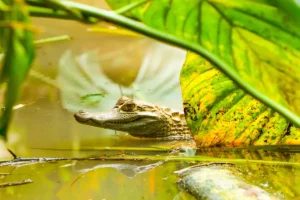
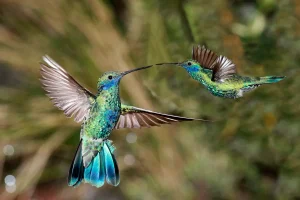
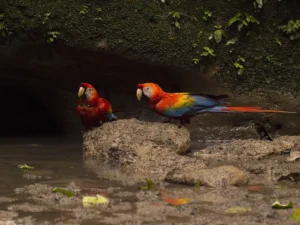
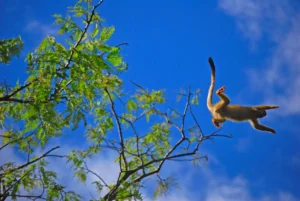
The region is home to thousands of species of plants, animals, insects, and birds, many of which are endemic. The Ecuadorian Amazon is one of the most biodiverse places on the planet, providing crucial habitats for endangered species.
Why Visit the Ecuadorian Amazon?
Connection with Nature
Visiting the Ecuadorian Amazon allows you to connect with nature in a profound and authentic way. Here, you can experience the rainforest in its purest state and observe species found nowhere else in the world.
Responsible Tourism
The Ecuadorian Amazon is an ideal destination for ecological and responsible tourism. Many of the tourism activities are designed to minimize environmental impact and promote the conservation of natural resources.
What activities can you do in the Cuyabeno Wildlife Reserve?
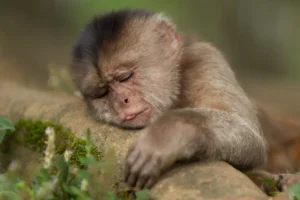
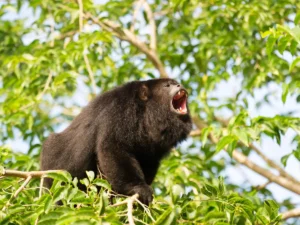
Fauna and Flora Observation
The Cuyabeno Wildlife Reserve is a paradise for nature lovers. You can participate in guided excursions to observe a variety of animal and plant species, many of which are found nowhere else in the world.
Canoeing
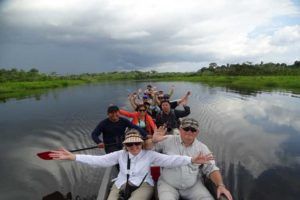
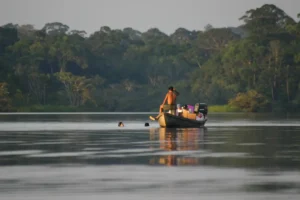
Explore the rivers and lagoons of Cuyabeno by canoe, one of the most exciting and authentic ways to experience the rainforest. During these trips, you will have the opportunity to see pink dolphins and other aquatic animals in their natural habitat.
Jungle Walks
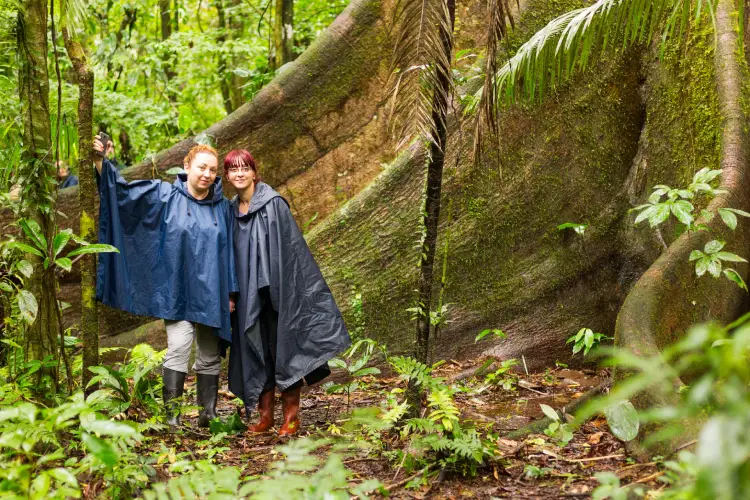
Venture into the jungle with guided walks that allow you to discover the incredible diversity of plants and animals. Learn about medicinal plants and the importance of the rainforest to local communities.
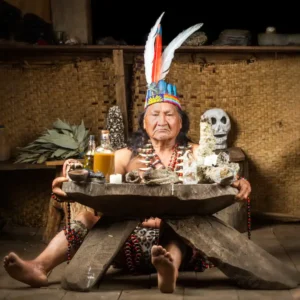
Visits to Indigenous Communities
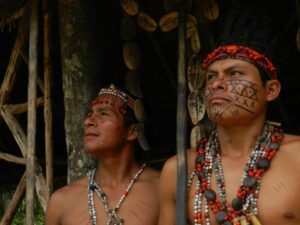
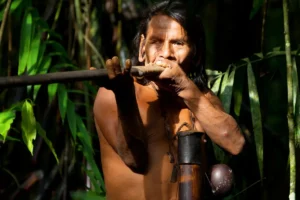
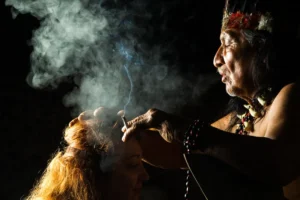
One of the most enriching experiences is visiting the indigenous communities that live in the Cuyabeno Wildlife Reserve. Learn about their culture, traditions, and their powerful connection with nature.
Exploring the Cuyabeno Wildlife Reserve is a unique experience that connects you deeply with nature and biodiversity. This destination not only offers you the opportunity to see extraordinary species but also to learn about the importance of conservation and responsible tourism. An unforgettable adventure in one of the world’s most valuable ecosystems awaits.
Therefore, Responsible travel as a tour operator considers the following guidelines in order to generate a satisfactory experience on your trip through Ecuador. Nevertheless, please note that any requirement can change without prior notice, and it is the responsibility of each traveler to make sure to comply with the current requirements when entering the country.
Visa
The duration to visit the country is 90 days a year; if you are going to extend your visit, it is recommended to pay an extension.
List of countries that need a visa to enter Ecuador:
Afghanistan
Guinea Bissau
Republic of the Congo
Albania
Haiti
Democratic People’s Republic of Korea
Angola
Kenya
Senegal
Bangladesh
Kyrgyzstan
Sierra Leone
Cameroon
India
Syria
Chad
Iraq
Sri Lanka
Ivory Coast
Iran
Somalia
Cuba
Libya
Sudan
Egypt
Mali
South Sudan
Eritrea
Mauritania
Tajikistan
Ethiopia
Myanmar
Uzbekistan
Philippines
Nigeria
Venezuela
Gambia
Pakistan
Vietnam
Ghana
Nepal
Yemen
Guinea
Democratic Republic of the Congo
Applying for a visa
In case of applying for a visa and being able to enter the country. Please contact the following emails: consejeria@cancilleria.gob.ec and citasvisas@cancilleriga.gob.ec.
For more information, there are links to Ecuadorian embassies as well as foreign embassies within the country.
In the case of entering the country by land or river
The Government, through its Ministries, provides that foreign citizens who enter the country through the land or river borders of Colombia and Peru may present their apostilled certificate indicating that they do not have a criminal record; this certificate must have been issued in their country of origin or residence in the last five years. or in turn request the review of the corresponding information through the Ecuadorian Migration System (SIMIEC).
The following individuals are exempt from filing
Holders of a valid Ecuadorean visa
Holders of diplomatic passports
Children and adolescents under 18
Victims of human trafficking.
COVID-19 rules
There is not a COVID certificate needed at the moment, but if you experience symptoms prior to your trip, you can complete a health application and bring it to the airport.
Conditions for passport validity
The passport must be valid for at least half a year. Access is restricted without a valid or reported lost document
Galapagos Islands
People could visit until 60 days. For enter, you need to present:
A hotel reservation
Your booking flight (roundtrip) to the Ecuadorean mainland
When you leave the country, you must declare the foreign exchange if you exceed the aggregate of $1,380.
Personal ID
As a regular law, you must carry your identification. Always keep a copy of your passport, with the pages containing your photo and Ecuadorian entrance stamp.
Output Requirements
Departure of Foreign Citizens
Valid passport
Ticket Flight
Departure of national and foreign minors
Ecuadorian children and adolescents and resident foreigners may leave the national territory under the following conditions:
Accompanied by their parents, legal guardians, or whoever exercises parental authority, or with one of their parents with prior notarial or judicial authorization from those who are not traveling with them.
Alone or with third parties with the prior authorization of the parents, guardians, or those who exercise parental authority.
lenguage
The native language is Spanish. Some indigenous people speak Spanish, Quechua, and English. The indigenous communities living in the jungle speak their languages and dialects.
At Responsible Travel, we are trained to provide the best experience to the tourist. For this reason, our team of guides is bilingual, as are most of our suppliers (hotels and restaurants).
Menu
Need help ?
1
Hello, thanks for visiting our website, we will gladly help you with information about the Lodges in Ecuador Tell us about your concerns...