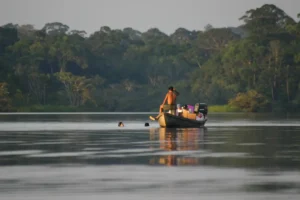




Conservationist Programs in the Ecuadorian Amazon
Conservation programs in the Ecuadorian Amazon are essential for protecting monkey populations and maintaining the region’s biodiversity. These programs address major threats such as deforestation, hunting, and habitat fragmentation. Here’s a closer look at some of the key initiatives:
Protected Areas
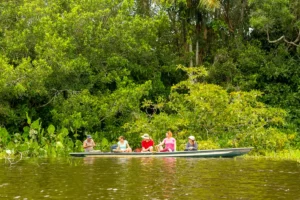
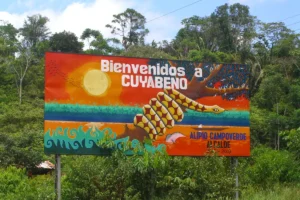
The establishment and maintenance of national parks and reserves is of crucial importance for the provision of safe habitats for monkeys. Protected areas such as Yasuni National Park and Cuyabeno Wildlife Reserve offer vast, undisturbed environments where monkeys can flourish. Furthermore, these parks serve as research and monitoring sites, facilitating the tracking of monkey populations and the study of their behaviours.
Anti-Poaching Efforts
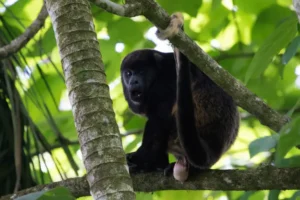 The practice of poaching represents a significant threat to the populations of monkeys. In order to prevent illegal hunting, conservation programs implement stringent laws and patrols. Anti-poaching units are trained to identify and apprehend poachers, while community awareness campaigns help to reduce demand for monkey-related products. These measures are of the utmost importance for the continued survival of endangered species.
Reforestation Projects
The destruction of forests has a profound impact on the habitats of primates. Reforestation projects are designed to reverse the damage caused to areas by the planting of native trees and other vegetation. These projects not only provide food and shelter for primates but also help to mitigate climate change by capturing carbon dioxide. Reforestation initiatives are often conducted in collaboration with local communities, creating employment opportunities and promoting environmental stewardship.
Education and Awareness
Conservation efforts concentrate on instructing the general public about the significance of safeguarding primates and promoting sustainable practices. Education programs are directed towards educational institutions, communities, and tourists, increasing awareness about the ecological roles of monkeys and the dangers they face. By fostering a sense of ownership and responsibility, these programs encourage local communities to participate actively in conservation efforts.
Community Involvement
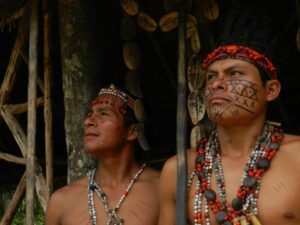
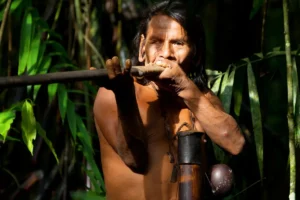
 It is of vital importance to engage local communities in conservation efforts if the long-term success of such endeavors is to be ensured. Programs that engage indigenous and local populations facilitate the development of sustainable practices and economic alternatives to activities such as logging and hunting. Community-led conservation initiatives, such as ecotourism and sustainable agriculture, offer a dual benefit of generating income while preserving natural resources.
Research and Monitoring
Ongoing research and monitoring are essential for the accurate tracking of monkey populations and the elucidation of their behaviors and needs. Conservation programs facilitate the implementation of scientific studies that yield data on the health, reproduction, and habitat use of monkeys. This data is utilized to inform the formulation of conservation strategies and to facilitate their adaptation as necessary to address emerging threats.
Technological Advances
The use of technology, such as drones, GPS tracking, and camera traps, has revolutionized conservation efforts. These tools allow researchers to monitor monkey populations more effectively and gather data from hard-to-reach areas. Technological advances also enhance anti-poaching efforts by providing real-time surveillance and tracking of illegal activities.
International Collaboration
Collaboration with international organizations and overnments is a common feature of conservation efforts in the Ecuadorian Amazon. Such partnerships facilitate the provision of financial resources, technical expertise, and logistical support for the implementation of large-scale conservation projects. Furthermore, international collaboration facilitates the identification and resolution of cross-border threats, while also facilitating the dissemination of best practices.
Success Stories
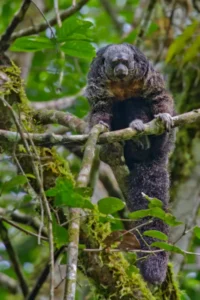 Notable successes have been achieved in the field of conservation, with certain monkey species demonstrating population recoveries as a result of the implementation of effective protection measures. These success stories serve as models for future conservation efforts and demonstrate the importance of sustained commitment and community involvement.
Challenges and Future Directions
Despite the successes that have been achieved, conservation programs continue to face a number of ongoing challenges, including limitations in available funding, political instability, and the impact of climate change. Future directions include the expansion of protected areas, the enhancement of community engagement, and the utilization of new technologies to enhance conservation efforts. Continued research and adaptive management are essential for addressing the challenges currently facing monkey populations in the Ecuadorian Amazon and ensuring their long-term survival.
The conservation programs in the Ecuadorian Amazon are multifaceted and necessitate the collaboration of local communities, governments, and international organizations. By addressing the threats to monkey species and promoting sustainable practices, these programs play a crucial role in the protection of these species and the preservation of the region’s rich biodiversity.