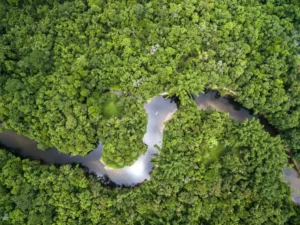
The Yasuni National Park in Ecuador is known not just for its abundant biodiversity and fauna, but also for the vibrant indigenous communities who live there. This article will look at the lives of these communities, their traditions, and their critical role in protecting Yasuni’s unique ecosystem.
Overview: Discover the Indigenous Communities of Yasuni. This essay will introduce you to the interesting world of Yasuni’s indigenous communities. We’ll look at how these people live, what distinguishes their culture, when is the best time to visit, how much time to spend with them, why their preservation is critical, and where they are located in Yasuni.
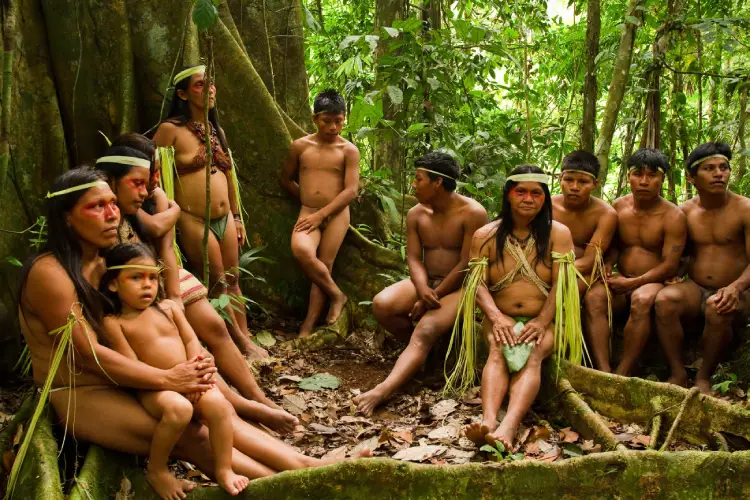
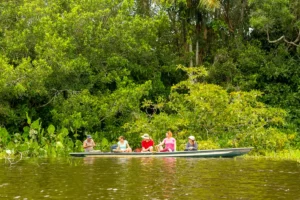
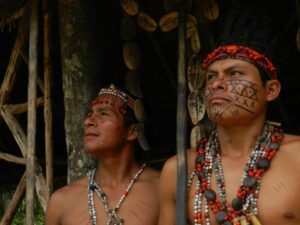
How do Yasuni’s indigenous communities live? Traditional Lifestyles: Indigenous populations such as the Huaorani, Kichwa, and Shuar practice traditional modes of life that are inextricably linked to the forest. Sustainable Practices: These societies conduct sustainable hunting, fishing, and agriculture to protect their environment.
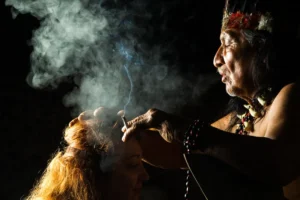
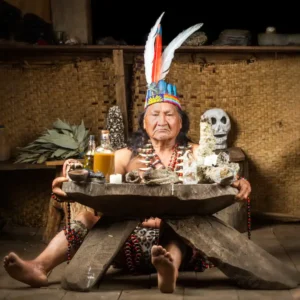
Cultural Activities: Participate in traditional ceremonies, crafts, and storytelling to gain a deeper understanding of their way of life.
What Makes Yasuni’s Indigenous Cultures Unique? Language & Customs: Each society has developed its own language, customs, and social structures that have been passed down through centuries.
Ethnobotanical Knowledge:They have a thorough understanding of medicinal plants and the usage of many wildlife species, which contributes to biodiversity conservation.
Art and craftsmanship: The beautiful beadwork, pottery, and carvings represent their strong connection to nature and cultural heritage.
When is the best time to visit Yasuni’s indigenous communities? The dry season runs from December to March, providing easier access and more comfortable conditions for interaction with locals.
Wet Season: From April to November, the environment is lush, although travel conditions may be tricky.
How Much Time Should You Spend With Indigenous Communities?
Short Visits: A stay of 2-3 days might be an excellent introduction to their way of life and traditions. Extended Stays: Spending a week or more provides for a better understanding and immersion in their culture and daily routines.
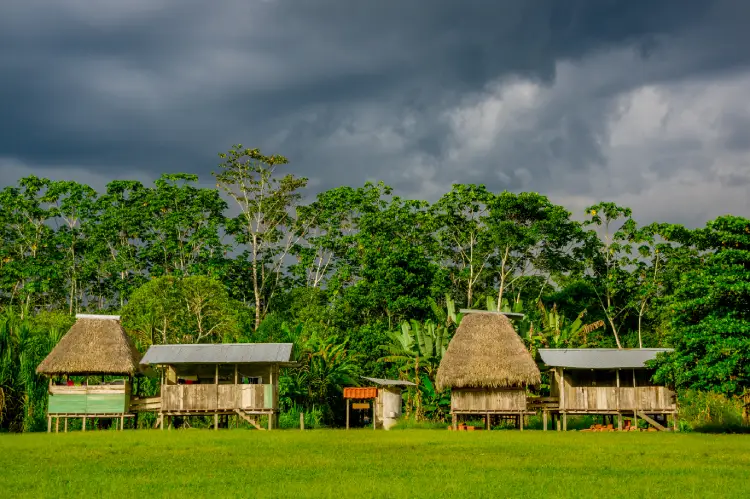
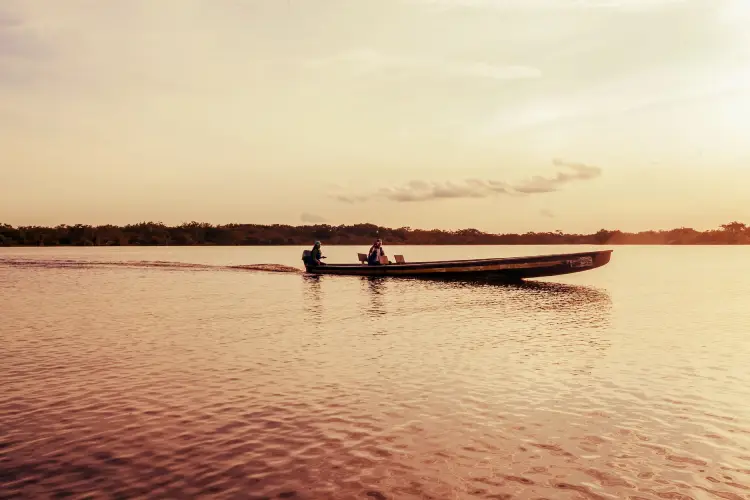
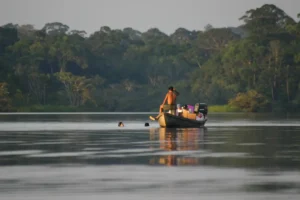
Why is it so important to preserve Yasuni’s indigenous communities? Cultural Heritage: These communities are living in a repository of traditional knowledge and traditions. Environmental stewardship:Their sustainable methods are critical to the preservation of Yasuni’s unique biodiversity and animals. Human Rights: Ensuring their freedom to live according to their traditions is critical to preserving their identity and individuality. Where are Yasuni’s indigenous communities located? Geographic Distribution: Indigenous settlements are spread across Yasuni National Park, with some accessible through guided tours and eco-lodges. Key Locations: These communities are known to live in the Napo River basin and the park’s deeper sections.
Therefore, Responsible travel as a tour operator considers the following guidelines in order to generate a satisfactory experience on your trip through Ecuador. Nevertheless, please note that any requirement can change without prior notice, and it is the responsibility of each traveler to make sure to comply with the current requirements when entering the country.
Visa
The duration to visit the country is 90 days a year; if you are going to extend your visit, it is recommended to pay an extension.
List of countries that need a visa to enter Ecuador:
Afghanistan
Guinea Bissau
Republic of the Congo
Albania
Haiti
Democratic People’s Republic of Korea
Angola
Kenya
Senegal
Bangladesh
Kyrgyzstan
Sierra Leone
Cameroon
India
Syria
Chad
Iraq
Sri Lanka
Ivory Coast
Iran
Somalia
Cuba
Libya
Sudan
Egypt
Mali
South Sudan
Eritrea
Mauritania
Tajikistan
Ethiopia
Myanmar
Uzbekistan
Philippines
Nigeria
Venezuela
Gambia
Pakistan
Vietnam
Ghana
Nepal
Yemen
Guinea
Democratic Republic of the Congo
Applying for a visa
In case of applying for a visa and being able to enter the country. Please contact the following emails: consejeria@cancilleria.gob.ec and citasvisas@cancilleriga.gob.ec.
For more information, there are links to Ecuadorian embassies as well as foreign embassies within the country.
In the case of entering the country by land or river
The Government, through its Ministries, provides that foreign citizens who enter the country through the land or river borders of Colombia and Peru may present their apostilled certificate indicating that they do not have a criminal record; this certificate must have been issued in their country of origin or residence in the last five years. or in turn request the review of the corresponding information through the Ecuadorian Migration System (SIMIEC).
The following individuals are exempt from filing
Holders of a valid Ecuadorean visa
Holders of diplomatic passports
Children and adolescents under 18
Victims of human trafficking.
COVID-19 rules
There is not a COVID certificate needed at the moment, but if you experience symptoms prior to your trip, you can complete a health application and bring it to the airport.
Conditions for passport validity
The passport must be valid for at least half a year. Access is restricted without a valid or reported lost document
Galapagos Islands
People could visit until 60 days. For enter, you need to present:
A hotel reservation
Your booking flight (roundtrip) to the Ecuadorean mainland
When you leave the country, you must declare the foreign exchange if you exceed the aggregate of $1,380.
Personal ID
As a regular law, you must carry your identification. Always keep a copy of your passport, with the pages containing your photo and Ecuadorian entrance stamp.
Requisitos de salida
Departure of Foreign Citizens
Valid passport
Ticket Flight
Departure of national and foreign minors
Ecuadorian children and adolescents and resident foreigners may leave the national territory under the following conditions:
Accompanied by their parents, legal guardians, or whoever exercises parental authority, or with one of their parents with prior notarial or judicial authorization from those who are not traveling with them.
Alone or with third parties with the prior authorization of the parents, guardians, or those who exercise parental authority.
lenguage
The native language is Spanish. Some indigenous people speak Spanish, Quechua, and English. The indigenous communities living in the jungle speak their languages and dialects.
At Responsible Travel, we are trained to provide the best experience to the tourist. For this reason, our team of guides is bilingual, as are most of our suppliers (hotels and restaurants).
Menu
Necesitas ayuda?
1
Hola, gracias por visitar nuestro sitio web, con gusto te ayudaremos con información sobre los Lodges en Ecuador Cuéntanos tus inquietudes...