Discover traditional foods of the Ecuadorian Amazon
You can imagine spectacular wildlife and beautiful rainforests when you think of the Ecuadorian Amazon. However, there’s more treasure awaiting exploration: the many culinary customs. This article will examine the traditional Amazonian dishes of Ecuador, their distinctive ingredients, and their cultural significance. Explore how these gastronomic treats might improve your travel and dining experiences in this fascinating area.
How Are Customary Amazonian Dishes Made in Ecuador?
Traditional Amazonian cuisines in Ecuador combine regional ingredients with indigenous cooking methods. Frequently, the planning entails:
Natural Ingredients: Utilizing a range of fish and fresh forest fruit, such as plantains and yucca.
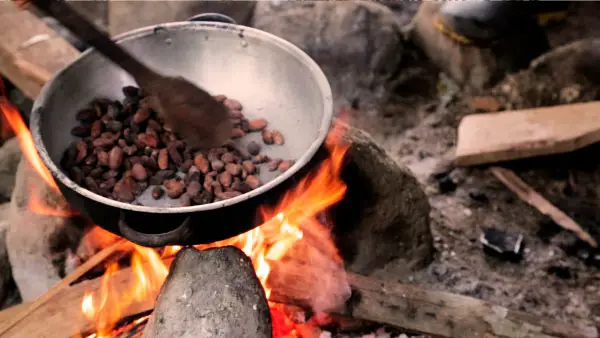
Cooking Methods: To preserve natural flavors, conventional cooking methods including grilling, boiling, and steaming require little to no oil.
Herbs and Spices: Local herbs and spices are essential for giving food taste and variety.
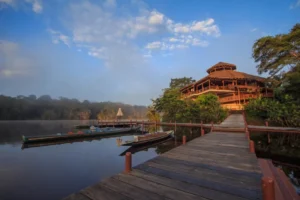
You may get a firsthand look at these practices in our Amazonian lodges, which offer an immersive experience of the local way of life.
What Are the traditional foods of the Ecuadorian Amazon that should not be missed?
Your culinary journey in the Ecuadorian Amazon isn’t complete without trying this iconic food:
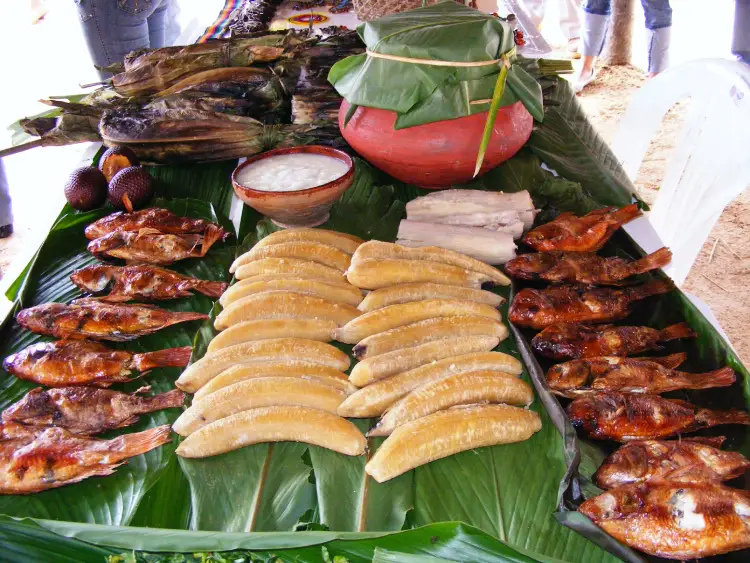
Maito: Fish or meat wrapped in banana leaves and cooked over an open fire.
Chontacuro: Grilled larvae of the chonta palm, known for its unique flavor and nutritional benefits.
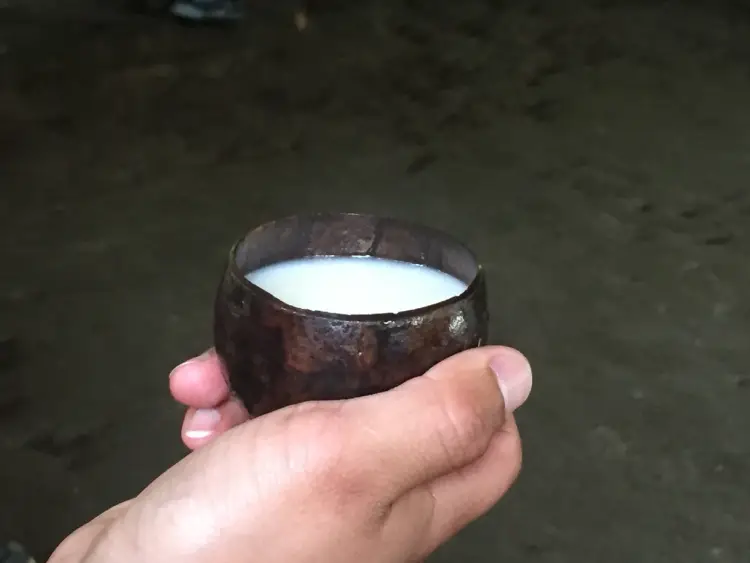
Chicha de Yuca: A traditional fermented drink made from yucca, often enjoyed during communal gatherings.
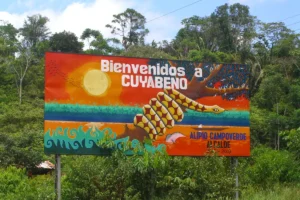
Casabe, the fresh bread of Cuyabeno: This dish is favored by the Siona and Secoya in many Amazonian settlements. The women in the neighborhood make it. It’s a thin tortilla made with freshly grated cassava root. The reason for its very deep flavor is that the yucca is picked just before cooking.
Guayusa tea: Made into an infusion. This traditional plant comes from the Amazon rainforest in Ecuador and has stimulating antioxidant and invigorating qualities. In addition to being promoted nationally, it is currently enthralling overseas consumers.
These foods not only delight the palate but also offer a glimpse into the cultural fabric of the region.
When can be visited The Ecuadorian Amazon?
The Ecuadorian Amazon can be visited year-round, but the best time for culinary exploration is during local festivals and harvest seasons:
Dry Season (June to November): Easier access to remote areas and a variety of fresh ingredients available.
Festivals: Participating in festivals allows you to experience a wider array of traditional dishes and learn about their cultural significance.
Although you can visit the Ecuadorian Amazon year-round, local festivals and harvest seasons are the ideal times to explore the local cuisine:
Dry Season (June to November): More fresh foods are available and travel to isolated locations is easier. 2. Festivals: Attending festivals enables you to sample a greater variety of traditional foods and discover the cultural importance of each one.
Why Should You Explore Traditional Ecuadorian Amazonian Cuisine?
Cultural Immersion: Learning about local customs, traditions, and daily life through food is a great way to start.
Supporting regional cuisine: encourages sustainable tourism and aids in the preservation of indigenous cultures.
Distinct Flavors: The Amazon is a one-of-a-kind culinary destination because it offers tastes and ingredients that are unavailable elsewhere.
By enjoying these foods, you’re enhancing your knowledge of a dynamic culture in addition to providing nourishment for your body.
With our travel packages, you may fully immerse yourself in these cultural experiences.
To experience the best traditional Ecuadorian Amazon food, visit:
Lodges and Eco-Tours: Many lodges offer meals prepared using traditional methods and ingredients.
Local Restaurants or Markets: Seek out local eateries known for their authentic Amazonian cuisine.
Community Tours: Engage in community-led tours that provide home-cooked meals, offering an intimate look at local life.
Taking a gastronomic trip across Ecuador's Amazon will undoubtedly enhance your travel experience by introducing you to local stories and flavors that speak to the region's spirit and essence. You get more than just a meal when you learn about the traditional Amazonian foods of Ecuador; you also get an understanding of a culture that is closely entwined with the environment. Prepare for an incredible voyage through the flavors of the Amazon by packing your baggage and bringing a voracious hunger
On our tours, you will explore these places and we will guarantee authentic Amazon flavors, prepared with care and tradition.
Therefore, Responsible travel as a tour operator considers the following guidelines in order to generate a satisfactory experience on your trip through Ecuador. Nevertheless, please note that any requirement can change without prior notice, and it is the responsibility of each traveler to make sure to comply with the current requirements when entering the country.
Visa
The duration to visit the country is 90 days a year; if you are going to extend your visit, it is recommended to pay an extension.
List of countries that need a visa to enter Ecuador:
Afghanistan
Guinea Bissau
Republic of the Congo
Albania
Haiti
Democratic People’s Republic of Korea
Angola
Kenya
Senegal
Bangladesh
Kyrgyzstan
Sierra Leone
Cameroon
India
Syria
Chad
Iraq
Sri Lanka
Ivory Coast
Iran
Somalia
Cuba
Libya
Sudan
Egypt
Mali
South Sudan
Eritrea
Mauritania
Tajikistan
Ethiopia
Myanmar
Uzbekistan
Philippines
Nigeria
Venezuela
Gambia
Pakistan
Vietnam
Ghana
Nepal
Yemen
Guinea
Democratic Republic of the Congo
Applying for a visa
In case of applying for a visa and being able to enter the country. Please contact the following emails: consejeria@cancilleria.gob.ec and citasvisas@cancilleriga.gob.ec.
For more information, there are links to Ecuadorian embassies as well as foreign embassies within the country.
In the case of entering the country by land or river
The Government, through its Ministries, provides that foreign citizens who enter the country through the land or river borders of Colombia and Peru may present their apostilled certificate indicating that they do not have a criminal record; this certificate must have been issued in their country of origin or residence in the last five years. or in turn request the review of the corresponding information through the Ecuadorian Migration System (SIMIEC).
The following individuals are exempt from filing
Holders of a valid Ecuadorean visa
Holders of diplomatic passports
Children and adolescents under 18
Victims of human trafficking.
COVID-19 rules
There is not a COVID certificate needed at the moment, but if you experience symptoms prior to your trip, you can complete a health application and bring it to the airport.
Conditions for passport validity
The passport must be valid for at least half a year. Access is restricted without a valid or reported lost document
Galapagos Islands
People could visit until 60 days. For enter, you need to present:
A hotel reservation
Your booking flight (roundtrip) to the Ecuadorean mainland
When you leave the country, you must declare the foreign exchange if you exceed the aggregate of $1,380.
Personal ID
As a regular law, you must carry your identification. Always keep a copy of your passport, with the pages containing your photo and Ecuadorian entrance stamp.
Output Requirements
Departure of Foreign Citizens
Valid passport
Ticket Flight
Departure of national and foreign minors
Ecuadorian children and adolescents and resident foreigners may leave the national territory under the following conditions:
Accompanied by their parents, legal guardians, or whoever exercises parental authority, or with one of their parents with prior notarial or judicial authorization from those who are not traveling with them.
Alone or with third parties with the prior authorization of the parents, guardians, or those who exercise parental authority.
lenguage
The native language is Spanish. Some indigenous people speak Spanish, Quechua, and English. The indigenous communities living in the jungle speak their languages and dialects.
At Responsible Travel, we are trained to provide the best experience to the tourist. For this reason, our team of guides is bilingual, as are most of our suppliers (hotels and restaurants).
Menu
Need help ?
1
Hello, thanks for visiting our website, we will gladly help you with information about the Lodges in Ecuador Tell us about your concerns...