Traditions and Ancestral Culture of the Ecuadorian Amazon
The Ecuadorian Amazon is a region brimming with rich traditions and ancestral culture. In this article, you’ll explore the unique customs, rituals, and heritage preserved by the indigenous communities of this vibrant and diverse area. Immerse yourself in the fascinating world of the Ecuadorian Amazon and uncover its cultural treasures.
Understanding the Ecuadorian Amazon
What Makes the Ecuadorian Amazon Unique?
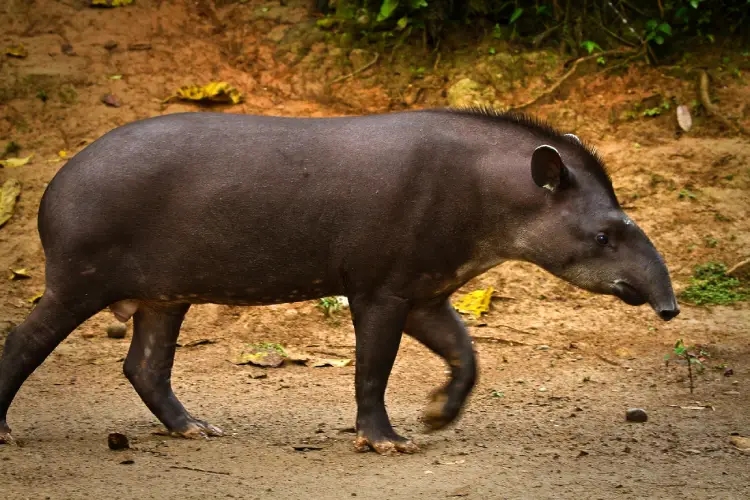
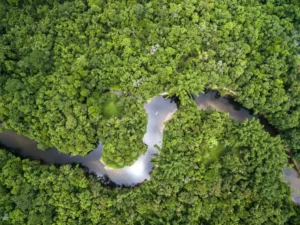
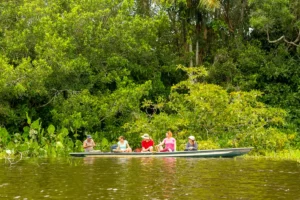
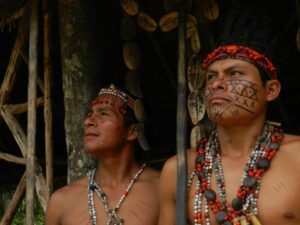
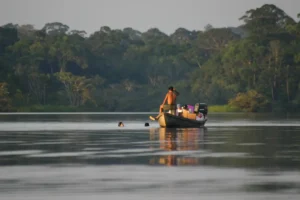
The Ecuadorian Amazon is renowned as one of the most biodiverse regions on the planet. However, beyond its incredible natural beauty, it is the indigenous communities that truly bring this region to life. These communities have developed unique traditions and practices that are deeply intertwined with their surroundings, creating a rich cultural tapestry that is both fascinating and enlightening.
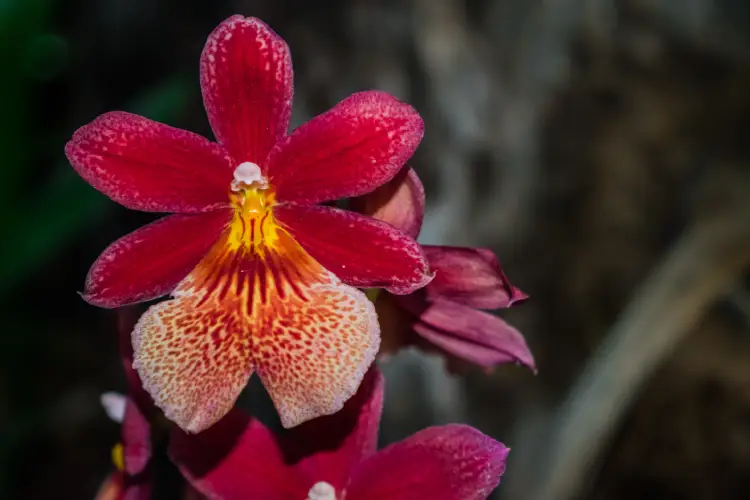
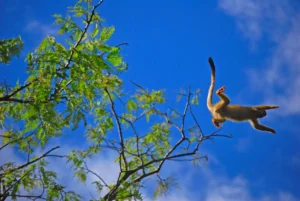
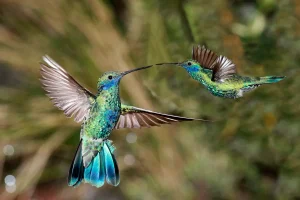
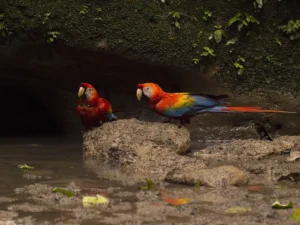
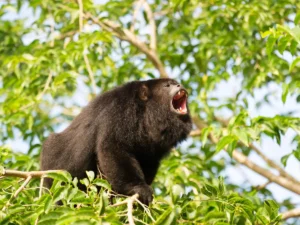
Biodiversity Hotspot: The region is home to a remarkable array of flora and fauna.
Comunidades Indígenas: Unique traditions and practices deeply connected to the environment.
The Importance of Preserving Ancestral Culture
Preserving the traditions and ancestral culture of the Amazonian people is crucial for several reasons. It helps maintain the identity and continuity of these communities, ensuring their unique way of life is not lost to modernization. Additionally, indigenous knowledge of sustainable living and environmental stewardship offers invaluable insights that can benefit the entire world.
Cultural Identity: Maintaining the identity and continuity of Amazonian communities.
Sustainable Practices: Offering insights into sustainable living and environmental stewardship.
Key Traditions in the Ecuadorian Amazon
Shamanism and Healing Rituals
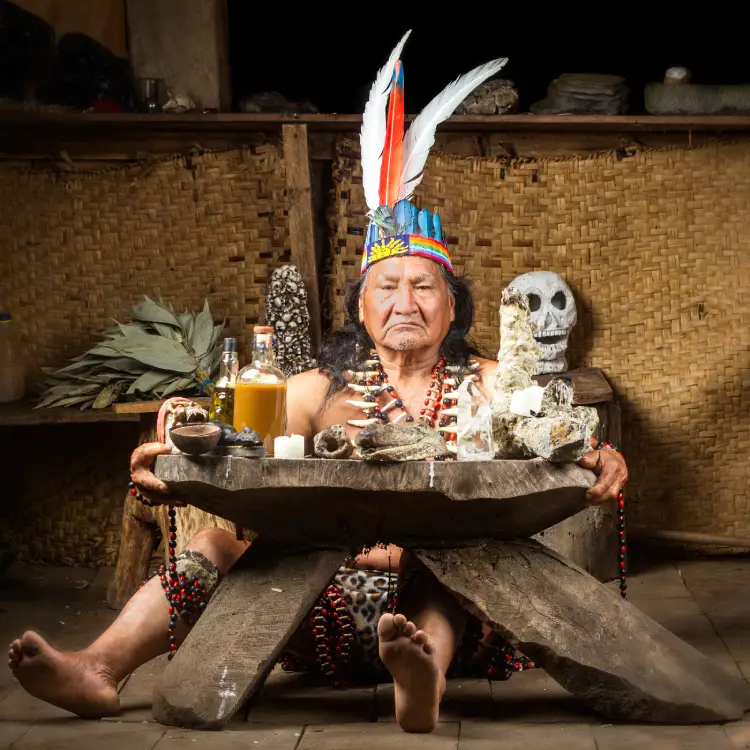
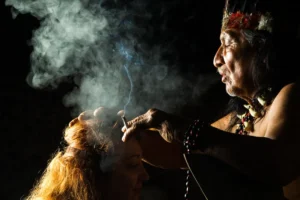
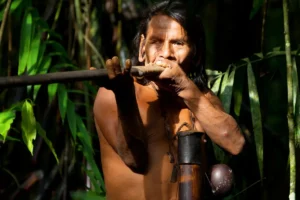
One of the most profound aspects of Amazonian culture is the practice of shamanism. Shamans are spiritual leaders and healers who play a vital role in their communities. They act as mediators between the physical and spiritual worlds, performing rituals that ensure the well-being of their people.
Traditional Music and Dance
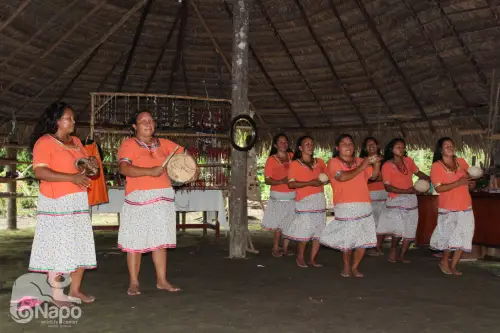
Music and dance are integral to Amazonian traditions, serving as a means of celebration, storytelling, and cultural preservation. Indigenous instruments such as drums, flutes, and maracas create rhythmic music that accompanies dances and songs.
Cultural Significance: Celebrates important events and conveys cultural stories.
Instruments: Drums, flutes, maracas, and other indigenous instruments.
Community Celebrations
Types of Celebrations: Harvests, weddings, and spiritual occasions.
Storytelling Through Song: Songs narrate stories of ancestors, nature, and daily life.
Ancestral Practices and Knowledge
Sustainable Living
Sustainable living is at the core of Amazonian culture. Indigenous communities practice environmental stewardship, ensuring their methods do not harm the environment but rather support its health and longevity.
Environmental Stewardship: Practices that ensure environmental health and longevity.
Swidden Agriculture: A traditional farming technique involving crop rotation and using cleared forest patches to maintain soil fertility and biodiversity.
Herbal Medicine
Traditional Remedies: Extensive knowledge of local plants used for medicinal purposes.
Passing Down Knowledge: Herbal knowledge passed down through generations.
Craftsmanship and Art
Craftsmanship in the Amazon is a reflection of the resourcefulness and creativity of its people. Using materials found in the rainforest, they create beautiful and functional items that serve both practical and ceremonial purposes.
Cultural Expression: Resourcefulness and creativity using rainforest materials.
Weaving and Pottery: Baskets, mats, textiles, and pottery adorned with intricate designs.
Daily Use: Practical items for daily life, such as baskets and textiles.
Ceremonial Artifacts: Crafts made for rituals and ceremonies, highlighting their cultural significance.
Challenges and Preservation Efforts
Threats to Traditions and Ancestral Culture
Despite their resilience, the traditions and ancestral culture of the Ecuadorian Amazon face significant threats. Deforestation, oil extraction, and the influence of modernization pose serious challenges to the preservation of these cultures.
External Influences: Deforestation, oil extraction, and modernization.
Cultural Erosion: Risk of losing traditional knowledge due to modern influences.
Preservation Initiatives
Thankfully, numerous efforts are underway to preserve and revitalize Amazonian traditions. Cultural education programs aim to educate both indigenous and non-indigenous people about the importance of these traditions, fostering appreciation and respect.
Cultural Education: Programs highlighting the importance of Amazonian traditions.
Sustainable Tourism: Responsible tourism initiatives that promote cultural preservation and economic benefits.
A Journey into the Heart of the Ecuadorian Amazon
The Ecuadorian Amazon is a region of unparalleled cultural richness, where traditions and ancestral practices offer invaluable insights into sustainable living and environmental stewardship. By understanding and preserving this heritage, we contribute to a legacy that benefits both present and future generations. Embark on this journey into the heart of the Amazon, and discover the cultural wealth waiting to be respected and celebrated.
Exploring the traditions and ancestral culture of the Ecuadorian Amazon offers a profound understanding of the deep connections between people and their environment. By supporting the preservation of these traditions, we help maintain cultural diversity and environmental sustainability. The Ecuadorian Amazon is not just a natural wonder but a living testament to the rich history and enduring legacy of its people.
Therefore, Responsible travel as a tour operator considers the following guidelines in order to generate a satisfactory experience on your trip through Ecuador. Nevertheless, please note that any requirement can change without prior notice, and it is the responsibility of each traveler to make sure to comply with the current requirements when entering the country.
Visa
The duration to visit the country is 90 days a year; if you are going to extend your visit, it is recommended to pay an extension.
List of countries that need a visa to enter Ecuador:
Afghanistan
Guinea Bissau
Republic of the Congo
Albania
Haiti
Democratic People’s Republic of Korea
Angola
Kenya
Senegal
Bangladesh
Kyrgyzstan
Sierra Leone
Cameroon
India
Syria
Chad
Iraq
Sri Lanka
Ivory Coast
Iran
Somalia
Cuba
Libya
Sudan
Egypt
Mali
South Sudan
Eritrea
Mauritania
Tajikistan
Ethiopia
Myanmar
Uzbekistan
Philippines
Nigeria
Venezuela
Gambia
Pakistan
Vietnam
Ghana
Nepal
Yemen
Guinea
Democratic Republic of the Congo
Applying for a visa
In case of applying for a visa and being able to enter the country. Please contact the following emails: consejeria@cancilleria.gob.ec and citasvisas@cancilleriga.gob.ec.
For more information, there are links to Ecuadorian embassies as well as foreign embassies within the country.
In the case of entering the country by land or river
The Government, through its Ministries, provides that foreign citizens who enter the country through the land or river borders of Colombia and Peru may present their apostilled certificate indicating that they do not have a criminal record; this certificate must have been issued in their country of origin or residence in the last five years. or in turn request the review of the corresponding information through the Ecuadorian Migration System (SIMIEC).
The following individuals are exempt from filing
Holders of a valid Ecuadorean visa
Holders of diplomatic passports
Children and adolescents under 18
Victims of human trafficking.
COVID-19 rules
There is not a COVID certificate needed at the moment, but if you experience symptoms prior to your trip, you can complete a health application and bring it to the airport.
Conditions for passport validity
The passport must be valid for at least half a year. Access is restricted without a valid or reported lost document
Galapagos Islands
People could visit until 60 days. For enter, you need to present:
A hotel reservation
Your booking flight (roundtrip) to the Ecuadorean mainland
When you leave the country, you must declare the foreign exchange if you exceed the aggregate of $1,380.
Personal ID
As a regular law, you must carry your identification. Always keep a copy of your passport, with the pages containing your photo and Ecuadorian entrance stamp.
Requisitos de salida
Departure of Foreign Citizens
Valid passport
Ticket Flight
Departure of national and foreign minors
Ecuadorian children and adolescents and resident foreigners may leave the national territory under the following conditions:
Accompanied by their parents, legal guardians, or whoever exercises parental authority, or with one of their parents with prior notarial or judicial authorization from those who are not traveling with them.
Alone or with third parties with the prior authorization of the parents, guardians, or those who exercise parental authority.
lenguage
The native language is Spanish. Some indigenous people speak Spanish, Quechua, and English. The indigenous communities living in the jungle speak their languages and dialects.
At Responsible Travel, we are trained to provide the best experience to the tourist. For this reason, our team of guides is bilingual, as are most of our suppliers (hotels and restaurants).
Menu
Necesitas ayuda?
1
Hola, gracias por visitar nuestro sitio web, con gusto te ayudaremos con información sobre los Lodges en Ecuador Cuéntanos tus inquietudes...